Start With the Immediate Risks
The cost of emergency water removal depends partly on how much water is reachable and how widely it has spread. But safety comes first. During a seasonal storm or thaw, water may collect indoors before you can see what lies beneath it. In Centennial, the city’s floodplain map can help with property-specific planning; it cannot tell you whether a wet floor is safe to cross right now. If water has entered the property, keep people and pets away until someone qualified can assess the area.
Treat the water as unsafe to enter if outlets, appliances, or wiring are wet, or if you cannot tell whether electrical equipment is affected. You may hear a pump or appliance running, but that does not establish that the water around it is safe. A wet area near Swedish Medical Center still needs an assessment based on that property’s conditions. Keep back and ask the pros we connect you with how they will check the area before removal begins.
Watch for Hidden Floor Hazards
A floor can hide more than water. You may see a rug floating at one edge, feel a soft spot underfoot nearby, or find that debris has covered a step or floor opening. Any of those clues is reason to stay out; shallow-looking water can also make a slick surface hard to judge. In Centennial, do not test a room by stepping in to check its depth. Keep others clear and tell the professional what you can see from a dry, safe place.
Seasonal weather can change the access problem: water that entered during a storm may leave slick surfaces, and a later freeze can make a damp entrance harder to cross. A property near Highlands Ranch Library, like any other address, needs its own safety check; a nearby landmark does not tell you what is underfoot indoors. Block the route from a dry area, warn anyone entering, and keep pets behind a closed door until the area has been assessed.
Keep People and Pets Clear
Keep children and pets away from the affected rooms, and do not step across the water to retrieve belongings. Close a door if it safely separates the area; otherwise, use a clear warning from outside the wet space. If other people need to enter the property, tell them which area is affected before they arrive. In Centennial, make the boundary easy to understand so nobody mistakes a quiet room or a thin layer of water for a safe route.
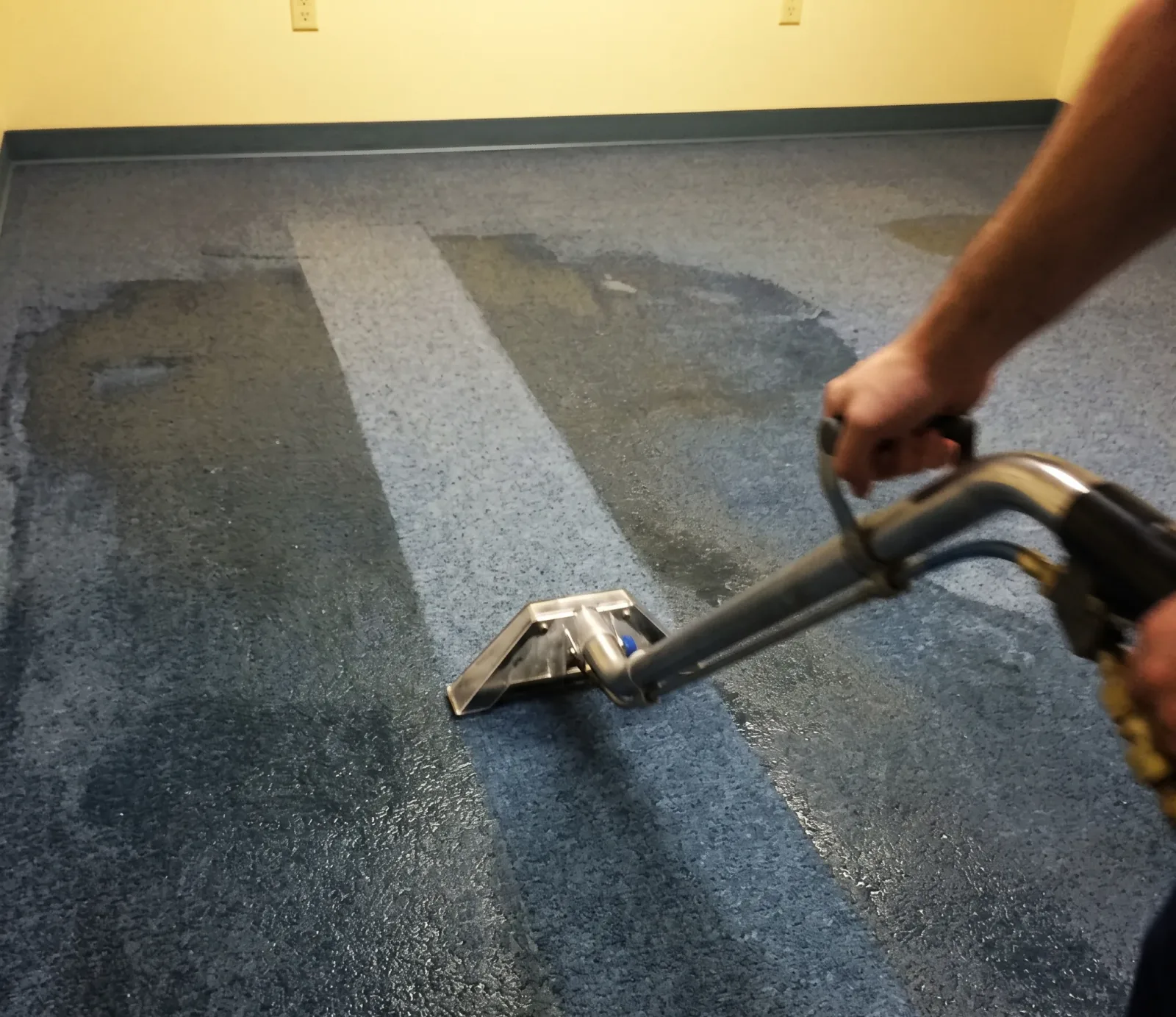
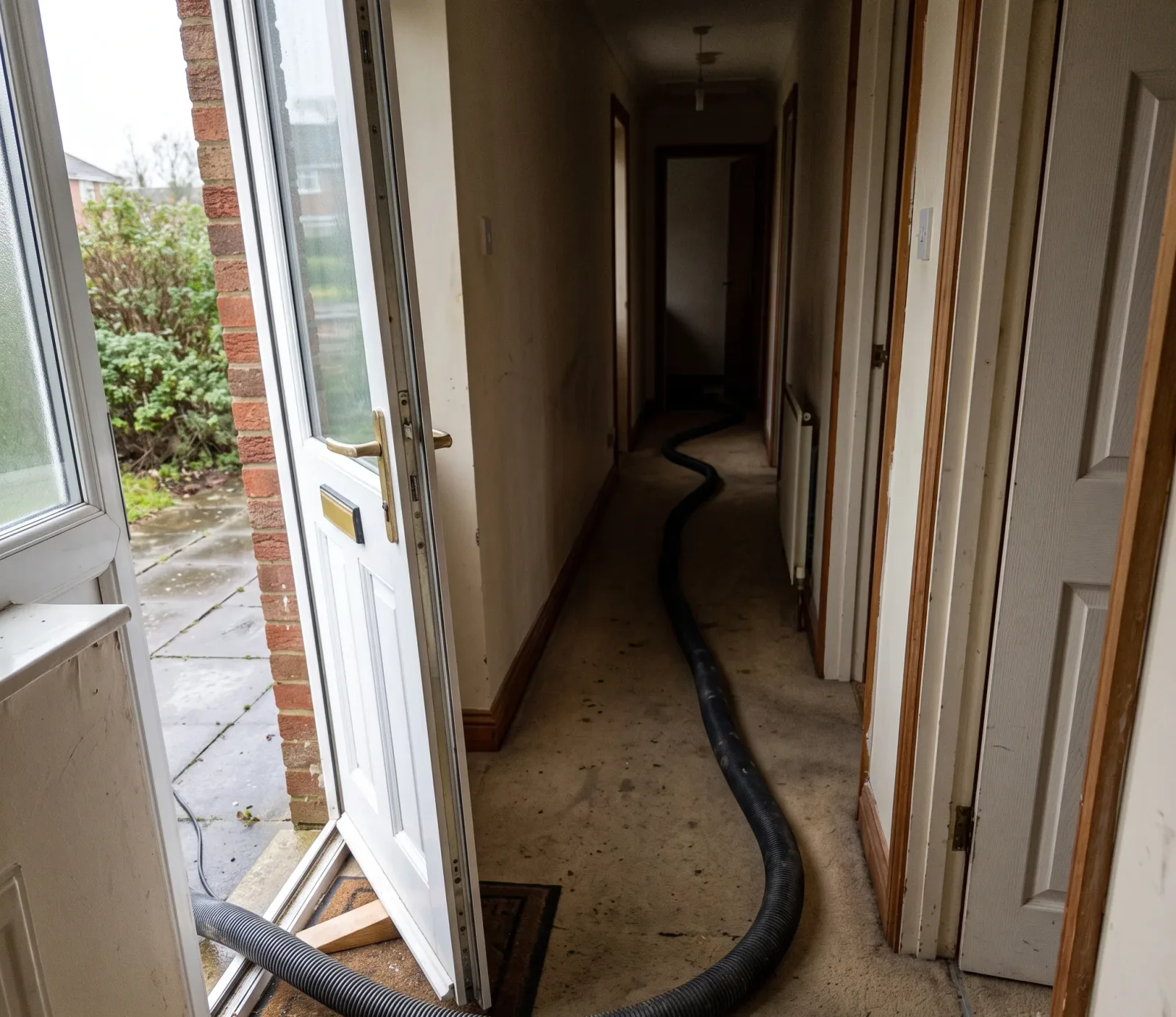
When it is safe for qualified help to work, extraction can remove pooled water with pumps or wet vacuums. That work does not establish that floors or other materials are dry, so remaining moisture may need assessment and drying afterward. Do not walk back in just because the visible water is gone. Ask what areas were reached and whether any still need checking. Water removal is its own step; repairing the source and other restoration work are separate.
Ask About Safe Assessment
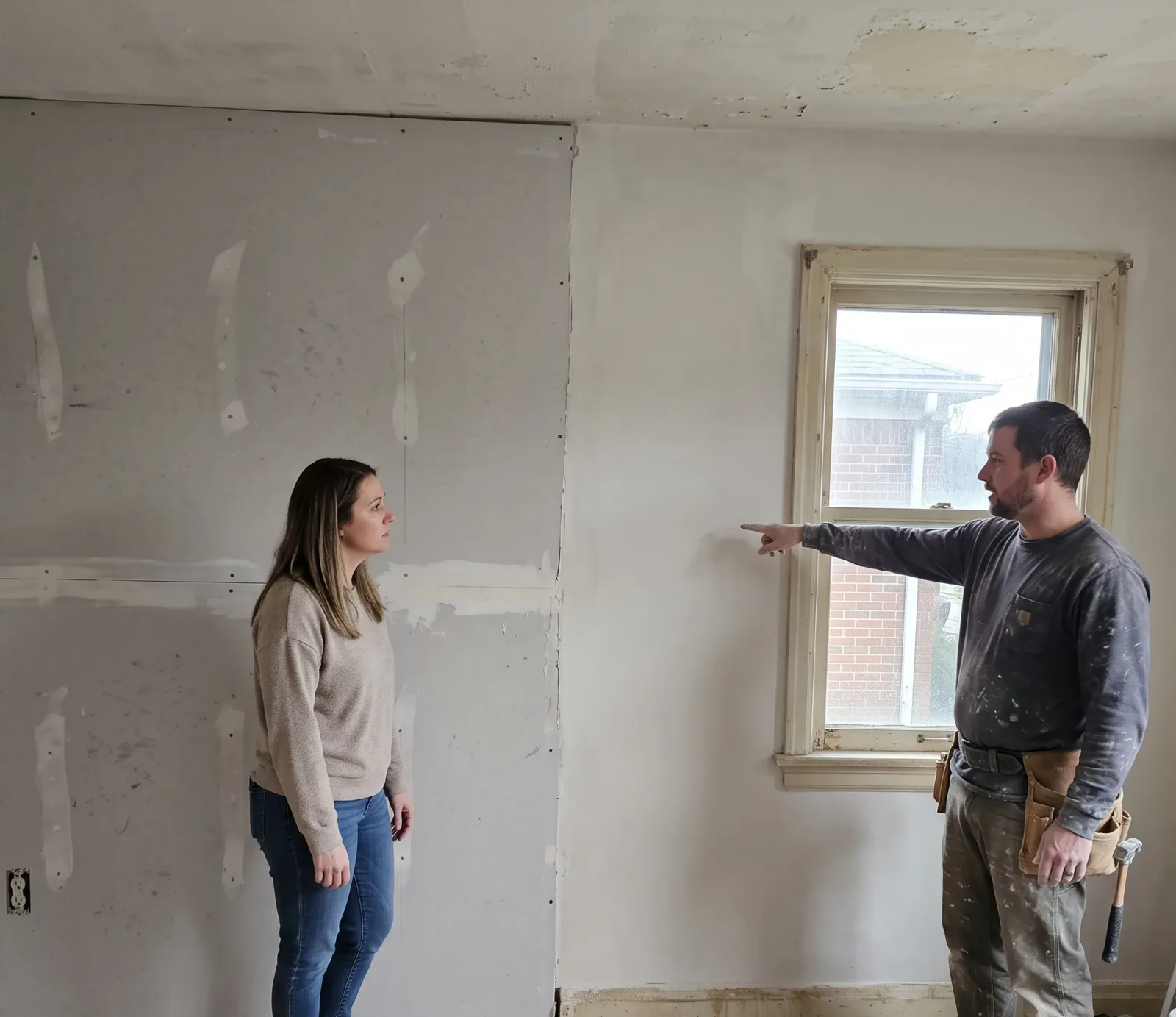
The pros we connect you with can explain how they plan to assess access and remove water without asking you to cross an unsafe area. Describe what you noticed from a dry spot: wet outlets or appliances, a slick or soft floor, debris, or water that appeared after a seasonal storm or thaw. An address in the Englewood mailing area, as in Centennial, still needs a property-specific assessment. Share any uncertainty before work starts and ask how the affected area will be kept clear.
Stay out until a qualified professional says the route is safe to assess. You can ask what they will check before entering, how they will keep people and pets away, and what happens after visible water is removed. If the water’s source or the condition of the floor is unclear, say so rather than trying to find out by walking through it. What area can be assessed safely, and what signs would mean you should continue keeping everyone out?
Dealing with standing water at your home?
Cost depends on water depth, spread, and room access, so get an estimate before work starts. Centennial basements and ground-floor businesses need standing water removed; pumps or wet vacuums do that work. For an address in the Englewood or Littleton mailing area, verify jurisdiction and service coverage directly. Call (303) 647-3932 to ask about availability, timing, and visit charges. Clarify whether the estimate covers extraction only: remaining moisture may need drying, while source repair, remediation, or rebuilding are separate scopes. Water can remain beneath flooring after standing water is removed.