Water Sources
Emergency Water Extraction for Centennial Homes
Before comparing estimates, pin down which rooms and access points the removal covers. A wet basement at a Centennial home may call for a pump, while a smaller pool may be reachable with a wet vacuum. Ask the pros we connect you with to describe the planned removal area and method in writing; that gives you a clearer basis for comparing scopes than a broad promise to handle water damage. If outlets or appliances are wet, stay clear and get qualified safety guidance before entering.
INSURANCE NOTES
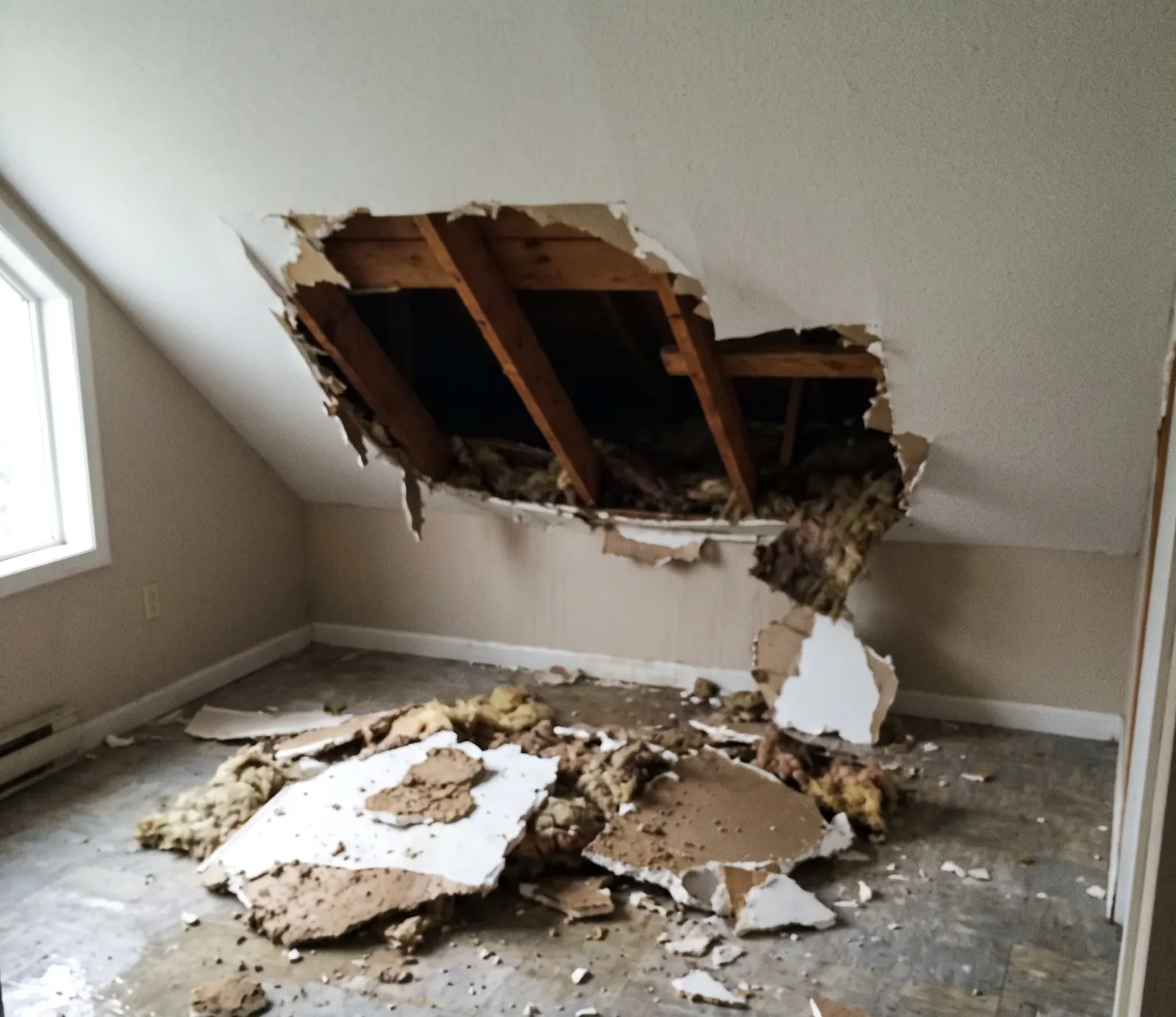
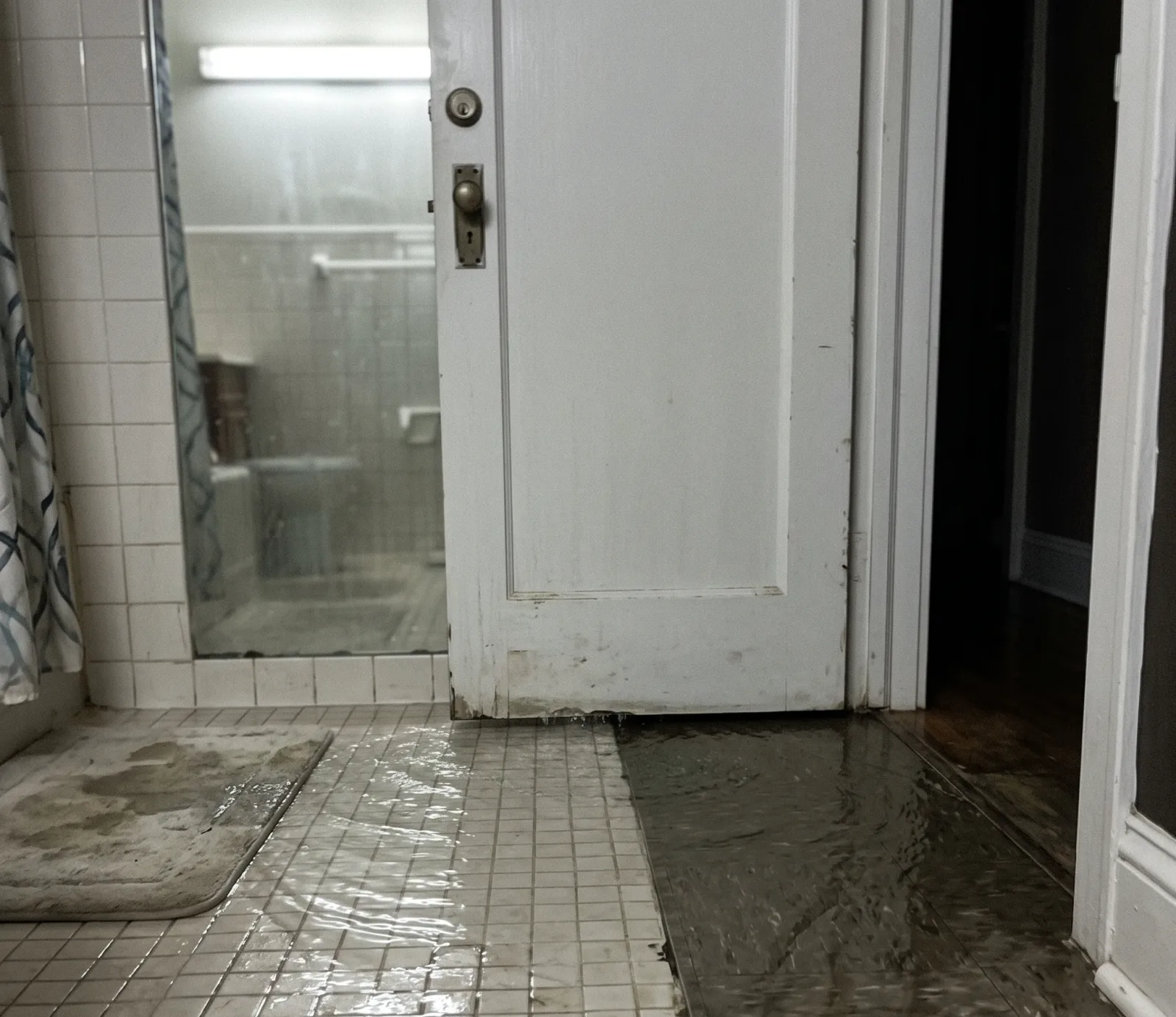
Emergency Water Extraction in Centennial is the urgent removal of pooled water from the areas it has reached. It is the narrower first step beside broader water-damage restoration: an estimate should separate extraction from source repair, sewage cleanup, or reconstruction. What you see—the water’s depth, how far it has spread, and whether a pump or wet vacuum can reach it—shapes the method and cost. Park Meadows Retail Resort, Highlands Ranch Mansion, and Anschutz Medical Campus can help orient you; the affected area sets the actual scope.
Cost: $700–$1,400. In Centennial, the estimate should show what moves it: how much standing water can be reached, which areas are affected, and whether pumps or wet vacuums suit the removal. Water can collect beneath built-in cabinets, where it may not be visible from the open floor. Wet drywall can remain damp after standing water is removed. Ask whether source repair or contaminated-water cleanup is separate.
COMMON QUESTIONS
Water Removal FAQs
What affects the extraction approach and the cost?
Not by itself. A clear floor only tells you pooled water is gone; it does not show whether moisture remains inside flooring, walls, or other materials. In Centennial, ask whether the pros we connect you with will check those materials and explain any separate drying work. You can ask the licensed pros we connect you with whether the review also identifies where water entered the property.
How does the water and affected material change the work scope?
No. A clear floor after water removal does not show whether moisture remains in the materials beneath it. In Centennial, moisture checks can help identify damp areas that may need drying equipment. Ask the pros we connect you with which affected materials were assessed and whether the written scope notes areas that still need attention. That gives you a clearer picture of what the water removal addressed and what may remain.
Does extraction remove moisture from floors and walls too?
No. An active leak can refill the area, so its source may need attention during the response. Drying equipment may be set up afterward to address that remaining moisture. For a property in Centennial or near Swedish Medical Center, ask which work covers water removal and which covers drying, since they are distinct parts of the overall response.
Why might a moisture assessment be useful after water removal?
A room can look dry while moisture remains in materials you cannot judge by sight alone. An assessment can help identify damp areas and show where further drying may be needed; it does not mean the property has already been dried or restored. This can help clarify the remaining scope at a Centennial home or a business near Anschutz Medical Campus, and make the next discussion more specific.
Get Water Help Started
Plan for Standing Water Removal
Homes and businesses in Centennial can both have pooled water after an intrusion, though the affected rooms and materials shape the work. Tell the pros we connect you with what is wet, how far the water appears to have spread, and what you know about its source. Ask about availability, timing, and any visit charge, then request a written extraction scope. Removal clears standing water; moisture checks and drying equipment may be needed afterward and may be separate from the removal estimate.
Call (303) 647-3932