What Shapes the Cost of Water Removal
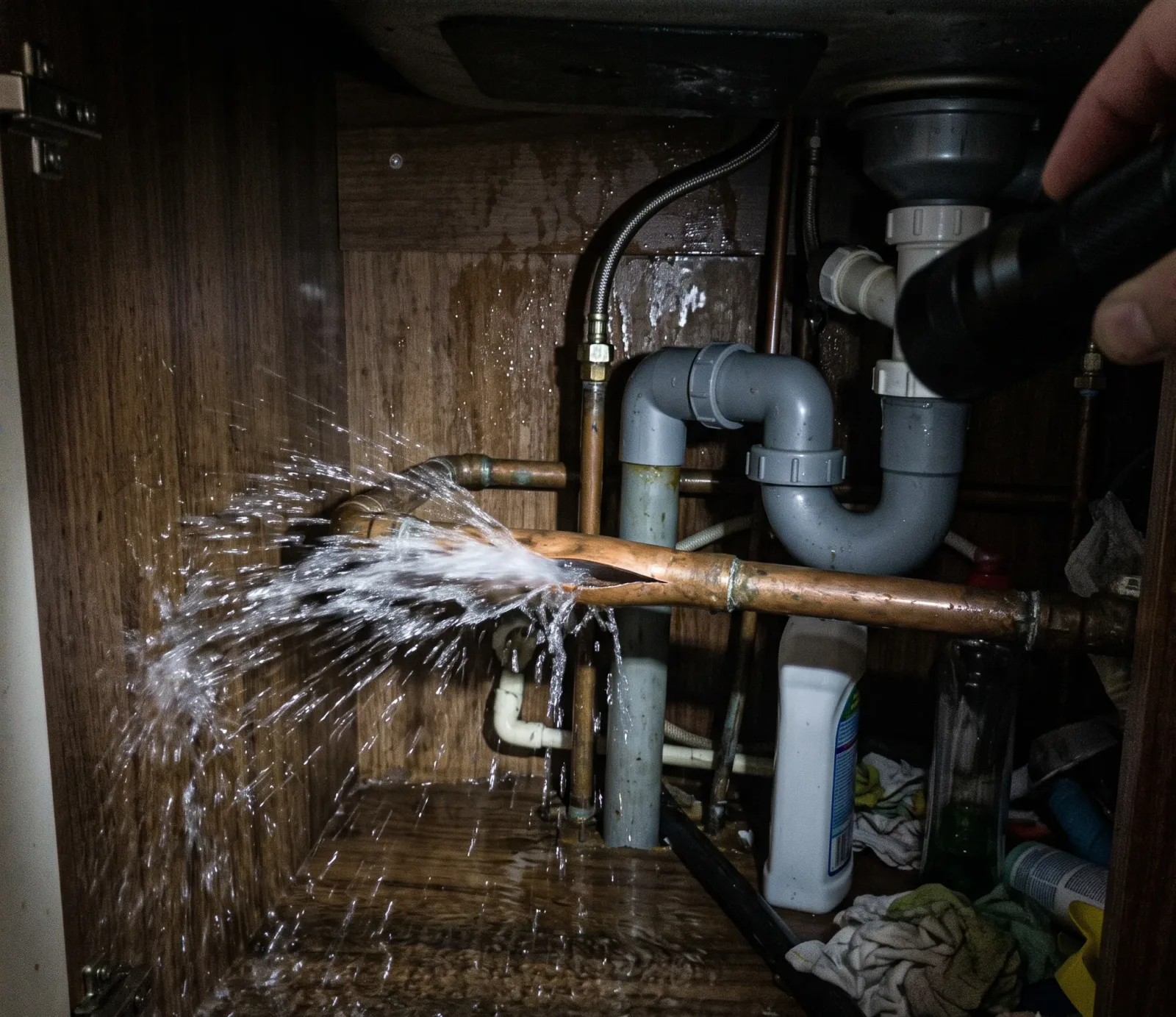
In Centennial, cold weather can freeze water in an exposed or poorly heated part of a home; a pipe may release water once it splits. After the supply is shut off, water can spread across connected flooring before it is noticed.
A burst pipe can leave water on floors in any season, while colder weather adds a reason to check for a damaged line. If you use Park Meadows Retail Resort, Fitzsimons Innovation Community, or South Platte Historical Park as a map reference, give the full Centennial address too; a landmark alone does not settle jurisdiction.
Service inquiries come from across Centennial and Arapahoe, including places where city limits and postal boundaries do not neatly align. Ask the pros we connect you with to check the exact property address, so you know whether that location is within their available service area before arranging a visit.
Moisture Left Behind
- Cost drivers
- Extraction begins with accessible pooled water; noting its visible edge helps show which adjoining floor areas may need assessment.
- Water reach
- Water can travel under a rug or toward a doorway, so the puddle you see may not show the full affected area.
- Safe access
- Moisture readings in flooring and trim can be compared with readings in less affected areas to guide follow-up.
- Removal method
- Pumps or wet vacuums remove pooled water; they do not fix the broken pipe that released it.
- Moisture check
- Photos and a written work scope can help you share details about water removal and remaining concerns with your insurer.
- Moisture Check
- Centennial’s seasonal shifts affect plumbing differently: heat expands pipes, while cold can stiffen exposed sections. Dust and grit tracked indoors can blur the edge of a wet floor; after the leak stops, note where the sheen ends and where the floor feels damp.
- WORK SCOPE
- an estimated $250–$1,300
Standing Water and Lingering Moisture
Plumbing repair is often confused with water extraction because both follow a burst pipe. Repair stops the leak at its source; extraction removes water that has already pooled on accessible surfaces. A plumbing repair addresses the broken pipe or its connection; extraction addresses water already on affected surfaces. Ask for the written scope to say which work is included. A Centennial water removal visit does not by itself confirm that the pipe has been repaired.
Moisture Left After Water Removal
The provider first confirms the leak has stopped, checks access and electrical concerns, and notes where water is visible. That initial map helps distinguish pooled water from surfaces that may hold moisture. In Centennial, the pipe location, water depth, affected rooms, and available access shape the extraction plan.
The licensed pros we connect you with can check whether water has entered wall cavities or other hidden spaces. Afterward, the provider can compare moisture readings in nearby flooring, trim, and other materials to identify areas that may need drying equipment. The work record can describe the water removed and the follow-up concerns for your Centennial property.
Keep a note of which rooms and materials are affected to describe the work needed. A contained pool may be handled in one visit; water across rooms or damp materials needing assessment and drying can call for a staged plan. Ask what the estimate includes and what comes after extraction.
WATER REMOVAL FIRST, WITH DRYING NEEDS CONSIDERED NEXT
| Water Removed |
Frequent Initial Step |
|---|
| Pooled water awaiting prompt removal | Moisture assessment |
| Water reappears in a cleared area | standing water removal |
| Pooled water reaching separate parts of the property | Pooled water cleared; drying planned |
Move Dry Belongings Away
Once the source is shut off, keep children and pets out of wet areas and take photos from a dry, safe spot. You can note the pipe location, visible water edge, and rooms that appear affected. Don’t enter standing water if electricity may be involved, and don’t operate wet appliances. Give the pros we connect you with the full Centennial address and your observations.
What Shapes Water Removal Costs
Standing water can create an electrical hazard if it reaches outlets, appliances, or wiring. Do not step into the water to test anything or switch equipment on or off. Water may also conceal loose flooring or debris, making the area harder to cross safely. In Centennial, describe the hazard when arranging help so the provider can plan a safe assessment.
Learn How Extraction Work Is Scoped
The amount of pooled water, reach of the affected space, access conditions, and needed equipment shape the cost; request a written estimate from the pros we connect you with.A musty odor or damp feeling after visible water is gone can signal moisture remains in flooring or walls, even when the puddle itself no longer shows how far it traveled. Any guide here describes extraction; drying, source repair, sewage cleanup, mold work, and rebuilding are separate. Ask for written details to confirm visit charges and the exact scope.Explore the factors that shape the total in our pricing guide.