Walking Through Standing Water
When is walking through water-damaged rooms unsafe? Learn the warning signs and how to keep people and pets away while a qualified professional assesses the area.
Read article
Water removal covers collecting standing water, while drying materials and repairing damage are separate parts of recovery that may need their own scope. In Centennial, start with what you can safely see: pooled water, the rooms it reaches, and whether the source is still active. The pros we connect you with can discuss those areas and provide a written estimate for water removal. Extraction addresses standing water; stopping a leak or other source is separate work.
Guidance on removing pooled water, checking damp materials, and next steps for Centennial homeowners.
When is walking through water-damaged rooms unsafe? Learn the warning signs and how to keep people and pets away while a qualified professional assesses the area.
Read article
How long does emergency water extraction take in Centennial? Learn what affects the estimate, how scope shapes the work, and what to ask local pros.
Read article
How soon can extraction help reach your Centennial address? Learn what affects provider availability, what details to share, and how to ask for a current estimate.
Read articleA few inches of pooled water in one accessible area calls for a different removal scope than water spread across several rooms. In Centennial, point out where you can see water and which parts of the home or business are affected; those details help the pros we connect you with explain the extraction work in writing. A business near the Aurora Fox Arts Center or a home in another part of the metro still needs an address and a clear description. Describe any wet flooring, walls, or furnishings along with the visible water.
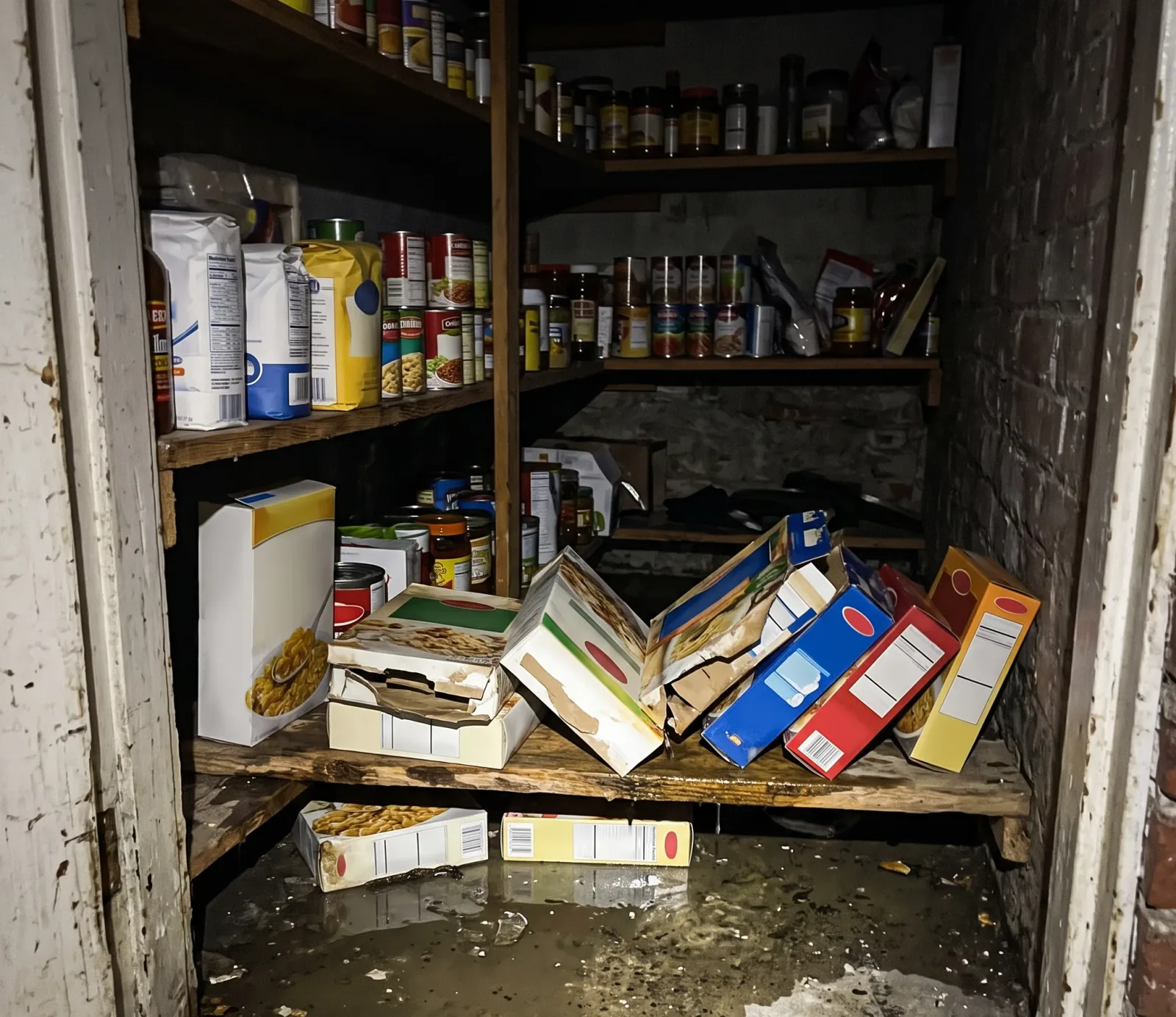
Compare a household wet vac with professional basement water removal
View Basement Water Extraction help in Centennial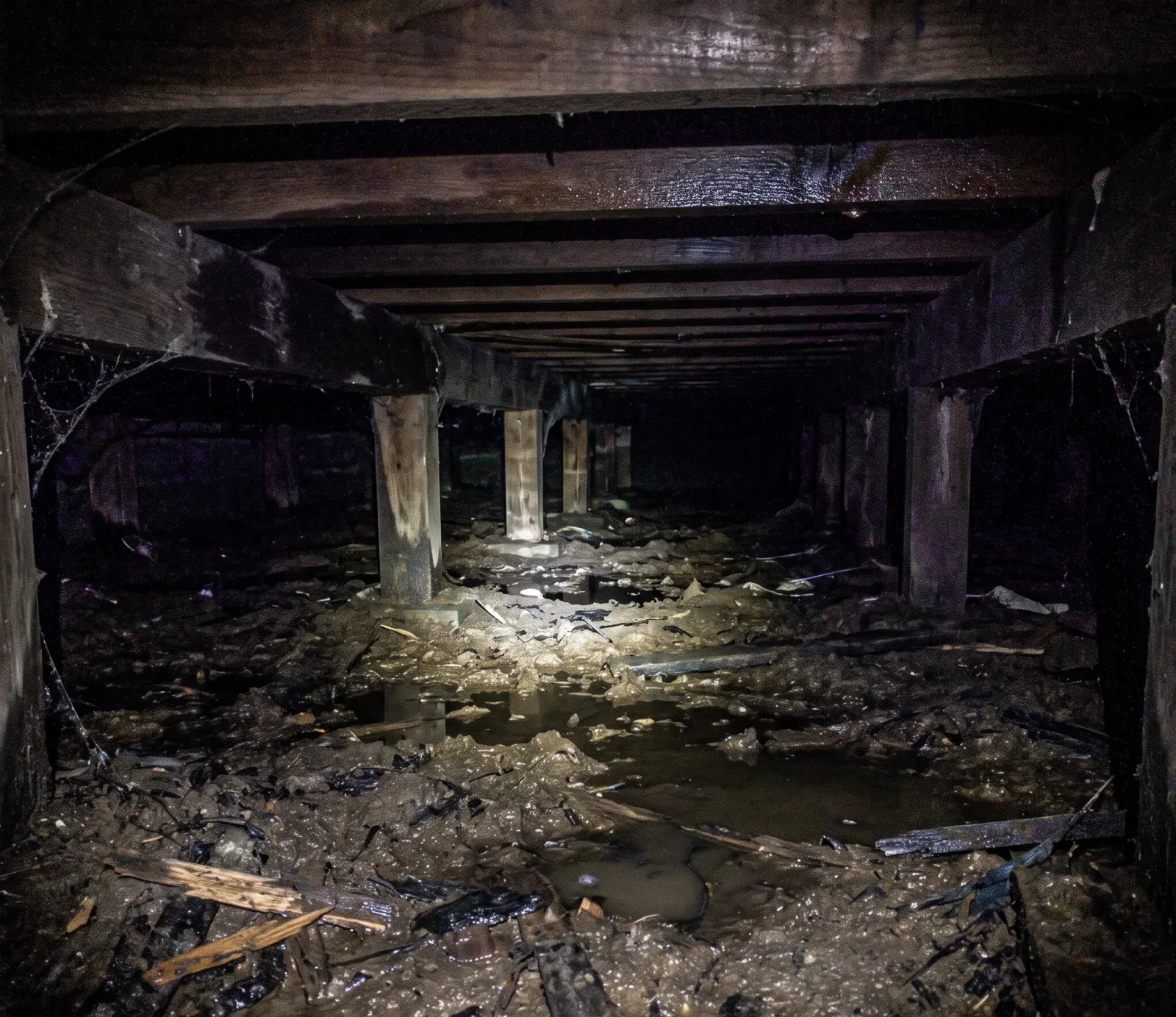
Pooled crawl-space water removed with access and safety in view
View Crawl Space Water Extraction help in Centennial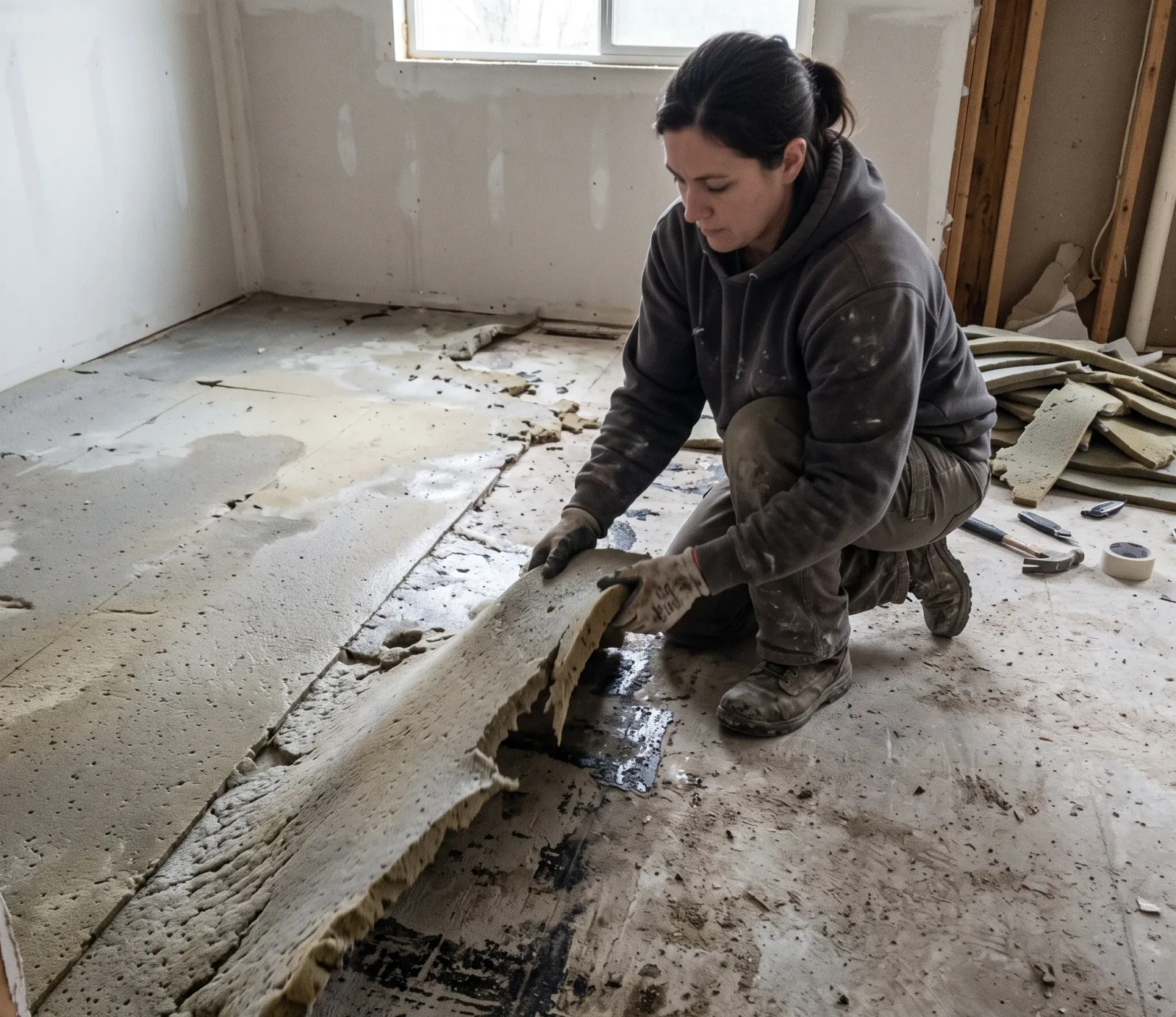
Carpet access, water spread, and pad condition shape extraction scope
View Carpet and Pad Water Extraction help in Centennial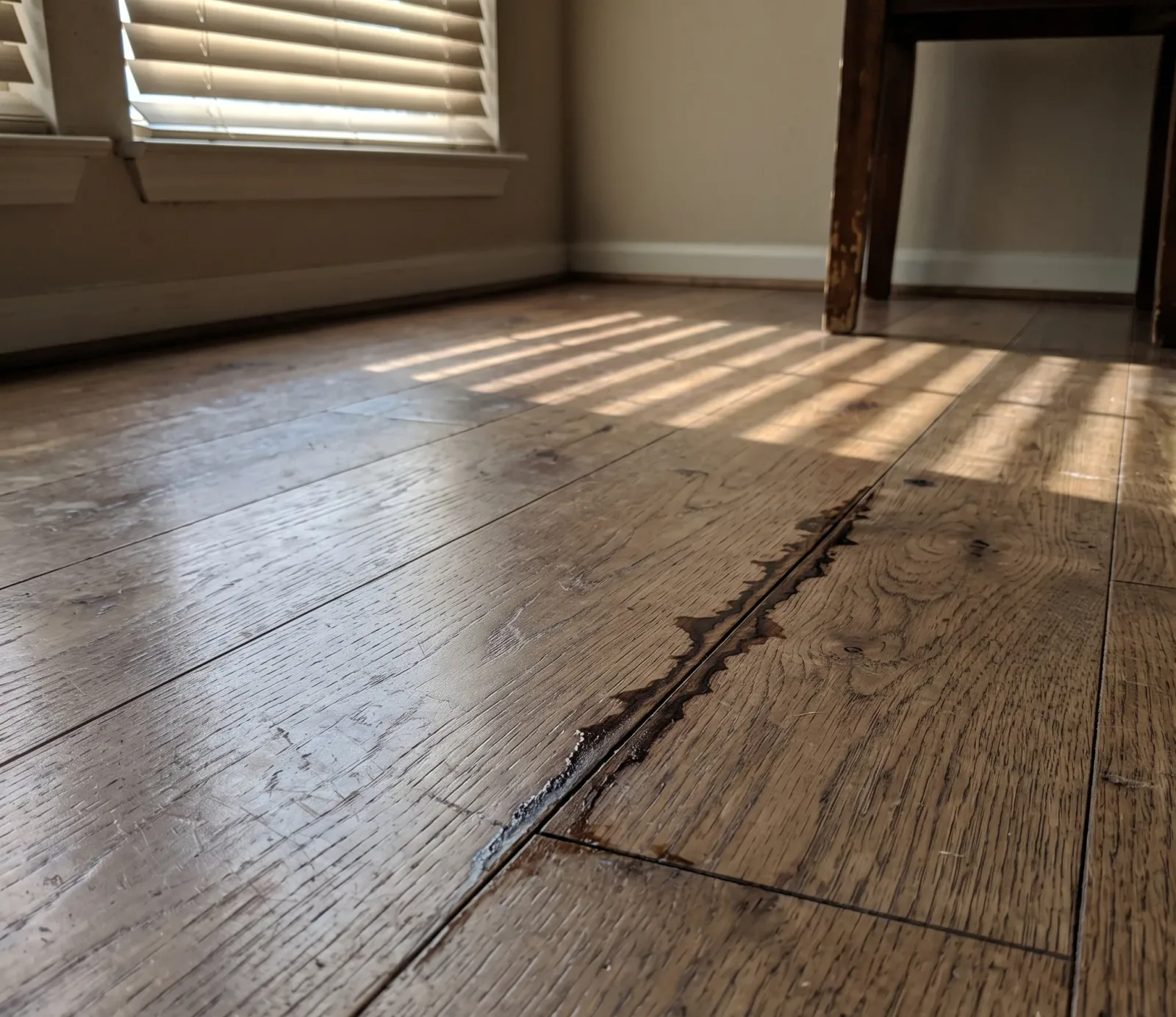
Surface water removal shaped by your hardwood and the depth of the water
View Hardwood Floor Water Extraction help in CentennialA pipe break or appliance overflow can leave floors wet before you know which materials are damp. If you see pooling near Park Meadows Retail Resort, Basement Water Extraction, Crawl Space Water Extraction, Carpet and Pad Water Extraction is the first step; moisture checks and drying may still be needed after extraction.
Ask what the estimate includes, from standing-water removal to the affected areas. In Centennial, ask how the pros we connect you with will assess remaining moisture, what drying may be needed, and whether you can keep a written scope and work records.
Coverage spans from Englewood mailing area and Littleton mailing area to Lone Tree and Parker and communities throughout Arapahoe. For a property in Centennial, CO, the street address helps distinguish its mailing area from city limits, which can overlap across the region.
In Centennial, ask for an estimate that names the rooms or business areas included in the extraction work; a clear boundary makes the proposal easier to compare. Tell the pros we connect you with whether you need a home or business addressed and give the property's street address. If you describe a location through the Englewood mailing area or use Swedish Medical Center as a reference point, include that address rather than relying on the label alone. Then ask which parts of the work cover standing water and which concerns need a separate proposal.
Englewood mailing ZIPs cross municipal boundaries, while varied finishes can change what a moisture assessment needs to examine.
Emergency Water Extraction in Englewood mailing areaLittleton mailing area ZIP coverage does not fully follow city limits, so share the property’s exact address when arranging service.
Emergency Water Extraction in Littleton mailing areaLone Tree service covers ZIP 80124, with Schweiger Ranch and Happy Canyon Creek as local reference points.
Emergency Water Extraction in Lone TreeIn Parker, a clear room-by-room description and practical entry details help frame an urgent home water removal request.
Emergency Water Extraction in ParkerPrice starts with what the pros we connect you with can safely reach. When you call about a Centennial property, say where water is visible, what may have caused it, and whether anyone has flagged a safety concern. A slow leak can leave damp materials even when no puddle is visible. On site, they assess accessible standing water and affected areas, then explain the extraction scope and its limits. After removal, moisture assessment and drying equipment can be discussed as separate work. Ask for the scope and estimate in writing; keep photos for your insurer. Source repairs need a separate scope.
Call (303) 647-3932 or use the online form. Tell them where water has collected, which areas are affected, and whether it is still coming in. Ask the pros we connect you with about current availability, timing, and any charge for a visit.
Ask how the affected area and lingering dampness will be checked, whether the inspection has a charge, and how the provider will define removal work before recommending it.
Before pumping starts, ask what will be done about unsafe conditions and have the provider spell out those precautions in the written work plan.
Ask how damp materials and equipment locations will be recorded. Have the pros we connect you with clarify the written work plan and any warranty terms.
Water can seep beneath flooring or into nearby wall materials. Furniture legs and stored items may also need attention after water is removed. Moisture checks and drying equipment may be discussed as separate work after removal. Keep photos and work documents to share with your insurer; they do not guarantee coverage. Repairs to the water source, remediation, and rebuilding need their own scopes.
If water is still entering, say whether you can safely shut off its source and keep people away from wet surfaces while you call.
Find out what the visit includes, then request the planned water removal and its charges in writing before the job starts.
Ask the provider to list pooled water removal and remaining-moisture concerns in the work plan, with leak repair shown as separate work.
Ask what moisture checks are planned and which visit records you will receive afterward.
Water can collect along baseboards as it spreads beyond the original puddle. In Centennial, a spreading puddle can reach flooring and stored belongings while you are still figuring out what happened.
The cost turns on the affected rooms and materials, and how much water remains pooled. In Centennial, stay out of water near outlets or equipment if electrical safety is uncertain; shut off power only if safe.
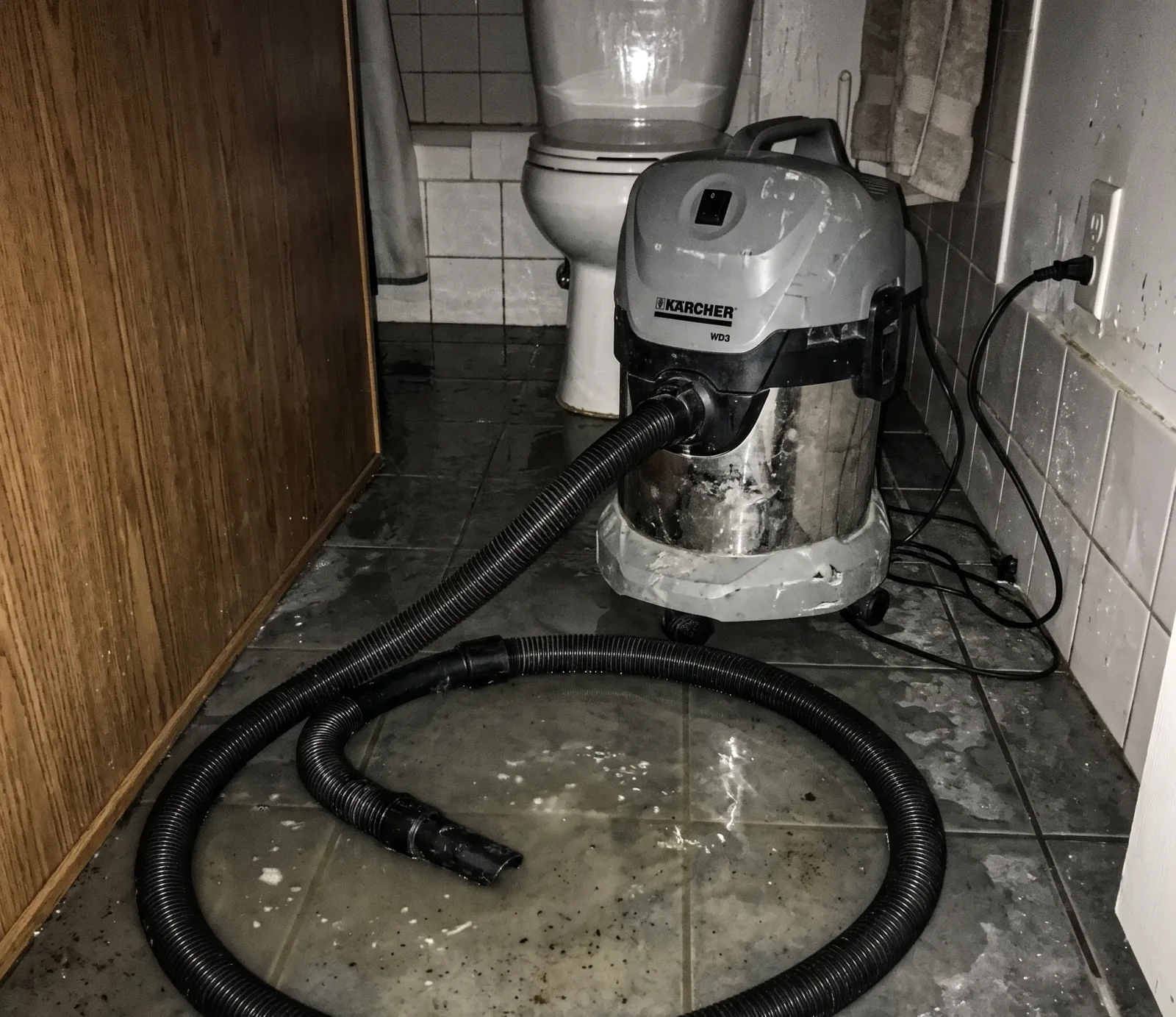
Before work begins, ask which rooms and materials are in the written extraction scope, what removal method is proposed, and whether a moisture check or drying equipment is a separate part of the proposal. A clear estimate should also address whether the water may be contaminated, since sewage or chemical cleanup calls for separate work. Ask who should handle an active leak, too: extraction does not stop its source. Keep the written scope and photos of affected areas for your records; they can help explain the work if you speak with an insurer.
In Centennial, a leak or intrusion may leave a pool in one room and a shallow track running across floors into another. That spread matters: water can slip under stored belongings and along edges before you see where it settles. Moisture can also reach wall cavities, where it may remain hidden after the floor looks dry. Extraction removes standing water, but damp flooring may still need assessment and separate drying.
A visible pool that reaches across a finished basement or disappears beneath shelving is hard to judge from the doorway. Depth and spread matter: a small, open area may be manageable with a suitable wet vacuum, while a deep pool or water hidden in several rooms can call for pump capacity and a safer work plan. In Centennial, take a photo from dry ground and note which rooms appear affected. That gives a provider useful detail without asking you to walk through the water to map it.
Basement Water Extraction →A flashlight may show a shallow sheen near the hatch that deepens farther beneath the house. That change matters: water can spread past the part you can see, and the equipment must reach the pooled area. Tell the pros we connect you with where the water starts and how far it appears to extend. In Centennial, a reference such as Roxborough State Park can help describe your general location, while the hatch and water details help plan the visit.
Crawl Space Water Extraction →A soft, heavy feel underfoot can mean water has passed through the carpet into its pad. The surface may seem less wet after blotting, while a step still compresses water below. In Centennial, avoid walking back and forth to test it; pressure can spread moisture into a wider area and track it into adjoining rooms. Tell the assessor where the carpet feels spongy and how far that sensation extends, even if the visible mark is smaller.
Carpet and Pad Water Extraction →A reflective film on the boards is the clearest sign that surface water remains, but the amount matters. A thin spill across one room calls for a different extraction setup than deeper pooling across connected rooms. Tell the pros we connect you with where water gathers and whether it is still flowing. In Centennial, a reference such as Swedish Medical Center may help orient a service request, while the affected floor area and access are what shape the estimate.
Hardwood Floor Water Extraction →Confirm emergency water extraction coverage for your exact address directly with the pros we connect you with.
Decide What to Do Next
Learn how pooled water, wet materials, moisture checks, drying equipment, and job records relate before reviewing the proposed removal work.
Use the home guide to review water safety, extraction work, and what to ask before removal starts at your residence.
Ask the provider to explain any terms in a moisture check, drying plan, or written work description in words you can follow.
Connect pooled water, damp materials, or moisture you can see with possible next steps.
Note where the water first appeared and whether it is still entering before discussing the estimate. Ask whether the pros we connect you with will explain their extraction process, assess the affected areas, and provide a written estimate. Check that the scope separates water removal from drying or repairs. If you have an Englewood mailing address near Swedish Medical Center, share the property’s street address so its location is clear.
Have the property’s street address, your contact details, and a plain account of where water is visible and when you noticed it. If you can identify a nearby fixture or appliance linked to the water, include that detail in your account. Photos can help describe the affected rooms. For a Centennial property, mention the floor or rooms involved and any belongings or materials already wet; those details help the pros we connect you with discuss the work and its cost.
Inspection and estimate fees depend on the provider, so ask before scheduling whether either visit costs anything and what that charge covers. In Centennial, the amount of standing water and the affected areas and materials shape the work being priced. Water in several areas may call for a broader assessment than water in one room. Ask whether the inspection and estimate are billed separately, and get the fee terms before you decide to proceed.
Take photos of visible water and affected belongings when it is safe to do so, and keep the estimate, written scope, invoices, and any moisture readings provided. Note what you observed and when, without guessing at the cause. These records can help you explain the removal work and remaining concerns to your insurer. They do not determine coverage. Save copies before cleanup changes what the affected rooms look like.
Keep children and pets out of the affected area while you wait for safety guidance. Water near electrical equipment can create a shock hazard even when you cannot see a problem. Follow local emergency guidance and contact qualified help if safety is uncertain. Tell the pros we connect you with about the concern before anyone enters the affected area. Wait until it has been assessed as safe.
Water extraction removes visible standing water, often with pumps or wet vacuums. It does not by itself dry the property or fix the source of the water. Include damp areas beyond the visible pool when describing which materials may need assessment. Repairs to a leak, remediation, and rebuilding also require separate scopes. Ask which of these tasks are included before you approve work at your Centennial property.
Read the estimate for named work areas, tasks, and exclusions rather than relying on a broad label such as “water removal.” Ask what the listed charge covers, whether equipment or moisture checks are included, and what would require a separate approval. Ask whether the estimate explains how any newly found wet areas or added tasks will be documented. This lets you compare the proposed scope with what you see in the affected rooms.
Your insurer or insurance agent can explain how your policy applies to the reported damage. The pros we connect you with can describe the water removal work and provide records, but they cannot promise that a policy will pay for it. Share the written scope, estimate, and photos with your insurer, and ask what information they need before authorizing work beyond urgent water removal.
Tell the pros we connect you with that water is still entering and describe what you can see, such as a continuing leak or water crossing a floor. Extraction removes standing water; it does not stop the source. The leak or other cause needs separate attention. Point out whether the water has reached walls, cabinets, or flooring as well as the open floor.
For Emergency water extraction, the estimate is $700–$1,400 for this work. A shallow pool in an open area differs from water across several materials, and access and scope matter too; the pros we connect you with confirm the figure.
Cost depends on how much water is present, which areas are affected, and whether drying equipment is part of the proposed work. For a Centennial property, tell the pros we connect you with where water is standing and what you know about its source; Great Outdoors Waterpark can serve as a location reference if useful. Ask about availability, any visit charge, and what the written estimate includes. Extraction removes visible water, while moisture assessment and drying may add separate steps. Compare estimates by scope, not the bottom line alone.
Call (303) 647-3932