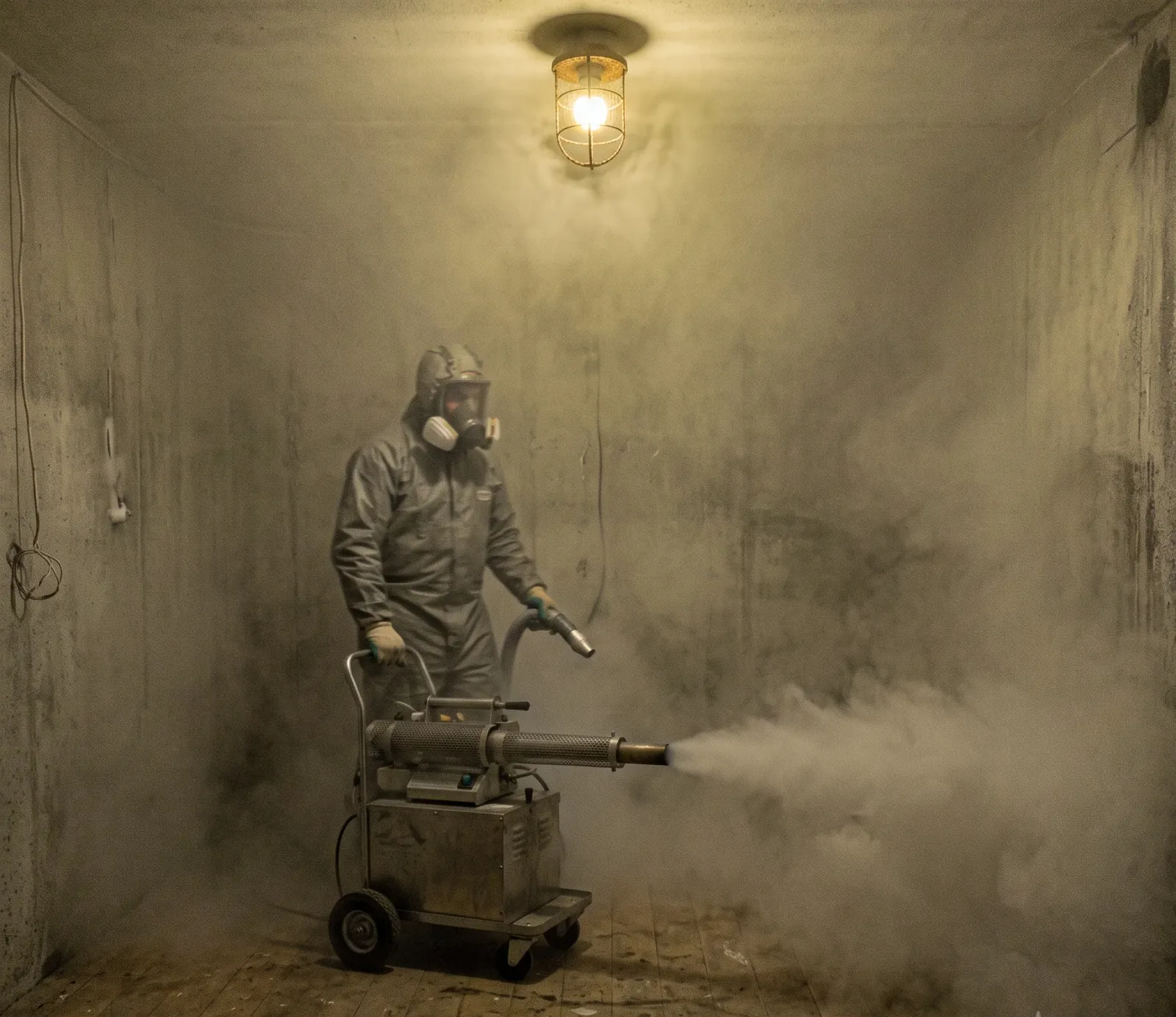
When Standing Water Raises Safety Concerns
Centennial homes range across residential areas, so a washer spill can affect different floor layouts, from a contained laundry tile room to a doorway that opens onto other flooring. Near Bob L. Burger Recreation Center, as elsewhere in town, the useful detail is the route water took inside the property.
Centennial’s floodplain map is a property-specific reference, but a washer hose failure is an indoor plumbing event and does not depend on floodplain location. For a home near Park Meadows Retail Resort, the practical question remains how far the spill traveled and which surfaces it reached.
In Centennial and Arapahoe, a mailing address does not always tell you which local boundary it falls within. Give the pros we connect you with the exact street address to check whether service is available there, since coverage can’t be confirmed from a city label or ZIP code alone.
What Water Extraction Covers
- WATER SOURCE
- An overflow may leave sudsy water spreading outward from the washer during or just after a cycle.
- WATER PATH
- A failed supply hose can leave a concentrated wet trail behind the machine; do not move it to inspect.
- FLOORING
- Tile can look clear while water remains along grout lines or at the room’s threshold.
- WALLS
- Water crossing a doorway changes the removal area; mark which adjoining surface became wet.
- NEXT STEPS
- Extraction collects standing water, while source repair and any further drying work require separate attention.
- Cost Factors
- Centennial’s cold winters can stiffen an exposed washer hose, while warm indoor air and routine laundry use continue year-round. Seasonal weather does not identify the cause; a fresh puddle or spray mark calls for checking the washer source and noting where water traveled.
- WORK SCOPE
- an estimated $250–$1,200
Electrical Safety Around Wet Areas
Laundry-room drain backup. Both problems can leave water and suds around the washer, so the floor may look much the same at first. The source differs: one starts with the machine or its hose, the other with water emerging from the drain. A laundry-room drain backup can look like a washer overflow because both may leave sudsy water near the machine. Note whether water appeared during a washer cycle or rose from a floor drain; that timing and point of emergence help distinguish the source.
Moisture Left After Water Removal
The pros we connect you with first identify whether the spill came from an overflow or a failed hose and confirm the water source has been addressed. They map the visible wet area, including doorways, then use a pump or wet vacuum to collect standing water from the affected tile.
After collection, the work record should identify the tile area addressed and any visible water at grout lines, thresholds, or wall edges. That record gives you a clear account of where removal took place and helps you discuss any separate source repair or further property work with the appropriate provider.
Keep a note of which rooms and materials are affected to describe the work needed. A contained pool may be handled in one visit; water across rooms or damp materials needing assessment and drying can call for a staged plan. Ask what the estimate includes and what comes after extraction.
WATER REMOVAL FIRST, WITH DRYING NEEDS CONSIDERED NEXT
| What Comes Next |
Common Starting Point |
|---|
| Pooled water awaiting prompt removal | Moisture assessment |
| Water reappears in a cleared area | standing water removal |
| Pooled water reaching separate parts of the property | Pooled water cleared; drying planned |
Prepare a Clear Path for Removal
Stop the washer using its controls if the area is safe to approach. Shut off a reachable water supply only if you can do so without entering water or touching wet electrical equipment. Keep people clear, photograph the puddle edge, and note whether it reached another room. Leave appliance movement and electrical concerns to qualified help.
How Extraction Removes Pooled Water
Water near a washer can make the laundry area unsafe if it reaches an outlet, the appliance cord, or other electrical equipment. Do not step into water when electrical safety is uncertain, and keep children and pets away. If the washer is wet or power is affected, wait for qualified guidance before approaching it. A dry-looking tile surface does not prove nearby electrical parts are safe.
Understand Where Extraction Ends And Drying Begins
Water volume, spread, room access, and equipment requirements all affect the estimate. Share those details with the pros we connect you with and ask for the scope in writing.A musty odor or damp feeling after visible water is gone can signal moisture remains in flooring or walls, even when the puddle itself no longer shows how far it traveled. Any guide here describes extraction; drying, source repair, sewage cleanup, mold work, and rebuilding are separate. Ask for written details to confirm visit charges and the exact scope.Explore the factors that shape the total in our pricing guide.