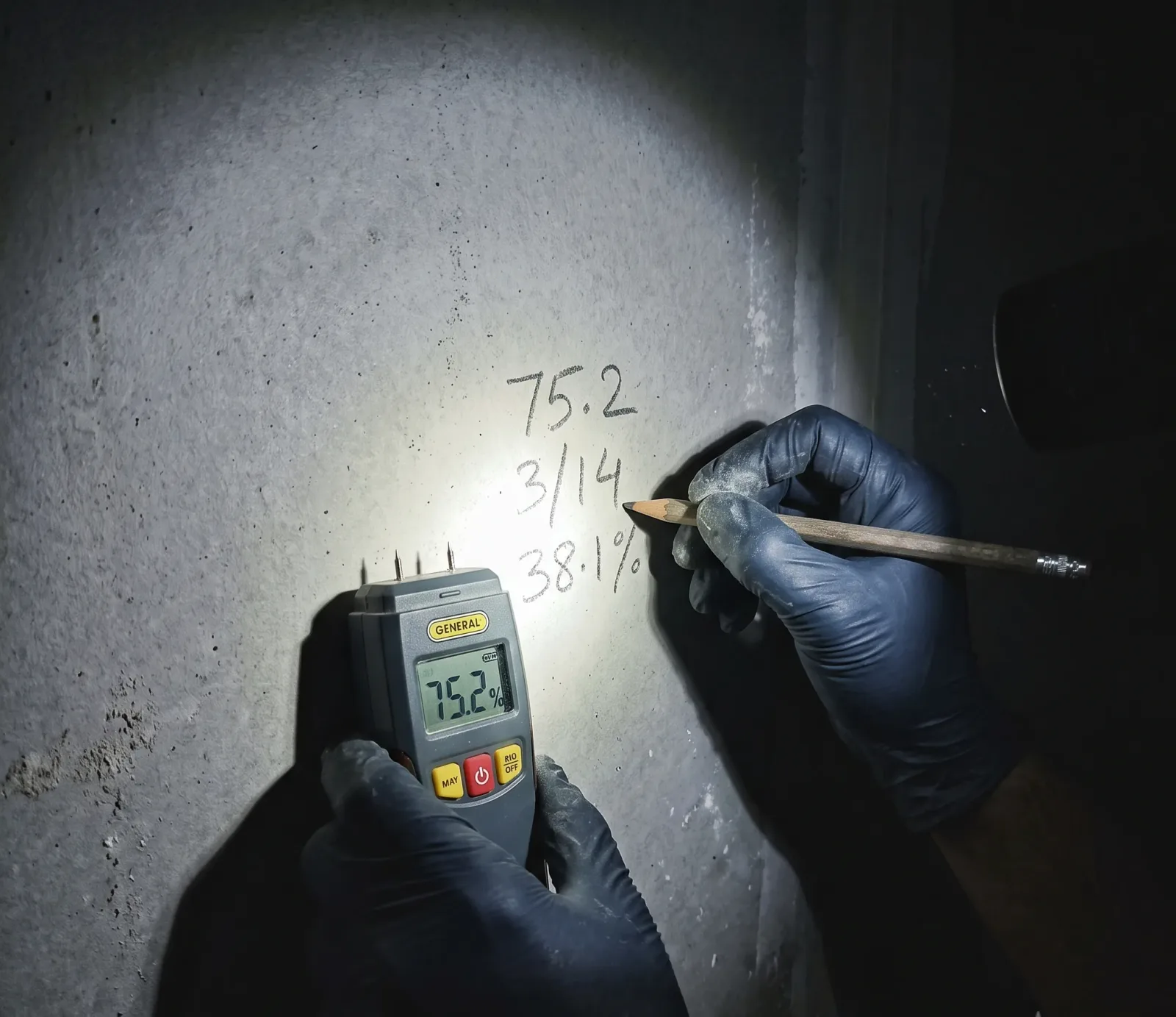
Which factors shape the cost of Emergency Water Extraction in Centennial, CO?
There is no dependable Centennial price band until someone sees where water is sitting, how much has collected, and how the affected rooms can be reached. $700–$1,400 Your estimate should show what urgent water removal covers before you agree to the work. A shallow area in an open room presents a different job from water spread through several rooms or down below grade. Ask for extraction as its own line, with any moisture checks or drying equipment identified separately; the written scope gives you a clearer basis for decisions.
The figure for a Centennial property follows the water and the work, not a townwide rate. Water in a finished room, a lower level, or a business space can call for different access and removal plans. What you hear from a pump or see on the floor tells only part of the story; damp materials may remain after pooled water is gone. Request an estimate after the property is assessed, and ask the pros we connect you with to distinguish urgent removal from follow-on moisture assessment and drying.
Estimate Emergency Water Extraction Costs in Centennial
For a useful Centennial estimate, describe which rooms are affected, where water remains, and how the area is entered. A photo can help explain what you see, but it cannot establish how much moisture remains in materials. Ask the pros we connect you with for a written scope that names water removal and lists any assessment or drying equipment as separate work. If the source is still active, mention that too; stopping a leak or other source is outside the extraction task and needs separate attention.
Select the affected area and the amount of visible water to see a planning figure. Before work starts, get the removal scope in writing and check whether drying is a separate charge. The page information remains readable if JavaScript is disabled, though the selection menus will not operate.
Treat this as planning guidance, not a quote. The final work plan can change with the volume of pooled water, access, affected materials, and moisture in concealed areas. Ask the provider to put the agreed removal work and any charges for later drying in writing.
Emergency Water Extraction Estimates in Centennial by Service
A Centennial extraction estimate should make the sequence of work understandable. First comes removal of pooled water; after that, the provider may check materials for moisture and recommend drying equipment. Those later steps address a different condition than visible water on the floor, so ask how they are priced and authorized. If the water could include sewage or chemicals, say so before work starts. Cleanup for contaminated water can involve a separate scope, and the estimate should make that distinction clear.
| Service | What Emergency Extraction Work Includes | Guide range | Timing and added charges |
|---|---|---|---|
| Hardwood Floor Water Extraction in Centennial | Surface extraction, floor access, safety check | an estimated $600–$2,200 | Confirm extraction timing and added charges |
| Basement Water Extraction in Centennial | Access check, pump-out, work notes | an estimated $700–$1,400 | Confirm extraction timing and added charges |
| Crawl Space Water Extraction in Centennial | Access, visible water, removal method, safety check | an estimated $800–$1,600 | Confirm extraction timing and added charges |
| Carpet and Pad Water Extraction in Centennial | Carpet access, water volume, pad exposure | an estimated $400–$2,000 | Confirm extraction timing and added charges |
How Water Amount Shapes the Work
The amount of water is one reason a Centennial estimate can change: more water to remove can mean more extraction work. Where it has collected matters as well. Water gathered in one spot is a different condition from water spread across several affected rooms, even before anyone checks what may have soaked into materials. Tell the estimator what you can see and where it stops; the assessment can then define the removal task without treating visible water as proof that the property is dry.
| Job size | What extraction covers | Estimated cost | Typical time on site |
|---|---|---|---|
| Basement pooling | Basement pooling; written estimate separates water removal from any moisture assessment or drying work | an estimated $700–$1,400 | Confirm timing after scope review |
| Crawlspace access | Crawlspace water; restricted entry and equipment access can change the removal work included | an estimated $920–$2,080 | Ask about access before scheduling |
| Carpet and pad areas | Carpet and pad extraction; wet-room area and access shape the estimate in Centennial | an estimated $400–$2,000 | Confirm start timing with provider |
| Hardwood floor areas | Hardwood floor pooling; affected rooms and accessible water guide the written removal scope | an estimated $1,440–$8,800 | Set timing after floor review |
Scope by Room and Property Area
In Centennial, the affected area and the route to it can shape the work. Water in a room reached directly from an entry may be handled differently from water behind stored belongings, down stairs, or through a narrow passage. Those conditions affect where equipment can be placed and how the area is approached. Point out furnishings, closed spaces, and any access limits when the property is assessed. A written estimate should explain how those details change the planned removal, rather than leaving you to guess what the price includes.
| Property and water intrusion | Estimated cost | Why it varies |
|---|---|---|
| Centennial open room, clear path | an estimated $700–$1,400 | A clear route makes the visible water area and removal effort easier to assess. |
| Water across connected rooms | an estimated $805–$1,820 | Water across connected rooms expands the area to extract and changes the work scope. |
| Stored items crowd the route | an estimated $945–$2,380 | Stored items crowding the route can affect equipment placement and access to pooled water. |
| Pooled water in tight alcove | an estimated $910–$2,170 | Water in a confined spot may take more careful access to remove. |
| Broad, unobstructed floor area | an estimated $875–$2,100 | A broad open area changes how much standing water the assessment needs to include. |
| Separate wet rooms, shared entry | an estimated $700–$1,400 | Separate wet rooms may require repositioning equipment and assessing each area. |
| Narrow doorway to standing water | an estimated $735–$1,610 | A narrow entry can affect how extraction equipment reaches the water. |
| Open basement floor, clear access | an estimated $770–$1,750 | The assessment must establish affected rooms and access before the work can be estimated. |
Six Factors That Shape an Extraction Estimate
A Centennial estimate takes shape from several details at once: how much water is present, how widely it has spread, which rooms are affected, the route inside, and what work you authorize beyond extraction. The water source and any concern about contamination also matter to defining the job. Each detail can change what the provider needs to address. Walk through what you know with the pros we connect you with, then ask the written scope to separate urgent removal from other services that may be needed.
How Much Water Needs Removal
In Centennial, the first cost question is how much standing water must be removed and where it has collected. A shallow pool in one open room calls for different work than water spread through several rooms or gathered in a low, hard-to-reach spot. A place name such as Park Meadows Retail Resort can help you describe your general area, but it does not tell the pros we connect you with what is inside your property. They need to assess the water and affected spaces before outlining the extraction work.
Which Rooms And Materials Are Affected
The footprint of the water matters because a larger affected area can mean more surfaces to check and clear. In a Centennial home, you may see water crossing a doorway or notice damp flooring beyond the room where it first appeared. That visible edge helps describe the situation, but it may not show the full area involved. Tell the pros we connect you with which rooms and materials seem affected, so the estimate can explain the area included and any limits on that assessment.
Access To The Standing Water
Water that is easy to reach may take less setup than water behind stored belongings, in a confined area, or on another level. In Centennial, note what the pros we connect you with will need to pass through and whether the water is obstructed. Someone calling from near Fitzsimons Innovation Community still needs to describe the property itself: the landmark cannot tell anyone whether equipment can reach the affected spot. Clear access details help make the estimate specific to the removal work involved.
Moisture Checks And Drying Equipment
When the visible water is gone, damp floors or other materials may still need attention. In Centennial, ask whether the estimate stops at extraction or includes moisture assessment and drying equipment afterward. Those are distinct parts of the work, and adding them can change the amount quoted. Ask which rooms and materials the drying plan covers so the estimate makes the limits of that work clear. Get the proposed assessment and equipment described in writing before deciding what work to authorize.
Water Type And Cleanup Scope
In Centennial, the cost turns on how far the water has spread and how easily each affected area can be reached. Water pooled in one open space can call for different extraction work than water spread across several rooms. After visible water is removed, moisture may remain in materials, so an estimate that includes assessment or drying equipment will cover more than extraction alone. Whether Park Meadows Retail Resort or Fitzsimons Innovation Community helps you identify the area, ask the pros we connect you with to list each included task in writing.
What The Written Estimate Includes
Before work starts, ask for a written estimate that spells out the extraction area, water removal, and any assessment or drying equipment included. For a Centennial property, the document should also identify exclusions, such as source repair or sewage cleanup, so you can see what remains your responsibility. Keep the estimate and records of the work; they may help you share details with your insurer, though they do not guarantee coverage or reimbursement. If you are near Bob L. Burger Recreation Center, the property details still determine the scope—not the landmark.
What Is Included and What Comes After
For a Centennial property, make sure the written scope tells you where water removal ends and other work begins. The estimate should identify which wet materials are included in the removal work. Access to wet areas can affect how much extraction work can be completed. Drying equipment may also be proposed after visible water is removed. These tasks can arise from the same incident, but they are not automatically part of the extraction estimate. Ask which items are included, which are optional, and which require another provider or estimate.
| Service | Estimated price |
|---|---|
| Standing water extraction | $700–$1,400 |
| Moisture assessment | Separate assessment quote |
| Drying equipment placement | Confirm equipment charges |
| Source leak repair | Separate repair estimate |
| Sewage cleanup | Separate cleanup estimate |
| Mold remediation | Separate remediation estimate |
| Reconstruction work | Separate rebuild estimate |
What might homeowners insurance cover for standing-water removal in Colorado?
Whether homeowners insurance helps pay for extraction in Colorado depends on what caused the water intrusion and on the terms of your policy. Your insurer can explain how the specific event is treated; a contractor cannot promise coverage from the visible damage alone. Ask your insurer whether it wants to inspect the affected areas before removal begins. A Centennial estimate should describe the proposed scope plainly so you can share it with your insurer and ask what documentation or next steps they require.
Often claimable
- Sudden storm water entering a Centennial home near Park Meadows Retail Resort.
- An accidental plumbing release that spreads across finished rooms in a Centennial residence.
- Water from a suddenly disconnected washing-machine hose inside a home near Roxborough State Park.
- A sudden water-heater tank failure that sends water into a Centennial home's living space.
Usually not covered
- Routine extraction for a gradual leak may be excluded as ongoing damage, depending on your policy.
- Water removal after deferred upkeep may be treated as maintenance, leaving that cleanup outside coverage.
- Floodwater extraction may be excluded when your policy omits that water source.
- Repairing the failed pipe may fall outside extraction coverage because it fixes the source, not standing water.
- Mold treatment or rebuilding may be handled separately from extraction under your policy’s terms.
A policy may not pay for every water event or every part of the work, and the reason depends on its wording and the cause of the loss. Do not assume that an extraction visit, drying equipment, source repair, or later restoration will be handled the same way. Ask your insurer to explain the applicable terms for your Centennial claim. The pros we connect you with can describe the work they propose, but only your insurer can clarify how your policy applies.
Why the Written Scope Matters
A short estimate for a Centennial job can leave you unsure what happens when the visible water is gone. Before choosing, ask the provider to walk you through the next decision: whether moisture assessment is proposed, whether drying equipment may be needed, and how additional work would be approved. That conversation helps you see whether the written scope matches the condition at the property. Moisture can remain behind baseboards or under flooring after surface water is removed.
What Changes an Extraction Estimate
Cost can change when a phone estimate leaves out moisture checks or drying equipment for rooms beyond the initial work area. In Centennial, ask the pros we connect you with to spell out what the estimate includes and get your approval before adding work. Ask for photos of affected materials before work begins so you have a record to compare with the completed work. Keep the written estimate and job notes so you can share the scope with your insurer.
Water Removal and Drying Costs
Once pumps or wet vacuums remove pooled water, damp flooring or wall materials can still need attention. That next step can change the bill: moisture checks and drying equipment may be separate from extraction. For a Centennial home or business, ask the pros we connect you with to list water removal, moisture assessment, and drying equipment separately, then confirm which items the estimate includes. Whether the address is near Park Meadows Retail Resort or elsewhere, a clear scope helps you compare the quote with the work you expect.
Get Approval Before Scope Changes
An initial figure can change if the agreed work expands after affected areas are reviewed. Before anything is added, ask why it is needed, what it will cost, and when you must approve it; do not rely on a verbal summary while water removal is underway. Keep the estimate, photos, notes, and job records together. Save receipts for related expenses, since your insurer may ask for them when reviewing the claim.
Price the Water Source Separately
A quote for extraction does not include fixing the condition that brought water in. If water keeps seeping or returns after removal in Centennial, ask whether a separate source repair is needed and who will handle it. Have the pros we connect you with explain any related work and its cost before it begins. A business near Highlands Ranch Library may have a different source issue than a home, so make sure the estimate names the actual work. Is the source still active? Who will address it?
When reviewing a Centennial estimate, look for a clear description of the affected areas, the removal work, and any visit or equipment charges. Ask how the provider will handle a finding that changes the scope, and whether you will receive the change in writing before extra work proceeds. Source repair, contaminated-water cleanup, mold remediation, and reconstruction may need separate estimates. The pros we connect you with should be able to explain their proposed work in plain terms, giving you useful details to discuss with your insurer.
Estimates Across Arapahoe
Centennial estimates depend on the property, so a number attached to another address may not answer your question. Even comparisons with the Englewood mailing area, Swedish Medical Center, or the Littleton mailing area cannot establish what water removal will involve at your home or business. Describe the affected rooms and access at your address, then request a written scope from the pros we connect you with. Use those details to compare the work proposed and ask your insurer how the cause of loss affects coverage.
Water Removal FAQs
Is there a charge for an estimate or an on-site visit?
Ask the provider before arranging a visit whether the estimate is free, whether an inspection or moisture check has a charge, and whether that charge applies if you approve the work. In Centennial, clarify what the visit covers: seeing standing water may not show how far moisture has traveled. Request any visit fee and estimate terms in writing so you can understand what the proposed water removal scope includes before work starts.
Why do two similar-looking water removal jobs get different estimates?
A wet room can hide a different job beneath the same visible water. The estimate can change with the affected area, where the water has spread, access to that area, and what the work includes. A basement and a business space in Centennial may need different scopes even if both have pooled water. Ask which conditions the estimate assumes so you can understand the difference.
What should a written water extraction estimate spell out?
Look for the areas included, the standing-water removal work, and any separate assessment or drying proposed afterward. The document should make clear what is excluded, such as repairing the leak or rebuilding damaged materials. If a line is unclear, ask for it to be explained before authorizing work. A written scope gives you a record to discuss with your insurer, including if you are in Centennial.
Does the extraction estimate include equipment to dry damp materials?
Not necessarily. Removing pooled water and drying materials are different parts of the work, so ask whether moisture checks and drying equipment appear in the same scope or a separate one. A floor can feel damp after the visible water is gone. In Centennial, get the proposed next step and its cost treatment in writing before equipment is added, so you know what you are agreeing to.
Can I approve water removal before deciding on other work?
You can ask for the urgent removal work to be described separately from later decisions, then review any added scope before approving it. The pros we connect you with should identify what your authorization covers and explain proposed additions in writing. That keeps a Centennial estimate readable if assessment or drying is discussed after extraction. You can also ask whether declining later work changes the charge for the authorized removal.
Does the estimate include fixing the leak that caused this?
Water removal does not fix its source. A leaking pipe or another active source needs separate attention, so ask whether the source has been addressed before extraction proceeds and who is handling that repair. The estimate should distinguish removal from plumbing or other repair work. If water is still entering your Centennial property, tell the provider when you call; the cause may need attention alongside removal.
Will a larger affected area change the amount of work quoted?
It can. The quoted scope should identify which affected rooms or sections are included; water beyond the first visible spot may mean more area needs removal or assessment. Walk through what you have noticed and ask how each area is treated in the estimate. If you are calling from Centennial near Highlands Ranch Library, describe the location and extent of the intrusion rather than assuming one room tells the whole story.
Can difficult access affect the estimate for water removal?
It may affect the work plan. Tell the provider about access limits before the visit, then ask whether the written estimate accounts for them and whether any assumptions could change the scope. You do not need to guess how the work will be done. A Centennial business near Broomfield Community Center, for example, should have its actual access conditions discussed instead of relying on a general description of the property.
Does water that may be contaminated change what gets quoted?
It can mean a different scope. The materials affected can also change which drying steps are needed. Do not assume ordinary standing-water removal covers contaminated-water cleanup. For a Centennial property, ask for the distinction in writing before authorizing work, especially if the water source or contents are uncertain.
What if the work needed changes after water removal starts?
Ask how the provider handles a change in scope before work begins: will you receive an explanation and revised written estimate, and must you approve added work first? The answer matters when the initial view of the affected area proves incomplete. Keep the original estimate and any revision together. In Centennial, that paper trail helps you see what changed and decide whether to proceed with the added work.
Will my homeowners insurance pay for emergency water extraction?
Your homeowners policy may cover emergency water extraction, but payment depends on your policy and what caused the water intrusion. No claim outcome is guaranteed. In Centennial, ask your insurer how to report the damage and whether it wants photos, a written scope, or approval before work begins. Keep the estimate and records of the water removal. The pros we connect you with can describe the proposed work; your insurer determines whether it is covered.
How can I compare water extraction estimates fairly?
Compare the work described, not just the final figure. Check whether each estimate covers the same areas and whether drying, source repair, or other work is listed separately. Ask about any difference you cannot explain, then request a revised written scope if needed. For a Centennial home or business, keeping each estimate side by side can show whether the proposals describe comparable work.
Compare Extraction Estimate Details
In Centennial, the estimate can shift with how much water is pooled, where it has traveled, access to the affected rooms, and what the proposed work includes. Before you agree, ask whether a visit charge applies and request the extraction scope in writing. Check whether moisture assessment or drying equipment is included or priced separately, and ask what terms apply. If you are comparing a listing associated with Park Meadows Retail Resort, verify the service address and scope directly; a place name alone does not define the work.
Call (303) 647-3932