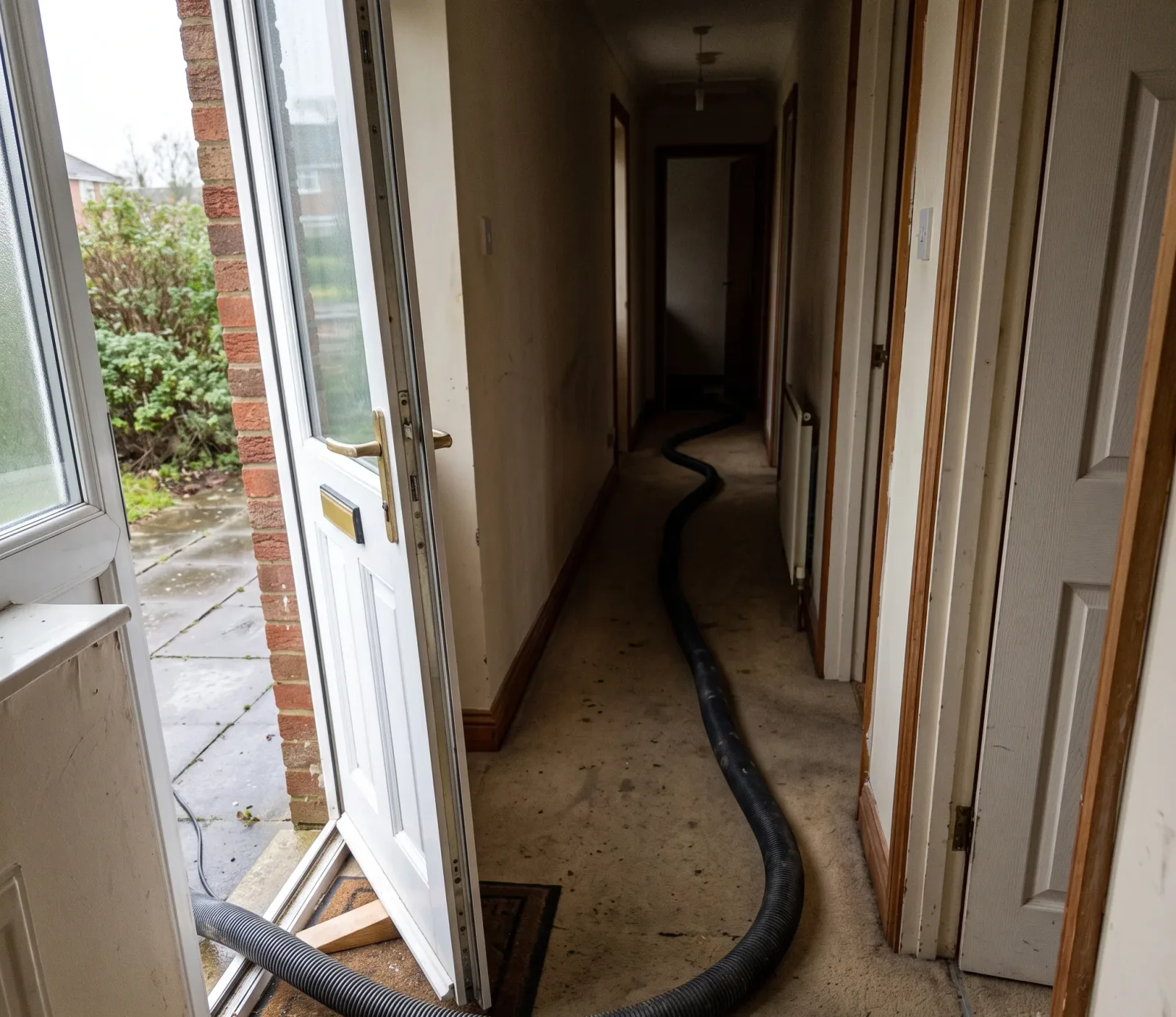
Emergency Response Time
How soon can extraction help reach your Centennial address? Learn what affects provider availability, what details to share, and how to ask for a current estimate.
Read article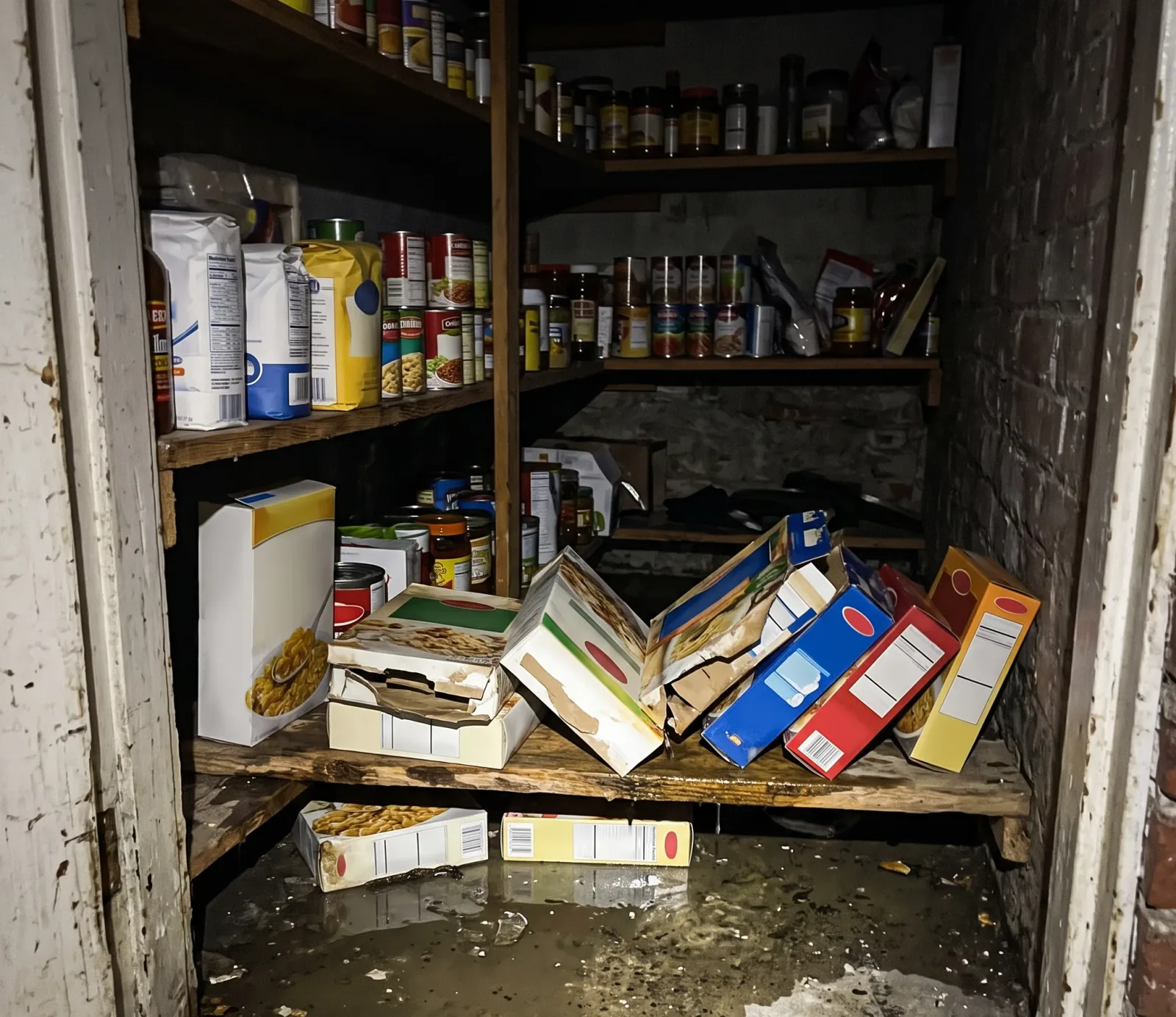
Compare a household wet vac with professional basement water removal
In Centennial, a flooded basement can leave water pooled across the floor before you know how far it has spread behind stored items or into adjoining rooms. From a dry, safe spot, note the depth and any known source; do not step in to investigate if wiring, outlets, or equipment may be wet. Homes around the Park Meadows Retail Resort area can have different access for hoses and equipment, so a clear route to the basement matters. The amount and spread of water help determine whether a careful DIY effort is practical or a pro assessment is the safer start.
The pros we connect you with can check entry conditions, water depth, access, and the likely source before choosing a pump or wet vacuum. In Centennial, stairs, narrow basement doors, stored belongings, and the distance from an equipment setup point can affect the work time and cost; a larger, deeper pool takes a different approach from a small accessible patch. A home nearer Bob L. Burger Recreation Center may have a different travel route than one near Park Meadows Retail Resort. Ask for the removal scope in writing, then arrange moisture assessment and drying separately.
In Centennial, Basement Water Extraction is scoped to the rooms and materials affected; visible water can be removed, while damp flooring may still need separate assessment and drying.
For a place you live in, start with residential emergency water extraction; if you manage a business or rental, commercial emergency water extraction describes that property’s water-removal scope.
A visible pool that reaches across a finished basement or disappears beneath shelving is hard to judge from the doorway. Depth and spread matter: a small, open area may be manageable with a suitable wet vacuum, while a deep pool or water hidden in several rooms can call for pump capacity and a safer work plan. In Centennial, take a photo from dry ground and note which rooms appear affected. That gives a provider useful detail without asking you to walk through the water to map it.
The place where water collects may not be the same as the point where it entered. Stay out of the affected area when electrical safety is uncertain and seek qualified guidance. A basement may also be difficult to reach with equipment if the route passes through a tight stairwell or cluttered landing. Describe what you can see from a safe place in Centennial, and let the assessment determine whether pumping can begin and where equipment can be positioned.
Water that returns after a first pass with a household vacuum can mean the source is still active or water is entering from another part of the basement. Repeating the same cleanup may add effort without resolving the pool. Tell the provider when you first noticed it, whether the level changed, and what you know about the source. For Centennial homes, that account helps distinguish a limited removal job from one that needs attention to the incoming water before pumping can be effective.
From a dry location, note visible depth, affected rooms, and any known source; these details help set a safe assessment plan.
The provider checks entry hazards and the basement route before bringing equipment inside; wet electrical areas need qualified guidance.
After checking depth, spread, and access, the provider selects a pump or wet vacuum for accessible standing water and removes it.
Once pooled water is removed, arrange moisture assessment and drying as follow-up work; pumping alone does not confirm the basement is dry.
Basement layouts vary, and water can move from an open floor into low spots behind stored items before you see the full spread. In Centennial, that makes a doorway estimate a poor substitute for checking depth and access from a safe position. A measured pump-out can clear accessible standing water while limiting unnecessary handling of belongings. Moisture checks and drying follow afterward, since an empty-looking floor does not show what remains in materials.
Centennial mailing addresses and municipal boundaries do not always line up neatly, so confirm the service address when arranging an assessment. A nearby landmark such as Park Meadows Retail Resort may help describe your area, but the full street address is what the provider needs to check coverage and access. Share the basement entrance location, any parking or gate limits, and whether equipment can be brought close to the home. These details help set a realistic scope before work starts.
Ask the pros we connect you with to identify what the estimate includes: the rooms and standing water they plan to remove, the equipment approach, and any conditions that could change the work. Request written notes or photos of the affected areas for your records. If the address is closer to Bison Ridge Recreation Center than central Centennial, clarify the route and arrival arrangements directly; provider-specific operating details are not established by a landmark or ZIP code.
These Basement Water Extraction ranges for Centennial are estimates; the pros we connect you with confirm any visit charge and document the extraction scope in writing.
| Affected Areas | Water Removal | Drying Needs |
|---|---|---|
| Spot removal | Pooled water cleared from a limited floor area | an estimated $700–$1,400 |
| Single room | Standing water removal from one limited interior space | an estimated $805–$1,820 |
| Several rooms | Standing water extracted from a single affected section | an estimated $700–$1,400 |
| Broad area | One contained area cleared of accessible standing water | an estimated $1,680–$5,600 |
The estimate should make clear whether it covers pooled water removal alone or includes added assessment and drying. Fixing the water source, handling contaminated water, and rebuilding are separate work that can change a broader project total. Review written scope details alongside the full pricing guide.
A professional first checks whether entry is safe, then looks at the depth, spread, and access route. Pumps can move larger pools; a wet vacuum may suit a smaller accessible area. In Centennial, basement stairs and the distance to an equipment setup point can affect which approach fits. If you can safely do so, note the water level and likely source from outside the flooded area before arranging an assessment.
DIY removal can make sense when the water is shallow, confined, and safely reachable, and you have equipment suited to it. A pro assessment is a better starting point when water is deep, covers several rooms, keeps returning, or sits near electrical equipment. In Centennial, describe the conditions from a dry location first; do not enter a flooded basement to test whether a household vacuum will handle it.
The estimate can change with the water’s depth and spread, the number of affected areas, access for equipment, and whether the incoming water has stopped. A narrow stairway or a long path from the setup point can add handling time. Ask for the planned removal scope in writing and confirm what would change it before work begins at your Centennial home.
The route matters. Tell the provider whether the basement has a separate entrance, tight stairs, or a landing blocked by stored items, and whether there is a clear place to set equipment. You can move belongings only from dry, safe areas; leave anything that requires crossing standing water. A clear description helps the pros we connect you with plan the pump-out without asking you to take risks.
For a small, shallow pool in an open area, a wet vacuum may be enough to collect accessible water. A deeper pool often calls for a pump, and the provider can match equipment to the amount of water and route into the basement. In Centennial, mention low spots or rooms you cannot see from the entrance so the estimate accounts for the full accessible area.
Give the provider the street address, the depth you can see from a safe spot, which areas appear affected, and any known source. Mention whether the level is changing and how the basement is reached. A photo taken without entering the water can help explain the layout. If the property is near Morrison Natural History Museum, use that only as a general location cue; the address guides the service check.
An estimate for Basement water extraction is $700–$1,400 for this work. Water volume, affected materials, access, and scope can shift the figure; the pros we connect you with confirm it.
Before calling, know where water removal ends and which follow-up work may need separate attention.
How soon can extraction help reach your Centennial address? Learn what affects provider availability, what details to share, and how to ask for a current estimate.
Read article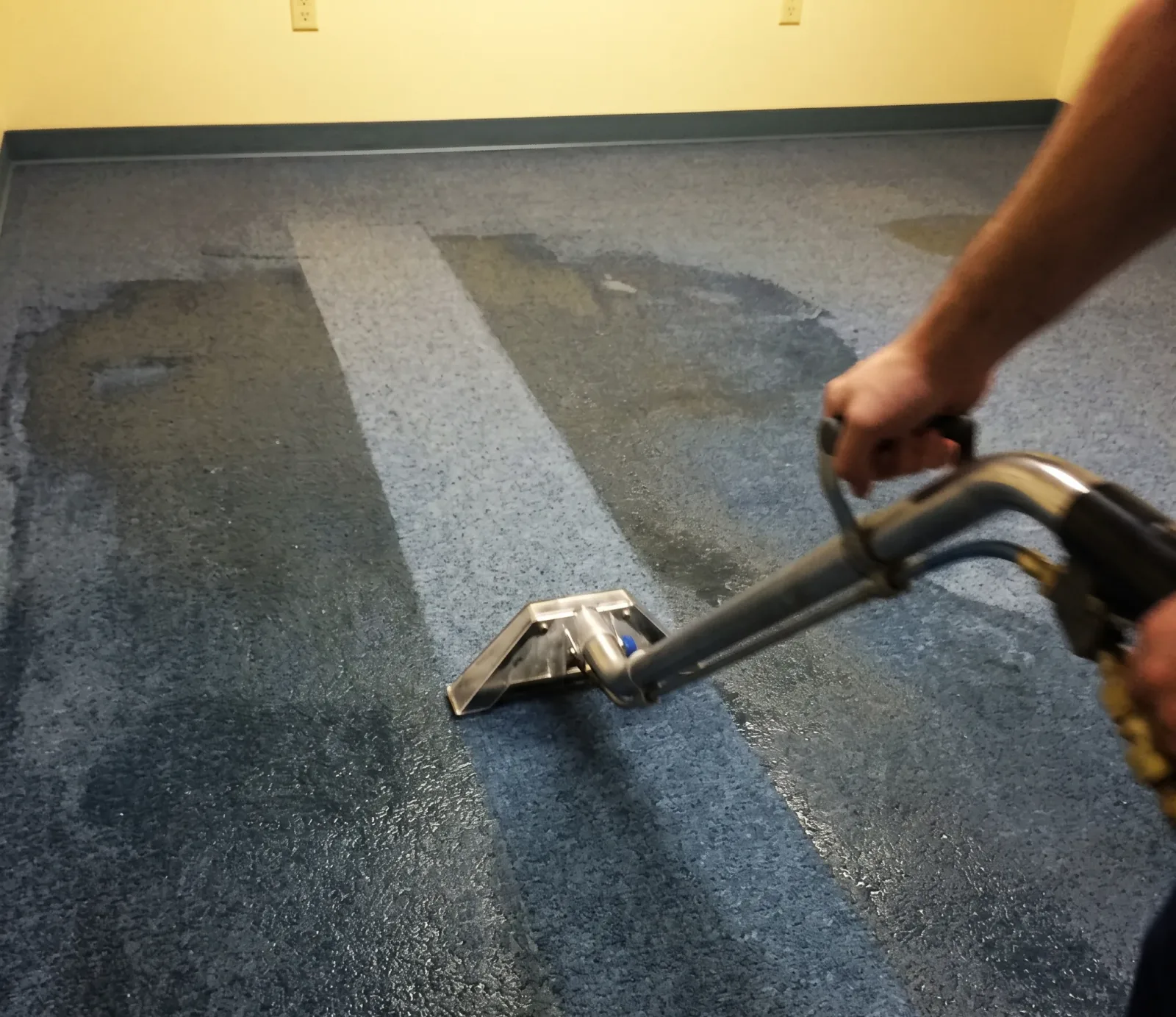
How long does emergency water extraction take in Centennial? Learn what affects the estimate, how scope shapes the work, and what to ask local pros.
Read article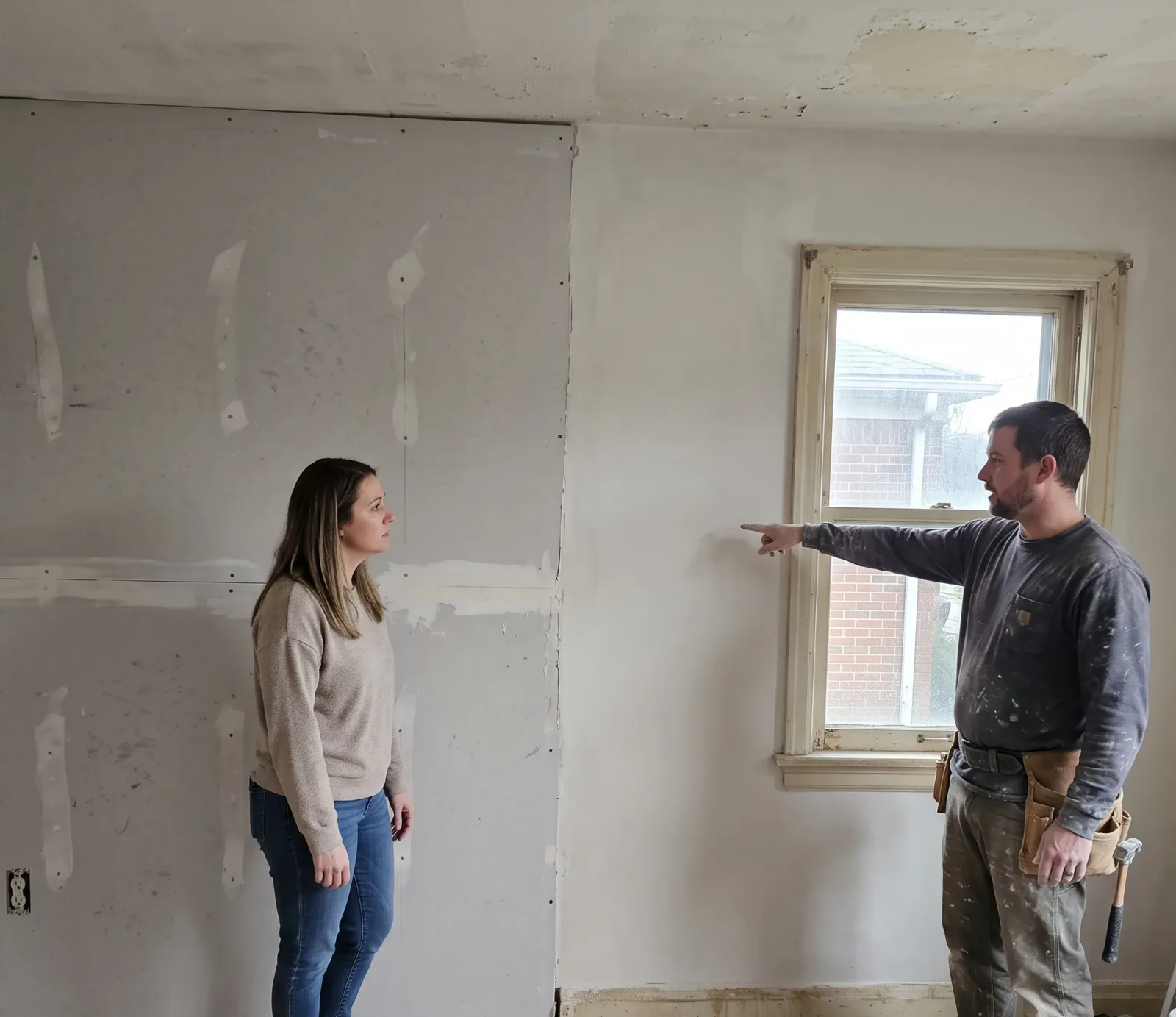
When is walking through water-damaged rooms unsafe? Learn the warning signs and how to keep people and pets away while a qualified professional assesses the area.
Read articleA wet room in Centennial can look clear after pooling is removed while dampness remains in flooring or other materials. Tell the pros we connect you with which areas you can see are affected and what you know about the intrusion. Ask whether they serve the address, what timing and visit charges apply, and request the proposed work in writing. Confirm whether moisture assessment and drying equipment are included or separate, so the estimate spells out where water removal ends and follow-up work begins.
Call (303) 647-3932