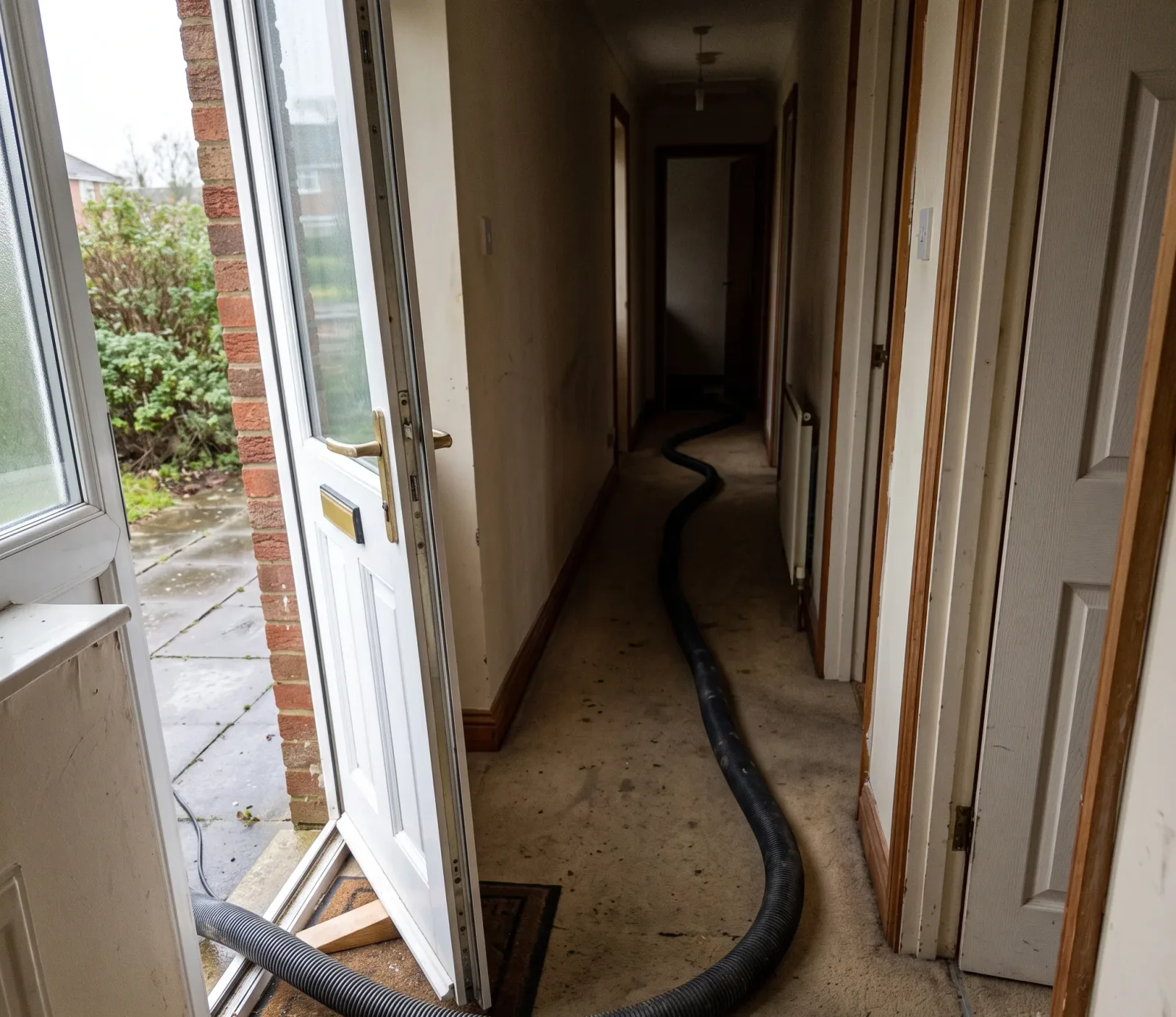
Emergency Response Time
How soon can extraction help reach your Centennial address? Learn what affects provider availability, what details to share, and how to ask for a current estimate.
Read article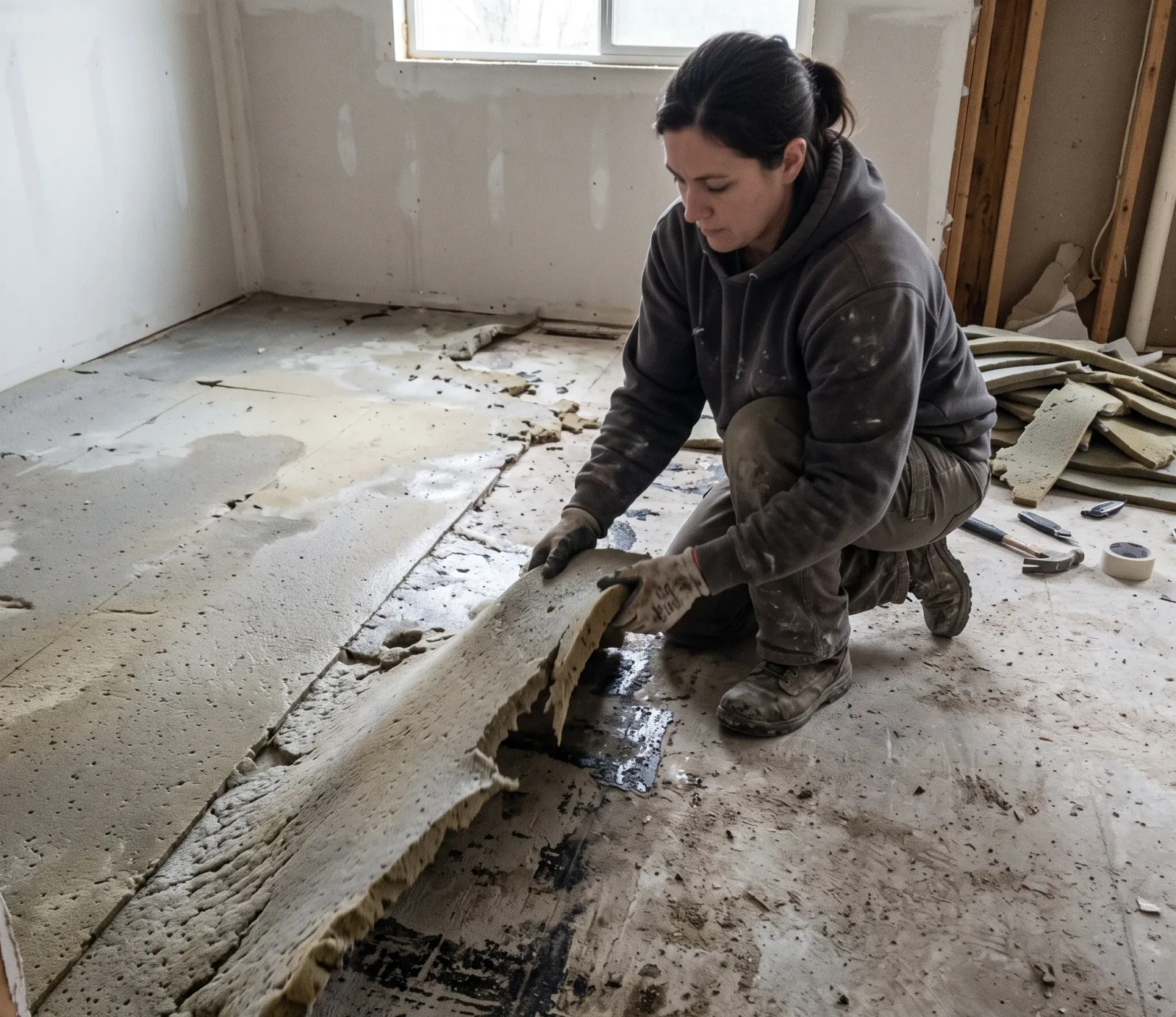
Carpet access, water spread, and pad condition shape extraction scope
In Centennial, a soaked carpet can look merely dark at first, then squish underfoot or keep a damp edge after surface water is gone. Water from a room spill or intrusion can travel under the visible wet patch, so the stain does not show the full area. Near Highlands Ranch Library, a caller may be in a different part of the service area than someone using Anschutz Medical Campus as a reference; give the address and describe which rooms and edges feel wet. Keep people off the carpet where practical.
The estimate depends on how many carpeted areas are wet, how far water reached beneath the carpet, and whether furniture or tight access slows removal. In Centennial, the pros we connect you with can check the wet boundary, determine whether the pad is accessible, then use a pump or wet vacuum suited to the pooled water. Carpet pad extraction may require lifting an edge; whether carpet or pad can remain depends on their condition and the water involved. Ask for the removal scope in writing, including what is separate.
For homes and businesses in Centennial and Lone Tree, Parker and Englewood mailing area, Carpet and Pad Water Extraction addresses standing water; a basement spill and a wet work area can call for different removal scopes.
Choose residential emergency water extraction to see how extraction is handled in a residence; commercial emergency water extraction is the guide for landlords and owners dealing with a commercial property.
A soft, heavy feel underfoot can mean water has passed through the carpet into its pad. The surface may seem less wet after blotting, while a step still compresses water below. In Centennial, avoid walking back and forth to test it; pressure can spread moisture into a wider area and track it into adjoining rooms. Tell the assessor where the carpet feels spongy and how far that sensation extends, even if the visible mark is smaller.
A damp line at a doorway or along a room edge can show where water has traveled beneath carpet. Sometimes the border feels cool or the carpet pulls slightly away from its usual position. For a Centennial home, point out each affected threshold and whether the dampness continues into a closet or hall. That detail helps define the area to inspect and extract; a dry-looking strip between wet areas does not, by itself, establish that the pad is dry.
A musty odor or a dark patch that returns after surface blotting can signal moisture held below the carpet fibers. Neither clue measures how much water remains, but both are useful when describing the affected room. If you are arranging help in Centennial, note when you first noticed the smell or mark and whether it changed after water was removed. Keep foot traffic off the area where practical, and mention any suspected sewage or chemical contamination before work begins.
The pros we connect you with review the wet rooms, carpet edges, and access so the estimate names the affected area and any limits.
They identify where pooled water can be reached and choose a pump or wet vacuum for the accessible carpeted area.
If water has reached the pad, they explain whether an edge must be lifted and what carpet or pad handling is included.
After removal, they document the work and clarify whether moisture assessment or drying equipment is a separate next step.
Carpet is a surface layer, and its pad can hold water out of sight. In Centennial homes, that means a room can look improved after pooled water is removed while dampness remains below the fibers. Extraction addresses standing water; it does not confirm the pad or other materials are dry. The distinction matters when deciding what should be checked next and what work belongs in a separate estimate.
For a Centennial estimate, ask the provider to separate carpet water extraction from any proposed lifting or handling of carpet and pad. The written scope should identify the rooms and accessible carpeted areas included, the removal method, and any limits caused by furniture or access. A clear record helps you compare what work is included and share details with your insurer. Do not assume that a quote for visible water removal includes assessment, drying equipment, source repair, or restoration.
If navigation is easier by landmark, give your Centennial street address first, then use a familiar reference such as Highlands Ranch Mansion to help clarify the route. The pros we connect you with need the affected-room details as well: where the carpet feels saturated, whether water reached adjoining edges, and whether the area is safe to enter. Standing water near wet outlets or appliances may be hazardous; stay clear and seek qualified guidance if electrical safety is uncertain.
In Centennial, Carpet and Pad Water Extraction ranges are estimates because one wet room differs from a waterlogged lower level; the pros we connect you with confirm charges and scope in writing.
| Water's Footprint | Standing Water Removed | Materials to Dry |
|---|---|---|
| Confined area | Water removal within one accessible affected area | an estimated $400–$2,000 |
| One room | One room’s visible standing water extracted | an estimated $460–$2,600 |
| Connected rooms | Visible pooled water removed from a reachable area | an estimated $400–$2,000 |
| Extensive area | Accessible standing water removed within one affected room | an estimated $960–$8,000 |
The total can change with the area affected and any added work you request. Moisture checks and drying equipment may be scoped after water removal; source repair, cleanup, and rebuilding need separate estimates. Ask what each item includes, then use the full pricing guide to compare the costs.
A provider can remove pooled water with a pump or wet vacuum, then address accessible carpeted areas with equipment suited to the amount of water. If water has reached beneath the carpet, the pad may need to be exposed for extraction. In Centennial, describe the wet rooms and edges before the visit, and keep foot traffic off soaked carpet where practical.
Carpet that stays dark or cool after blotting, a squishy step, dampness at an edge, or a carpet edge that lifts can signal water has reached the pad. A stale smell may add concern, but appearance cannot show how far it traveled. In a Centennial home, keep foot traffic off the soaked area and tell the pros we connect you with whether water reached a doorway or next room; affected area and access can change carpet water extraction and carpet pad extraction scope. Carpet water extraction addresses moisture held in the carpet fibers, while carpet pad extraction focuses on water that has moved into the cushioning layer underneath.
A dark patch, damp edge, or spongy feel can suggest water has reached the pad, but appearance alone cannot confirm how much moisture remains. Describe the full area you noticed, including thresholds and adjoining rooms. In Centennial, keep people off the wet carpet where practical until it can be assessed.
The scope can change with the number of affected rooms, the wet boundary, access to the carpet edge, furniture in the way, and whether pad extraction is needed. Ask the provider to list included areas and any separate work in a written estimate. A nearby landmark such as Anschutz Medical Campus may help with directions, but give the service address first.
Extraction removes standing water, but it does not establish that the carpet pad or nearby materials are dry. Moisture assessment and drying equipment may be separate next steps. Ask which areas will be checked after removal and whether that work appears in the written scope.
Keep foot traffic off the soaked carpet where practical, and share how far water spread when arranging an assessment. Mention if the water may contain sewage or chemicals, since that cleanup is a separate scope. If standing water could contact outlets, appliances, or wiring, stay out of the area and seek qualified guidance.
For Carpet and pad water extraction, the estimate is $700–$1,400 for this work. A shallow pool in an open area differs from water across several materials, and access and scope matter too; the pros we connect you with confirm the figure.
How pumps or wet vacuums clear pooled water helps explain what the removal work may involve.
How soon can extraction help reach your Centennial address? Learn what affects provider availability, what details to share, and how to ask for a current estimate.
Read article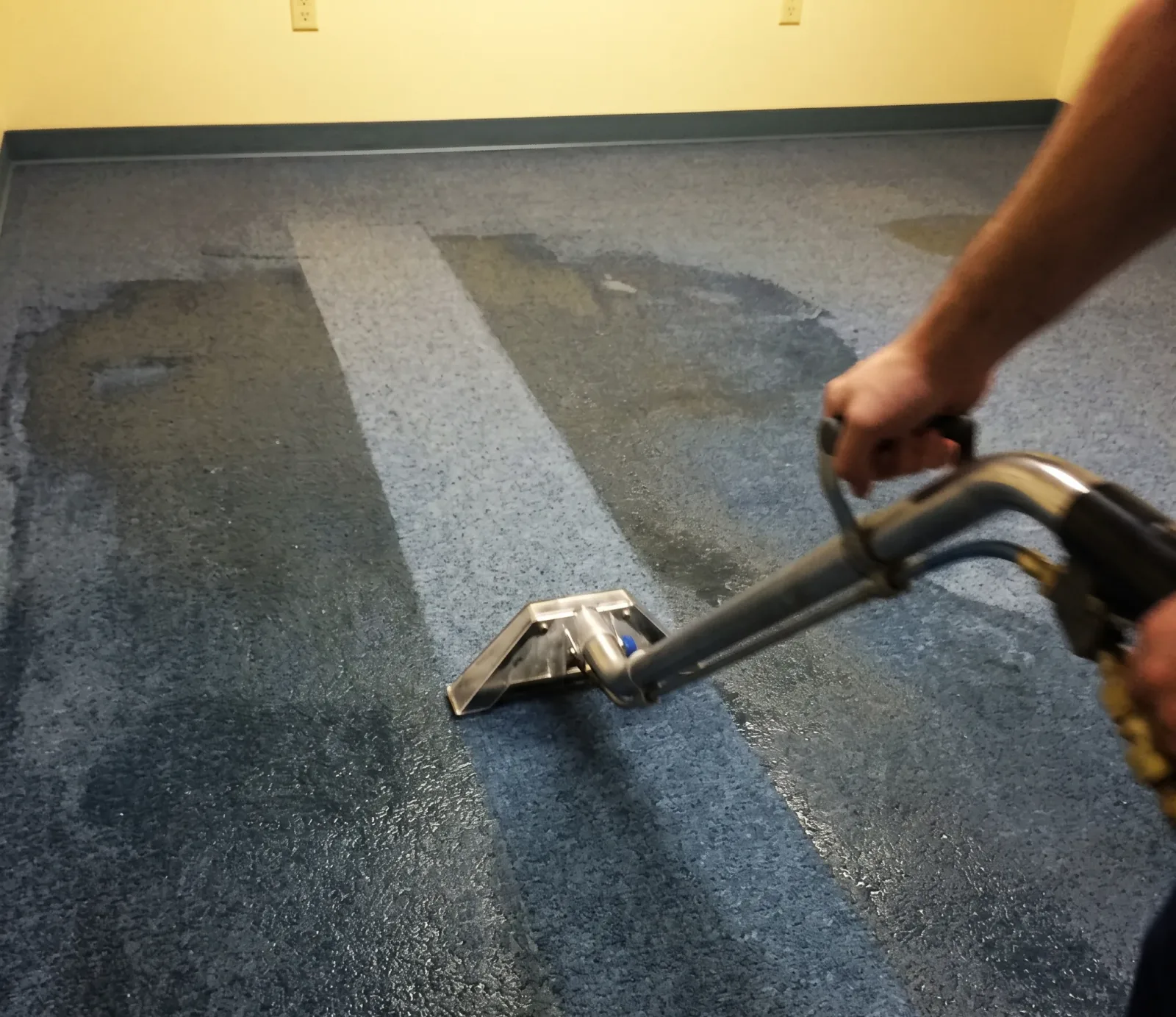
How long does emergency water extraction take in Centennial? Learn what affects the estimate, how scope shapes the work, and what to ask local pros.
Read article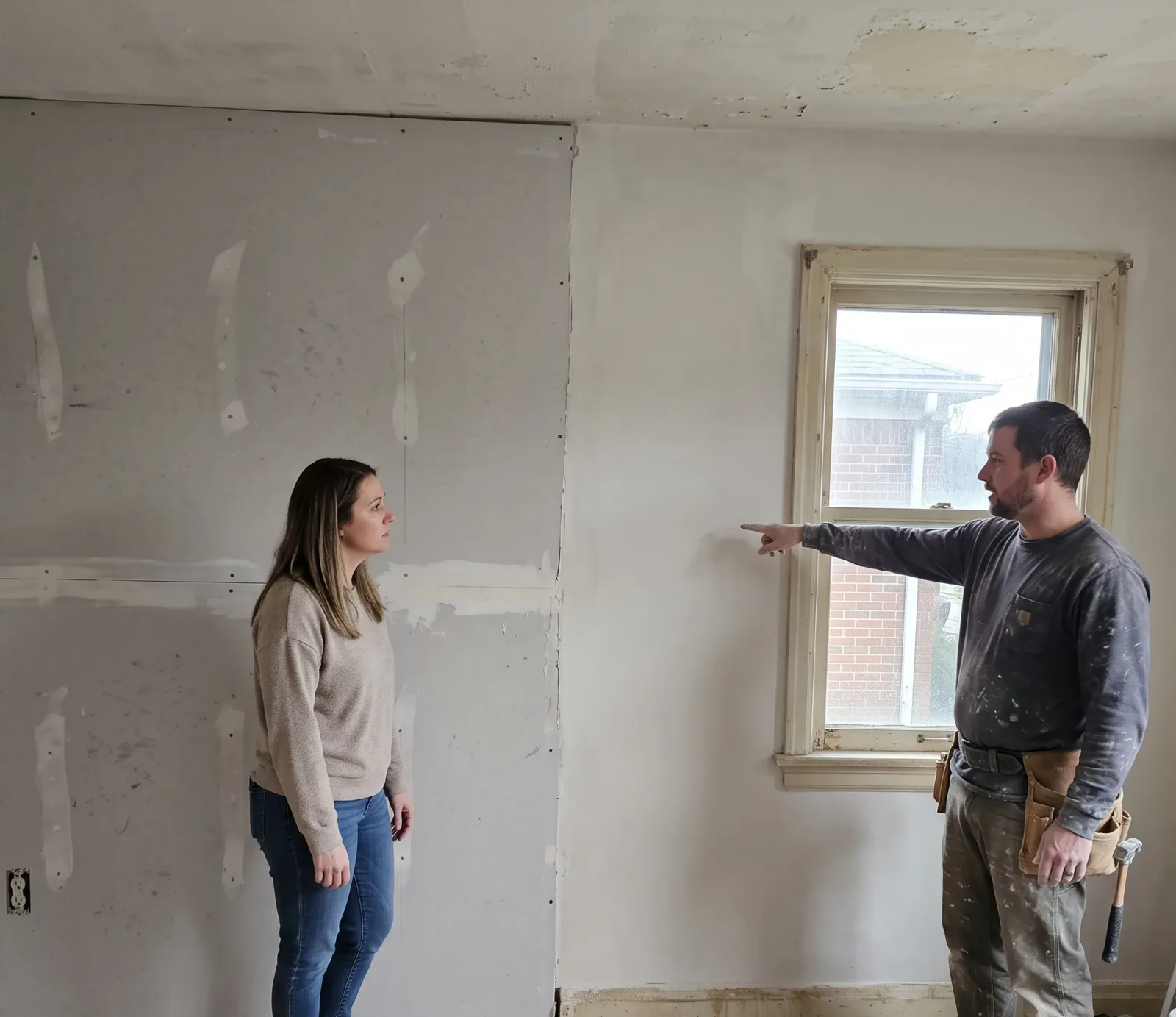
When is walking through water-damaged rooms unsafe? Learn the warning signs and how to keep people and pets away while a qualified professional assesses the area.
Read articleA wet room in Centennial can look clear after pooling is removed while dampness remains in flooring or other materials. Tell the pros we connect you with which areas you can see are affected and what you know about the intrusion. Ask whether they serve the address, what timing and visit charges apply, and request the proposed work in writing. Confirm whether moisture assessment and drying equipment are included or separate, so the estimate spells out where water removal ends and follow-up work begins.
Call (303) 647-3932