What Shapes the Cost of Water Removal
For a Centennial address, the property conditions matter more than the postal label. Park Meadows Retail Resort is one regional reference point, but it cannot tell an estimator the size of a home's wet area or the access available.
Centennial estimates should reflect the site itself. Fitzsimons Innovation Community and Bison Ridge Recreation Center are regional reference points, not measures of a home's extraction scope; the written estimate needs to describe the actual work location and access.
Calls come from across Centennial and Arapahoe, where mailing addresses and municipal lines do not always match. Share the full street address so availability can be checked for that location; a postal city or ZIP label alone may not show whether the pros we connect you with can serve it.
Homes and Businesses
- WATER VOLUME
- More pooled water or more rooms can expand the removal scope and equipment time.
- AFFECTED AREAS
- Stairs, tight spaces, and blocked paths can affect access and labor.
- MATERIALS
- Ask for drying equipment and other follow-up work to be listed separately from extraction.
- ACCESS
- A written scope should identify included areas, exclusions, and conditions that could change charges.
- WRITTEN SCOPE
- In Centennial, ask the estimate to state the water volume and affected materials, describe access, and list any added work or charges that may change.
- Cost Factors
- Seasonal conditions can affect how much water enters a property and what work is proposed, but they do not set one cost for Centennial. Ask the estimate to describe observed conditions and what could trigger added charges.
- WATER AMOUNT
- an estimated $250–$1,300
When Water May Be Contaminated
Water damage restoration cost can include work beyond removing standing water. The terms get mixed together when an estimate groups extraction, drying, and repairs without showing which charges belong to each scope. Compare the written scope and charges: an extraction estimate should identify standing-water removal, while a broader restoration estimate may include other work. Ask the provider to label each service and any added charge clearly.
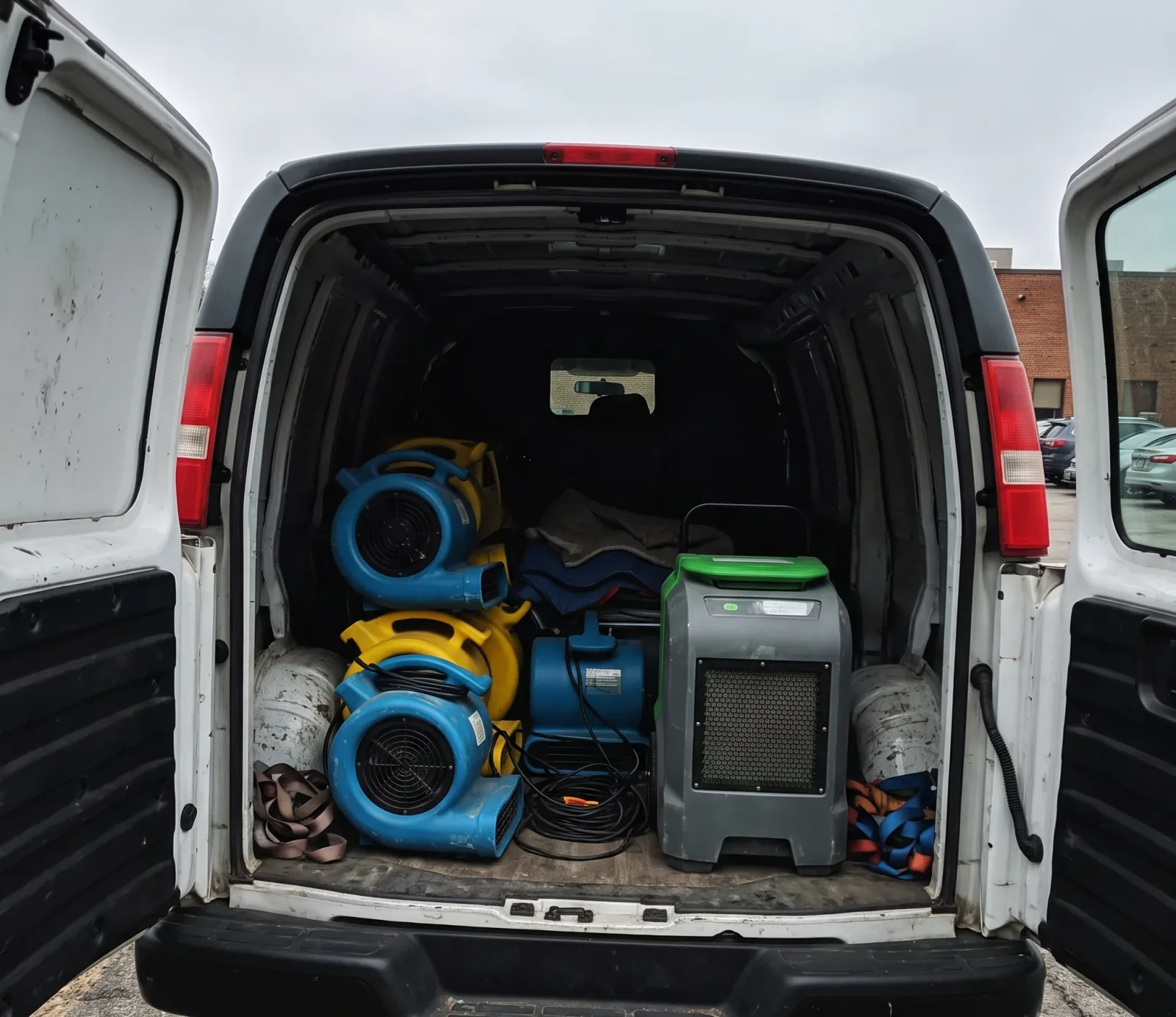
Equipment Used During Water Extraction
The pros we connect you with first review the visible water, access route, and areas you want included, then explain the proposed extraction scope. Tell the licensed pros we connect you with which contents or materials need special handling before extraction begins. The estimate should identify the work and any conditions that could change its cost.
After removal, the provider can assess what additional work is being proposed and document it separately. Drying equipment may address moisture left in materials, while source repairs and other cleanup are distinct scopes. Ask that each included step, exclusion, and possible added charge appear in writing before the scope expands.
Cost follows the size and reach of the water, not just what you see at the doorway. One visit can suit a confined area; water spread across rooms or moisture left in materials may mean a plan with later checks or drying. Ask which steps are included and which are separate.
WHAT COMES AFTER STANDING WATER IS REMOVED
| Water Removed |
Frequent Initial Step |
|---|
| Standing water needing urgent extraction | Separate source repair |
| Standing water returns after removal | post-extraction moisture checks |
| Water covering multiple areas beyond one isolated pool | Water removal, drying setup |
Coverage ReviewThe facts provided verify no Colorado state license for this work and name no applicable statute or code. Ask for an invoice that identifies the water removal work, included areas, separate services, and any added charges. Do not treat a license claim as verified from these facts.
What Water Removal Leaves Behind
When standing water remains, it can spread into more of the affected space and materials, expanding the removal and follow-up work. What began as a limited extraction may then need a broader scope. Ask for prompt written documentation of the work proposed and any separate cleanup or repair.
Prepare a Clear Path for Removal
You can keep people and pets away, photograph visible water, and note which rooms are affected for the estimate. Shut off a water supply only if the control is safely reachable. Do not enter standing water near electrical equipment or try to operate pumps in an unsafe area; wait for qualified help.
Electrical Hazards Around Standing Water
Standing water near outlets, appliances, or wiring can create an electrical hazard. Keep people out of the affected area, especially if a breaker or appliance is wet, and seek qualified guidance before entry. This safety concern is separate from the extraction estimate; ask that any work beyond water removal be described and priced as its own scope.
Understand Where Extraction Ends And Drying Begins
Water volume, spread, room access, and equipment requirements all affect the estimate. Share those details with the pros we connect you with and ask for the scope in writing.A musty odor or damp feeling after visible water is gone can signal moisture remains in flooring or walls, even when the puddle itself no longer shows how far it traveled. Any guide here describes extraction; drying, source repair, sewage cleanup, mold work, and rebuilding are separate. Ask for written details to confirm visit charges and the exact scope.For a complete breakdown of cost factors, see the pricing guide.