Restaurant Water Extraction
Restaurant Water Removal
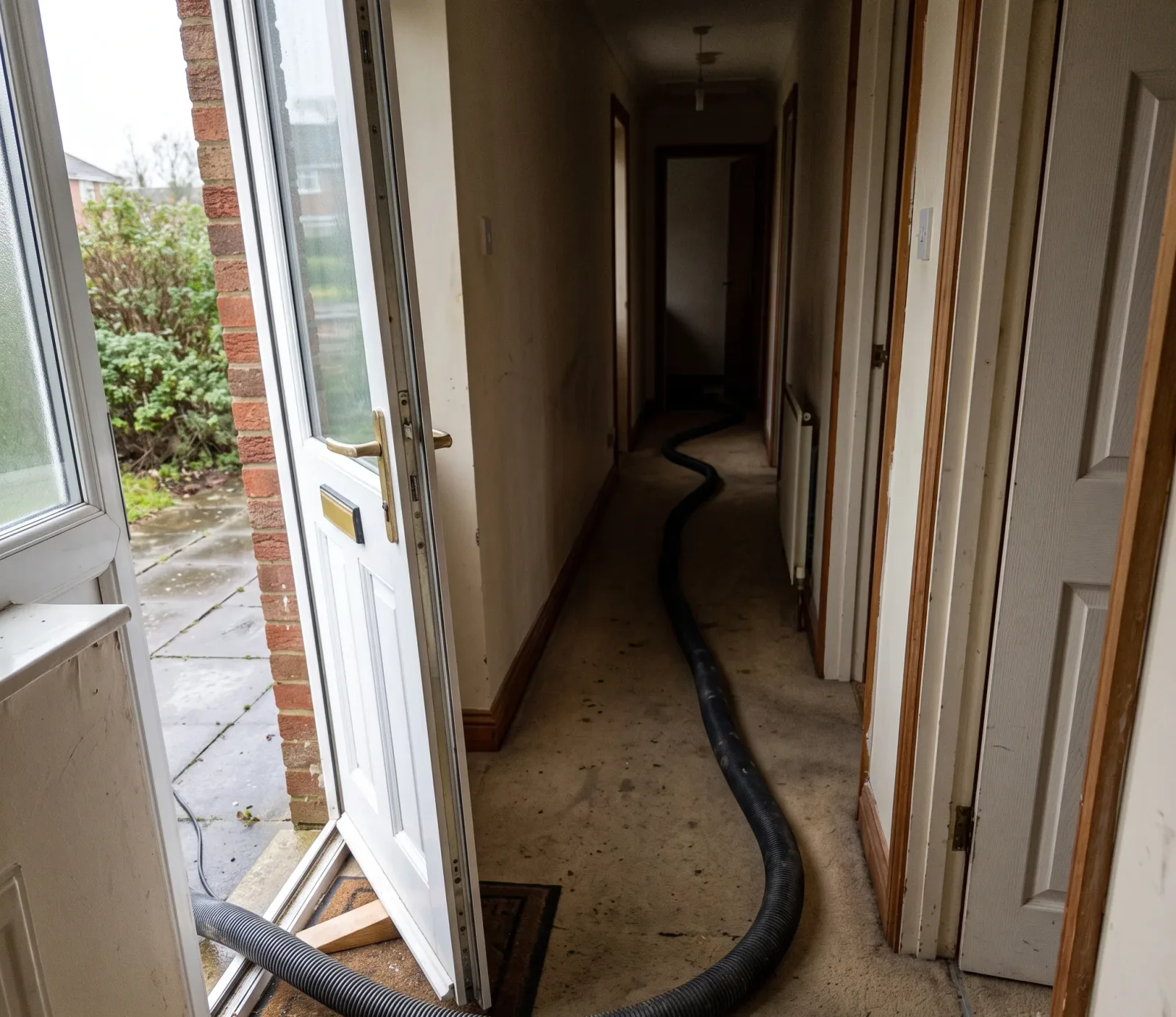
Plan healthcare water extraction around room access, clinical operations, and one clearly defined scope for each affected address.
Healthcare facilities should map affected rooms, set access limits with facilities and clinical operations, and identify routes that must remain open. Ask for a separate extraction scope for each address, with drying and restoration handled as distinct follow-up work.
Moisture can remain beneath flooring after visible water is removed, so affected surfaces may need a closer check. When several addresses are involved, the work plan also needs to show what belongs to each site and what can be coordinated across them. For a medical facility water emergency in Centennial, start by identifying affected areas with facilities and clinical operations. Then ask the pros we connect you with to discuss access, extraction limits, and a shared scope for the addresses involved.
A useful first step is a site-by-site list of where water is visible, which entrances are usable, and who can authorize access. If your organization has affected addresses in Centennial and near Park Meadows Retail Resort, keep each location distinct while arranging one documented extraction scope across them. That makes it easier to see which areas are included, where work may be delayed by access limits, and what remains outside the removal itself. Confirm internally who will coordinate facilities and clinical operations at each address.
Water on a corridor floor may look like a small problem until staff explain that the route serves patient movement or supplies. In Centennial, ask clinical operations which nearby activities depend on the affected area, then have facilities identify alternate access and restricted doors. This information helps the pros we connect you with plan where to enter, stage equipment, and remove standing water without assuming a room can simply be closed. Keep care decisions with your facility team; extraction planning needs to fit the restrictions they set.
Before anyone enters a wet room, establish who has checked whether it is safe to approach. Water near outlets, powered equipment, or wiring can create an electrical hazard; if safety is uncertain, keep people out and seek qualified guidance. For a Centennial facility, the access plan should tell staff which route is closed and who can clear the area for work. Do not direct clinicians or patients through standing water while arrangements are being made. Safety boundaries come before extraction speed.
A room may need tighter controls than an open service corridor. Your clinical and facilities leads can identify doors that must remain secured, equipment or records that should not be disturbed, and any movement restrictions the provider needs to follow. At a Centennial address, put those limits into the work discussion before equipment arrives. The pros we connect you with can then clarify the path to the water and the work area, while your staff decide how the affected space relates to ongoing operations.
| Site | Access | Scope |
|---|---|---|
| Map cue | Centennial entry point | Park Meadows Retail Resort vicinity |
| Address record | Building and wing | Highlands Ranch Library vicinity |
| Clinical coordination | Escort and badge rules | Approved entry and route |
| Restricted access | Open patient areas | Protected clinical pathways |
| Affected areas | Facilities contact | Clinical operations contact |
| Downtime planning | Rooms with visible water | Adjacent areas to avoid |
| Extraction boundaries | Pumps or wet vacuums | Standing water only |
| Address grouping | Moisture assessment | Drying or cleaning separate |
A multi-site plan works best when each address has its own clear boundary within the shared scope. For example, an organization coordinating a Centennial site and another near Interlocken Business Park can identify the affected rooms, the visible water, and the access contact separately for each location. The combined scope can then show which removal tasks are included at both sites and where conditions differ. This is more useful than treating several buildings as one large, indistinct job.
Ask how the provider will distinguish areas that are ready for access from rooms that remain restricted. A map, room list, or marked floor plan can help the facility team and the pros we connect you with refer to the same boundaries, especially when more than one Centennial address is involved. Keep the naming consistent from the first call through the work discussion. That simple step can prevent a room from being missed or an uninvolved area from being treated as part of the extraction scope.
The visible edge of a water pool does not always show where water has traveled, so identify concerns beyond the wettest spot. Facilities staff may notice water under a doorway, a damp threshold, or water near a wall shared with a sensitive room. At your Centennial site, flag those observations for assessment rather than assuming they are all included in standing-water removal. The provider can explain what can be extracted and what needs separate evaluation after the visible water is gone.
Equipment access can shape the sequence of work. A pump or wet vacuum may be suitable for standing water, but the path to the area, available working space, and restrictions around occupied rooms all matter. For a Centennial facility, tell the provider about controlled entrances, narrow routes, and times when a corridor cannot be used. These details help the pros we connect you with discuss practical equipment placement and movement without taking over clinical decisions about room use.
If several addresses are affected, decide who can confirm completion of water removal at each one and who receives updates when a boundary changes. For a Centennial operation coordinating a separate location near Broomfield Community Center, one contact may keep the overall scope aligned while a local facilities contact handles room access. Spell out those roles before work begins. Clear handoffs reduce the chance that staff mistake an extraction update for approval to reopen a space.
Extraction addresses pooled water; it does not establish that floors, walls, or other materials are dry. After the visible water is removed, moisture checks can help identify materials that may need drying equipment. At a Centennial site, ask the provider to state where extraction ends and any later assessment or drying begins. This distinction matters when clinical operations are deciding how to manage a room. Water removal, drying, cleaning, and restoration are different work scopes, even when they follow the same incident.
Commercial water extraction cost shifts with water volume, access, and the number of affected addresses. In Centennial, healthcare water extraction planning starts with facilities and clinical operations agreeing which rooms must stay open and which can be released. Tell the pros we connect you with about protected routes before they set an extraction scope. If sites near Englewood mailing area, Swedish Medical Center, or Littleton mailing area are involved, request one scope organized by address so access limits do not disappear in a regional summary. Standing-water removal leaves drying, cleaning, and restoration as separate decisions.
A shared scope should be easy for your team to review: affected address, rooms or zones, access limits, removal tasks, and any unresolved question that could change the work. Keep observations specific, such as water visible at a doorway or a route staff have closed, rather than promising that an area is dry. For a Centennial facility with more than one affected address, this structure helps facilities and clinical operations see what connects the sites and what remains unique to each one.
Once the access boundaries and site list are ready, coordinate internally and ask an independent extraction provider to discuss constraints and scope. The pros we connect you with can explain how they would approach standing-water removal at the identified areas; your facility team can decide what access is permitted and how operations respond. Which addresses belong in the same extraction scope? After water is removed, what assessment or drying decision will your team need to make before treating an area as ready?
Healthcare water extraction cost can shift when access windows, escorts, and room restrictions differ from one address to another. During a medical facility water emergency, have facilities and clinical operations agree which areas can be entered, which routes must stay clear, and who can pause work if care needs change. The licensed pros we connect you with can note moisture in materials beyond visible puddles, helping clarify what extraction should address first. Ask them to separate standing-water removal from later drying, cleaning, or restoration.
Homes and businesses with standing water can check whether extraction is offered in their part of the county, with coverage extending toParker, Englewood mailing area and Littleton mailing area. Confirm any travel fee before scheduling, and ask for a written estimate that distinguishes urgent water removal from separate drying work.
For a commercial site, the estimate usually reflects each visit, the size of the area needing water removal, and how often service is required. Treat $700–$1,400 as a guide: water volume, room access, and requested moisture checks or drying all affect the written scope.Water near electrical equipment or machinery can affect how removal is approached, so mention nearby hazards and sensitive contents when discussing the work with the licensed pros we connect you with. When you call, describe the space, standing water, access limits, and any active water source so the pros we connect you with can provide a written estimate.Full ranges are listed in the pricing guide; the commercial overview describes urgent water removal and possible follow-up for moisture left behind.
Restaurant Water Removal
Centennial Hotel Water Removal
School Water Extraction
Start by having facilities and clinical operations mark which rooms are occupied, restricted, or available for entry. In Centennial, tell the pros we connect you with about patient traffic, equipment access, and any route that must stay clear. Agree on who can authorize entry and how a work area will be separated from ongoing care. If access changes during the response, update the site contact before the work proceeds.
Make an address list and assign a site contact for each location before discussing the work. A network with a Centennial building and another site near Fitzsimons Innovation Community should have separate affected-area notes and access instructions for each address. Ask the pros we connect you with to describe the proposed scope by site, so scheduling and operational impacts can be reviewed location by location.
Extraction addresses pooled water in the affected area, using equipment such as pumps or wet vacuums when appropriate. It does not include every step that may follow. In Centennial, ask the pros we connect you with to distinguish standing-water removal from moisture checks, drying equipment, cleaning, and restoration. That boundary helps facilities staff plan follow-up work without treating a cleared floor as proof that the building is ready for normal use.
Yes, but the facility must define what access is safe and workable before equipment enters. Identify the rooms, corridors, and entrances that can be used, and tell the pros we connect you with which areas must remain available for care. In Centennial, set a site contact who can coordinate with clinical operations if those boundaries need to change while water removal is underway.
Coordinate affected-area access with facilities and clinical operations, then ask an independent extraction provider to discuss scope by address.
Call (303) 647-3932