When Is It Safe to Stay Home?
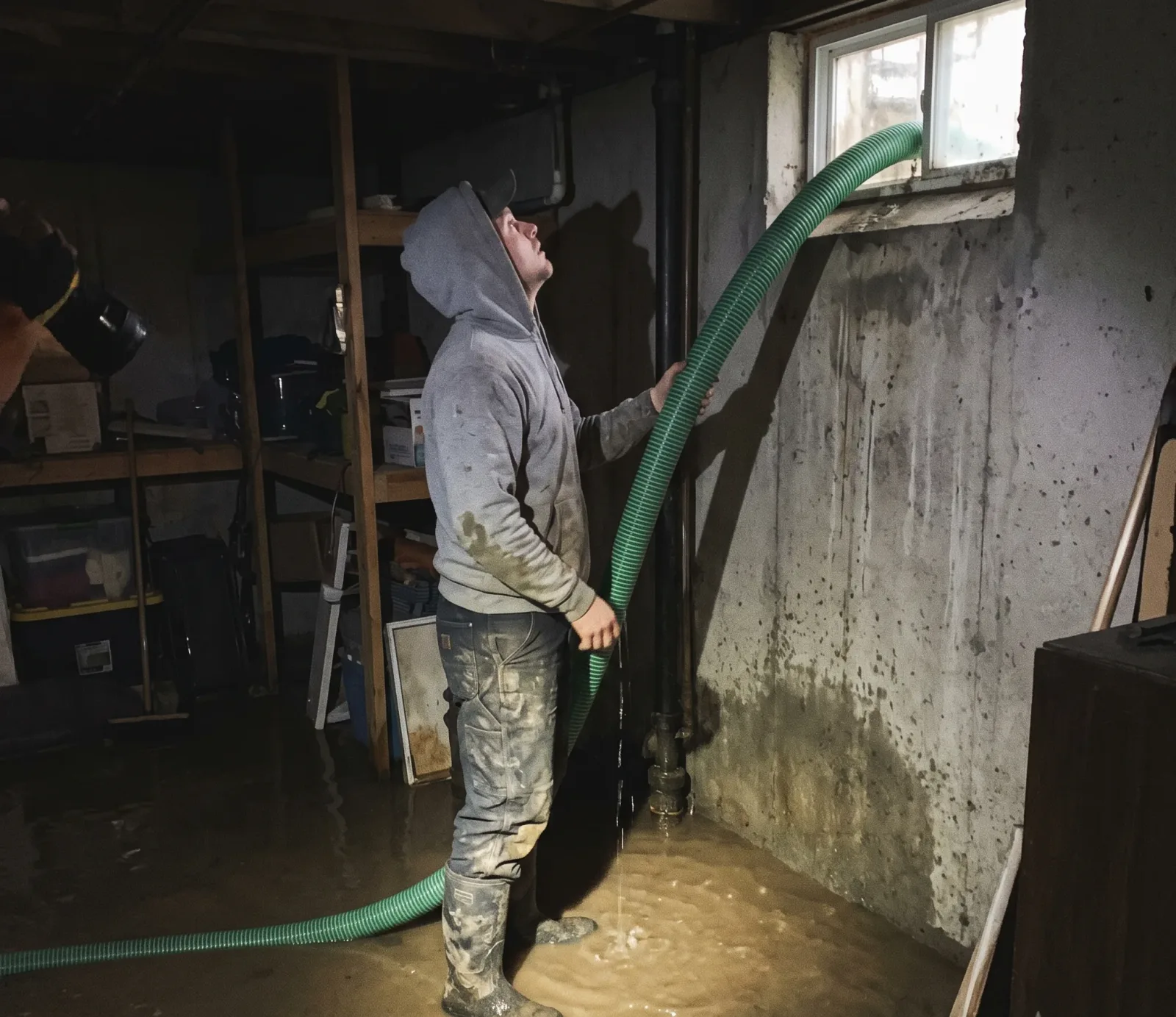
For a Centennial home, the estimate can shift with the affected rooms, access, and time on site; whether you can remain is a separate safety decision. You may hear equipment running and see parts of the home set aside while standing water is removed. Staying home during water extraction can work when the pros we connect you with say occupied areas are safe and usable. This page looks at that call, the disruption to expect, and how to agree on boundaries before work begins.
There is no single yes-or-no rule for every Centennial house. Water damage safety depends on what is wet, whether electrical equipment or outlets may be affected, and whether the work area can be kept apart from your living space. Ask the independent professional assessing the loss which rooms are safe to occupy and what conditions would change that answer. If electrical safety is uncertain, keep clear of the affected area and seek qualified help; do not rely on a dry-looking path as proof.
Expect Noise and Changes to Access
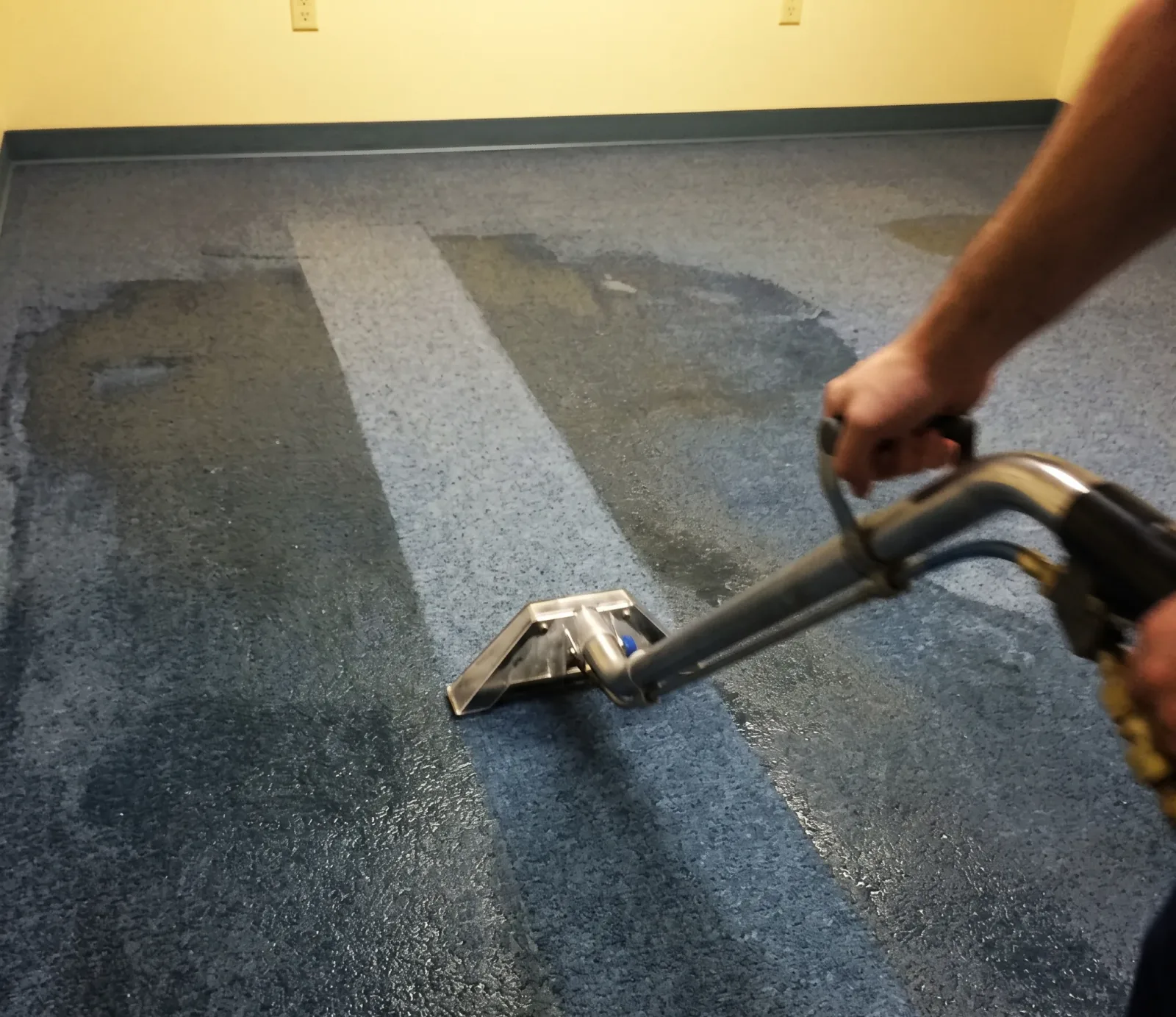
Pumps and wet vacuums can be loud enough to interrupt calls, sleep, or a child’s quiet time. In a Centennial home with an open floor plan, sound may carry beyond the room where work is underway. Ask which hours are likely to be busiest and whether a quieter room will remain available. If someone must work or rest at home, share that before the schedule is set. A realistic plan can help you decide whether staying is manageable for the household.
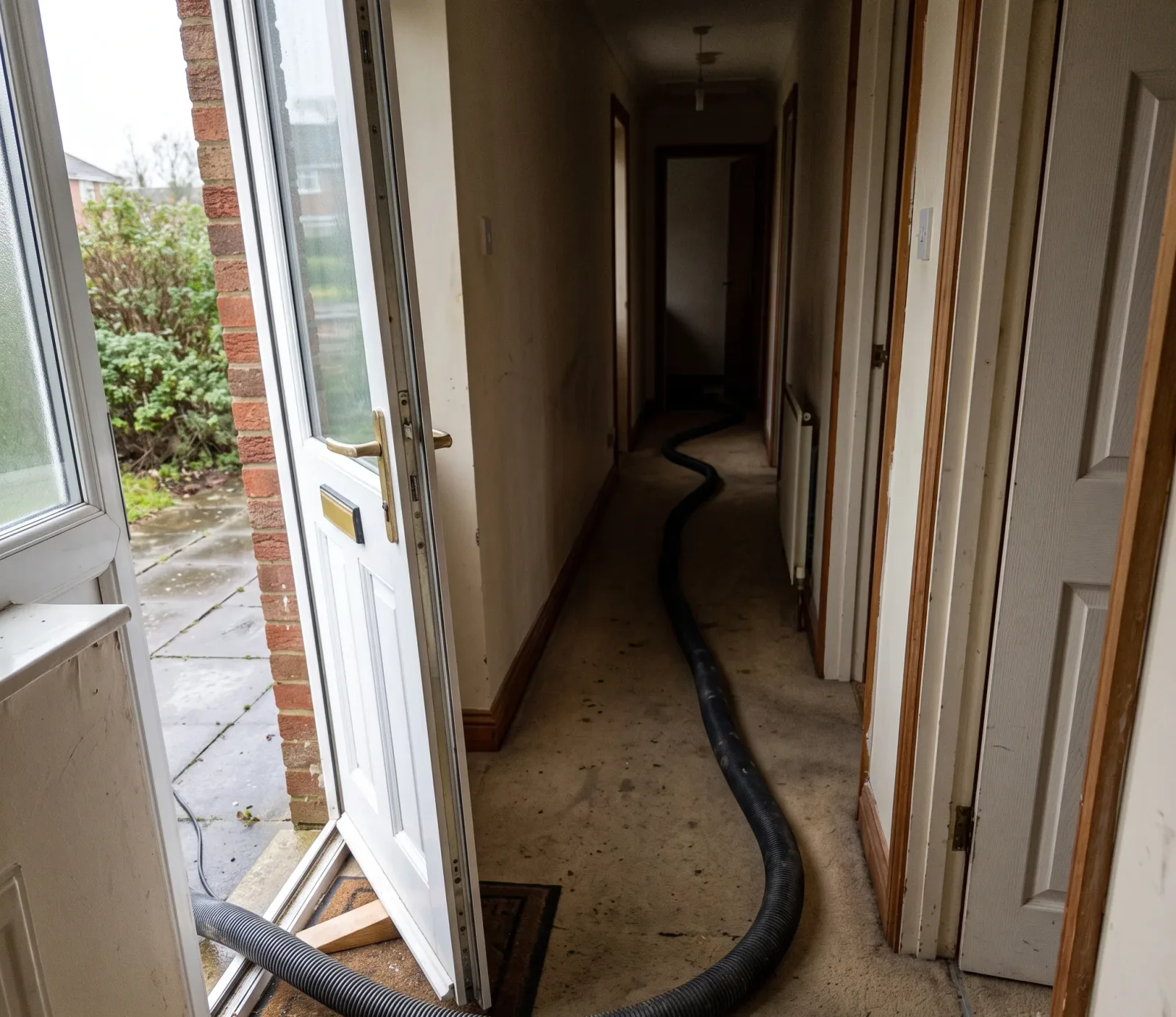
A hallway or doorway you use every day may become part of the work area, and equipment or hoses can narrow the route through a Centennial home. Before extraction starts, ask which entrance and rooms will remain available, and where household members should avoid going. Agree on a safe route with the assessor rather than stepping into a restricted area to retrieve something. If no practical route remains for children, older adults, or anyone with limited mobility, ask whether leaving during that part of the work is safer.
Account for Household Health Needs
Noise, unfamiliar workers, and limited access can be harder on someone who is ill, recovering, or sensitive to disruption. Tell the professional assessing your Centennial home about needs such as medication access, quiet rest, or help moving between rooms. The pros we connect you with can explain which areas need to stay clear and whether a household member can remain elsewhere in the home. A relative returning from Swedish Medical Center or Anschutz Medical Campus may need a quieter plan; raise that before work begins.
Your calendar matters too. If someone in the household has an appointment at Swedish Medical Center, a planned visit to Anschutz Medical Campus, or an outing to Highlands Ranch Mansion, tell the assessor who will be home and when. That helps the conversation stay practical: which parts of the Centennial home are occupied, when access is needed, and whether the work schedule can accommodate it. Do not assume a room will be usable just because it is outside the visibly wet area; ask for a clear, specific answer.
Agree on Work Areas and Timing
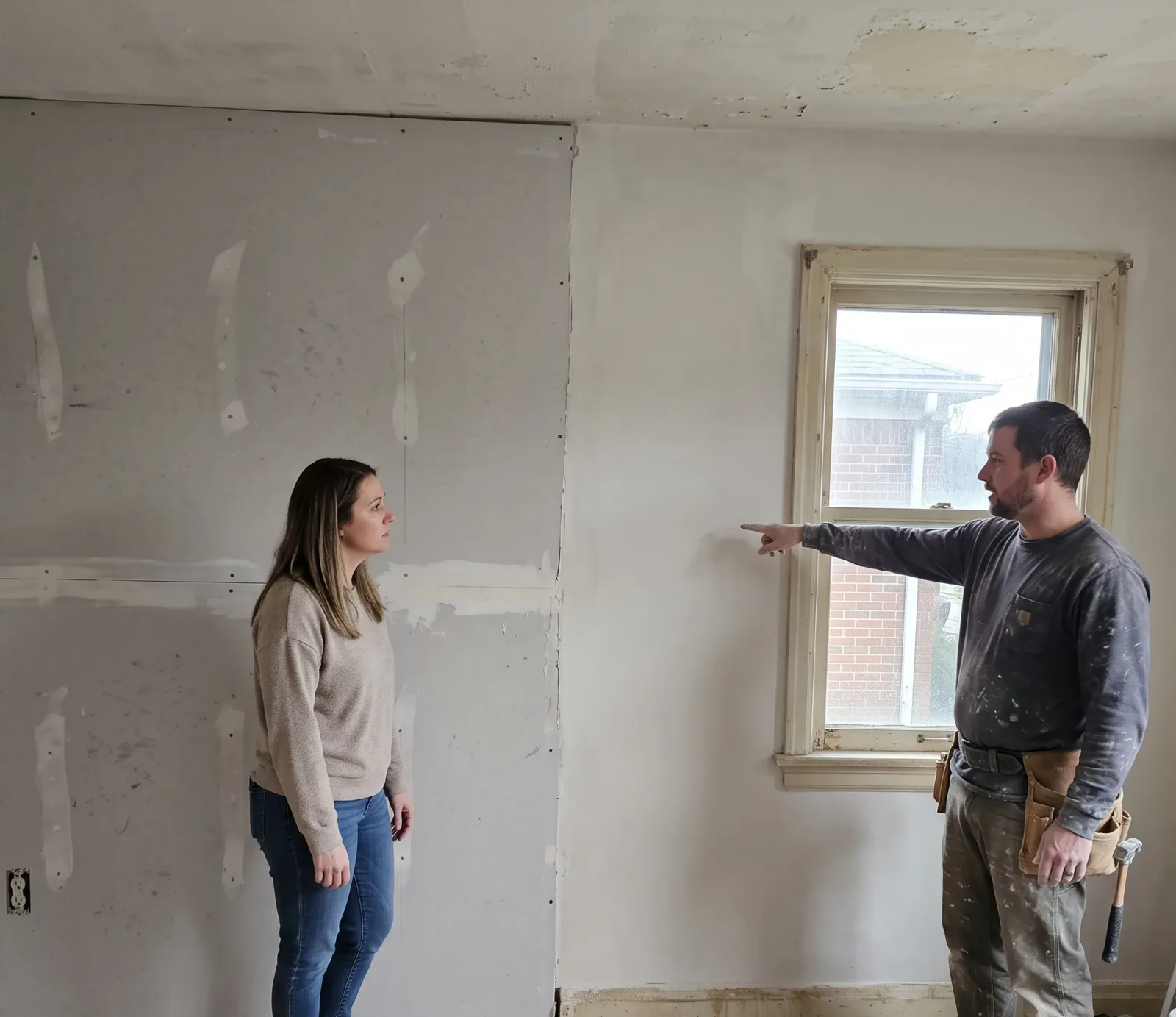
Before the pros begin, walk through the plan verbally with the person assessing your Centennial loss. Ask which rooms are off limits, where equipment will be placed, who to contact if a boundary is unclear, and when the household should expect changes to access. The aim is a simple shared understanding, not a promise that every room will stay comfortable. If the agreed living area cannot be separated from the work zone, ask what alternative they recommend before deciding to stay.
A plan can change if the assessor finds a new affected area or an electrical concern while work is underway. Ask what signs mean you should leave the occupied part of your Centennial home and whom to notify. If water may have reached outlets or equipment, stay out of the affected area until qualified help says it is safe. When conditions are uncertain, make the occupancy decision with the independent professional assessing the loss, and revisit it if the situation changes.
Dealing with standing water at your home?
Cost depends on water depth, spread, and room access, so get an estimate before work starts. Centennial basements and ground-floor businesses need standing water removed; pumps or wet vacuums do that work. For an address in the Englewood or Littleton mailing area, verify jurisdiction and service coverage directly. Call (303) 647-3932 to ask about availability, timing, and visit charges. Clarify whether the estimate covers extraction only: remaining moisture may need drying, while source repair, remediation, or rebuilding are separate scopes. Water can remain beneath flooring after standing water is removed.