Healthcare Facility Water Extraction
Healthcare Water Removal
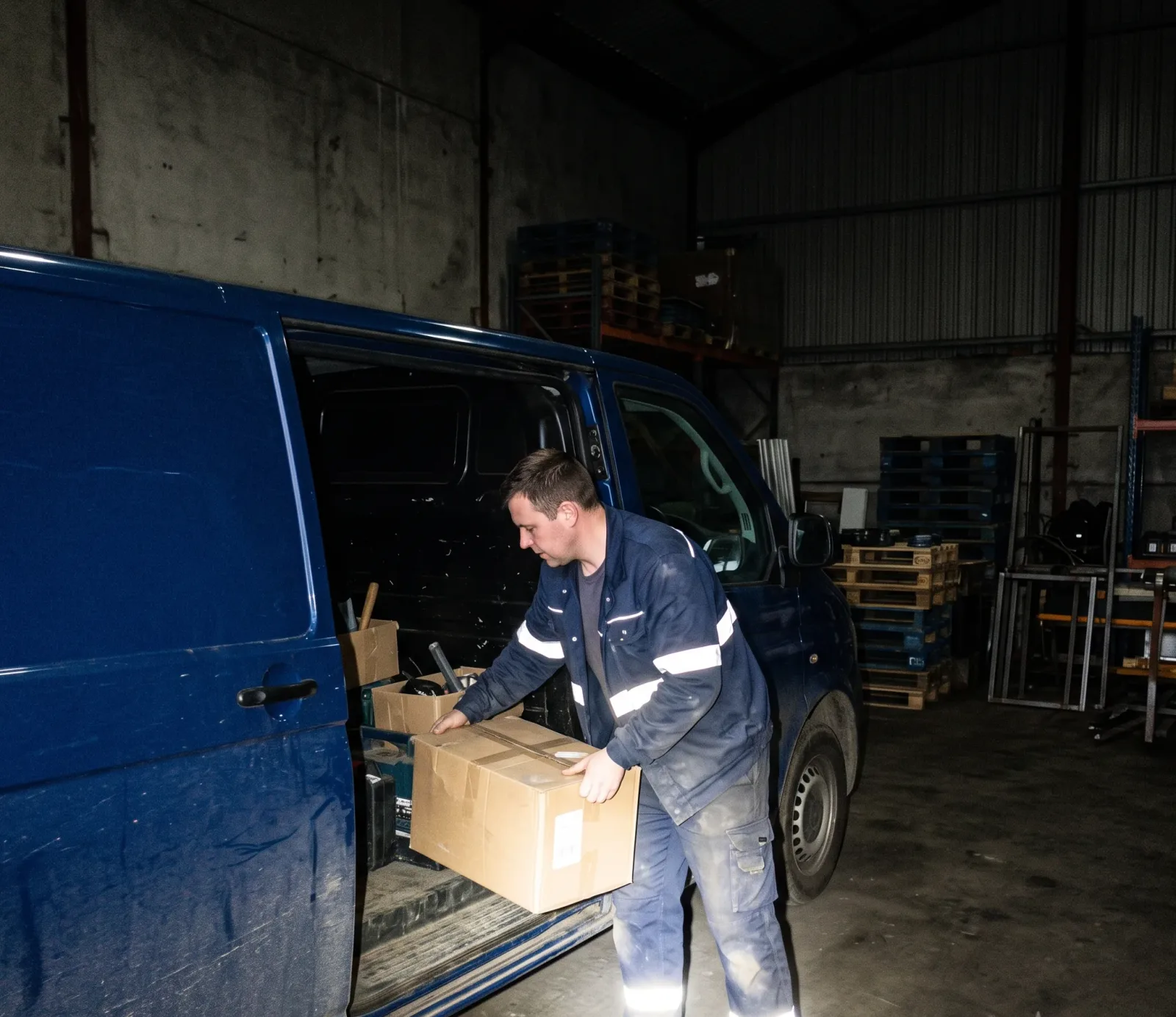
Plan warehouse water extraction around wet floor zones, inventory, equipment access, and facility operations in Centennial.
Before mapping the floor, check whether water is still entering and note any apparent source, since that can affect the cleanup plan. In Centennial, clarify which areas the proposed work includes before operations resume there.
Commercial water extraction cost depends on how much of a facility is affected, how water is spread across the floor, and what must stay protected or accessible. In Centennial, start with a simple floor map: mark visible water, damp or blocked zones, drains, equipment, inventory, and usable entrances. A broad wet area and a narrow aisle between racks create different access needs. This first picture gives the pros we connect you with a practical basis to discuss scope and helps you identify what a lease, insurer, or inspector may ask you to record.
Water can run beyond the spot where a leak or intrusion first appeared. In a Centennial warehouse, note each affected bay, aisle, staging area, and low point separately; mark where the water is visible and where access is uncertain. A map that uses the facility’s own labels is easier to compare with a walkthrough than a general description such as “the south side.” If you use Park Meadows Retail Resort as a regional map reference, keep it distinct from the affected property address and its actual entrances.
The sound of a conveyor, forklift, or production line tells you which routes may still be active, but it does not establish that a wet area is safe to enter. In Centennial, mark operating equipment, stored goods, restricted aisles, and any route that must remain clear. Tell the pros we connect you with what can be paused, moved, or reached only with an escort. That coordination can shape where extraction starts and how work is sequenced; it also gives your facilities team a clearer basis for planning downtime.
A facilities contact who knows the floor plan can walk through the affected zones with the extraction provider and point out gates, loading access, shutoff locations, and areas that cannot be blocked. In Centennial, assign one person to answer questions about access and another to coordinate inventory or equipment decisions if needed. Agree on the work boundary before removal begins: which marked areas are included, which remain inaccessible, and what would prompt a scope discussion. Clear boundaries help operations staff, a landlord, or an insurer understand what the work covers.
Water near outlets, wiring, powered machinery, or control panels can pose an electrical hazard. If you hear equipment still running in a wet zone or see water around electrical components, keep people out and seek qualified help before access is allowed. For a Centennial facility, mark the suspected hazard on the floor map and tell the provider where it is; do not send staff through standing water to check the area. That safety constraint can change which routes are available and where the pros we connect you with can begin.
| Floor zone | Equipment or stock | Access limits |
|---|---|---|
| Floor zones | Standing water and wet edges | Area size and separated pockets |
| Area map | Fixed machinery and control areas | Clearance and safe access |
| Site constraints | Pallets, racks, and stored goods | Move, protect, or isolate items |
| Travel lanes | Aisles and forklift routes | Clear paths for extraction equipment |
| Loading bays | Dock, threshold, and staging areas | Delivery access and equipment placement |
| Work areas | Active production or quiet windows | Plan access and downtime |
| Lease requests | Notice and approval contacts | Confirm who needs an update |
| Insurer or inspector | Requested scope and site records | Ask what details they expect recorded |
Lease terms, an insurer, or an inspector may ask you to explain which parts of the Centennial facility were affected, what water removal covered, and what concerns remained afterward. Record the site address, affected-area labels, visible conditions, and who approved access or operational restrictions. Ask the pros we connect you with what written scope and work notes they can provide. Keep those records tied to the facility’s own floor map so a later reviewer can follow the boundaries without mistaking a nearby regional landmark for the property itself.
Photos taken from safe, repeatable viewpoints can help show how the affected area changed during work. In Centennial, label each image with its floor-map location and note when access was restricted or inventory was moved, if that information matters to your review. Ask whether moisture readings are part of the proposed work record, and how any reading relates to the area checked. A reviewer may need to distinguish visible water removal from a later moisture assessment; one does not establish that the building materials are dry.
Write down the questions that belong to different parties before work starts. Your landlord may want to know which leased areas were affected; an insurer may ask for the removal scope; an inspector may focus on access or remaining concerns. For a Centennial site, route those questions to the appropriate contact and ask the extraction provider to clarify what its work record will cover. Extraction removes standing water. Source repair, sewage or chemical cleanup, mold remediation, and reconstruction are separate scopes and should not be assumed from a water-removal estimate.
A pump or wet vacuum may be used to collect standing water, depending on the affected area and access. On a large Centennial floor, the useful planning question is where each method can reach without crossing a restricted aisle or disrupting equipment and stock. A provider’s walkthrough can compare the mapped zones with practical entry and hose routes. Ask which areas are included and how a blocked route changes the plan. The equipment choice matters to access and sequencing, while the map helps everyone track the boundaries of water removal.
Inventory does not all carry the same operational importance. In Centennial, identify goods that cannot be moved, items that need a clear path for handling, and equipment that must remain available for operations. Then ask the provider and your facilities contact to agree on a workable sequence around those constraints. If a reference point such as Interlocken Business Park appears on a regional routing map, label the actual Centennial site and entrance separately. The affected building—not a broad service area—sets the access plan and the scope discussion.
When the pooled water is gone, damp floors or materials may still need attention. For a Centennial facility, ask whether a moisture assessment is proposed after extraction and which areas it would check. Drying equipment may be set afterward to address moisture left in materials, but its placement can affect aisles, power access, and daily operations. Treat that as a follow-up planning conversation with the provider and your site contact. Water removal by itself does not confirm that the property is dry or ready for normal use.
The visible water may not tell you where it came from, whether the source is still active, or whether the water may contain sewage or chemicals. In Centennial, report what you know before work is scoped; do not describe uncertain water as clean. Ask the appropriate qualified party to address an active leak or safety concern, and tell the extraction provider if contamination is possible. Source repair and contaminated-water cleanup involve separate scopes. Keeping those boundaries clear can help avoid a mismatch between the requested work and what the facility needs.
Downtime planning works best when it follows the floor map. In Centennial, mark which aisles can close, which routes must remain open, and who can authorize a temporary change if extraction reaches an unexpected area. Share the agreed sequence with operations staff, then note any change that affects access or the work boundary. This gives a landlord, insurer, or inspector a clearer account of why a zone was handled when it was. It also helps your team decide what needs a separate operational or repair discussion before reopening that area.
Before contacting an independent extraction provider, prepare the facility address, a basic map of visible water and access limits, and a short list of equipment or inventory constraints. In Centennial, ask the pros we connect you with to walk through scope, entry routes, documentation, and what may need separate follow-up. If a regional reference like Broomfield County Commons is on your internal map, keep it separate from the affected site details. The next useful question is which areas can be reached safely and included in the proposed removal work.
Commercial water extraction costs depend on the affected floor area, surface materials, access routes, and how much inventory or equipment limits the work. In Centennial, a floor plan marked by aisle, dock, and wet zone gives the pros we connect you with a clearer starting point. Note where forklifts, fixed machinery, and stored goods restrict hose paths or staging. A separate work window may matter if staff need safe routes through the building. Ask for the proposed extraction boundaries before work begins so operations staff can coordinate around them.
To find out whether your property is within reach for urgent water removal, review the communities served for this kind of work, includingLone Tree, Parker and Littleton. If your property may be outside the usual area, ask about visit charges and get the extraction scope and any later drying itemized in writing.
For commercial properties, extraction is generally quoted per visit, with the affected area and how often service is needed shaping the scope. $700–$1,400 offers a guide; water volume, access around equipment, and whether moisture checks or drying are requested can change the written estimate.Water near electrical equipment or machinery can affect how removal is approached, so mention nearby hazards and sensitive contents when discussing the work with the licensed pros we connect you with. When you call, describe the space, standing water, access limits, and any active water source so the pros we connect you with can provide a written estimate.Full ranges are listed in the pricing guide; the commercial overview describes urgent water removal and possible follow-up for moisture left behind.
Healthcare Water Removal
School Water Extraction
Restaurant Water Removal
Commercial water extraction cost depends on the wet floor area, obstacles, and access for equipment. For warehouse water extraction in Centennial, mark pooled water, damp edges, drains, and any active entry point on a floor plan. Label aisles, machinery, and inventory that need clearance, then note safe routes to each affected zone. If useful for directions, identify whether the facility is near Park Meadows Retail Resort, Interlocken Business Park, or Broomfield County Commons. Ask the provider to confirm the mapped work area and record the agreed scope for review.
Yes, access can be planned around operating areas. Identify active equipment, restricted aisles, and inventory that should not be moved, then agree on routes for people and extraction equipment. In Centennial, a warehouse supervisor can mark which sections need to remain open during work. The provider can discuss whether the affected zones can be handled in stages and what areas must be cleared before extraction starts.
The estimate can change with the wet floor area, surface type, depth of pooled water, obstructions, and the access available to the work area. A clear Centennial floor map helps show whether racks or machinery divide the affected space into separate zones. Ask which locations and tasks the estimate includes, and flag any areas that staff cannot open during the proposed work window.
Before work, check what your lease, insurer, or site inspector expects you to record about the incident and the affected areas. Keep the floor map aligned with the provider’s agreed work boundaries, and note any operational limits that changed access. In Centennial, share the same site identifiers with facilities staff and the outside parties reviewing the response so they can follow which zones were involved.
Bring your marked floor plan and operating constraints to a site discussion, then agree on work boundaries and timing before extraction begins.
Call (303) 647-3932