Reading Moisture After Extraction in Centennial
Subfloor water extraction costs vary with affected materials and areas; readings help show where moisture may remain after visible water is gone.
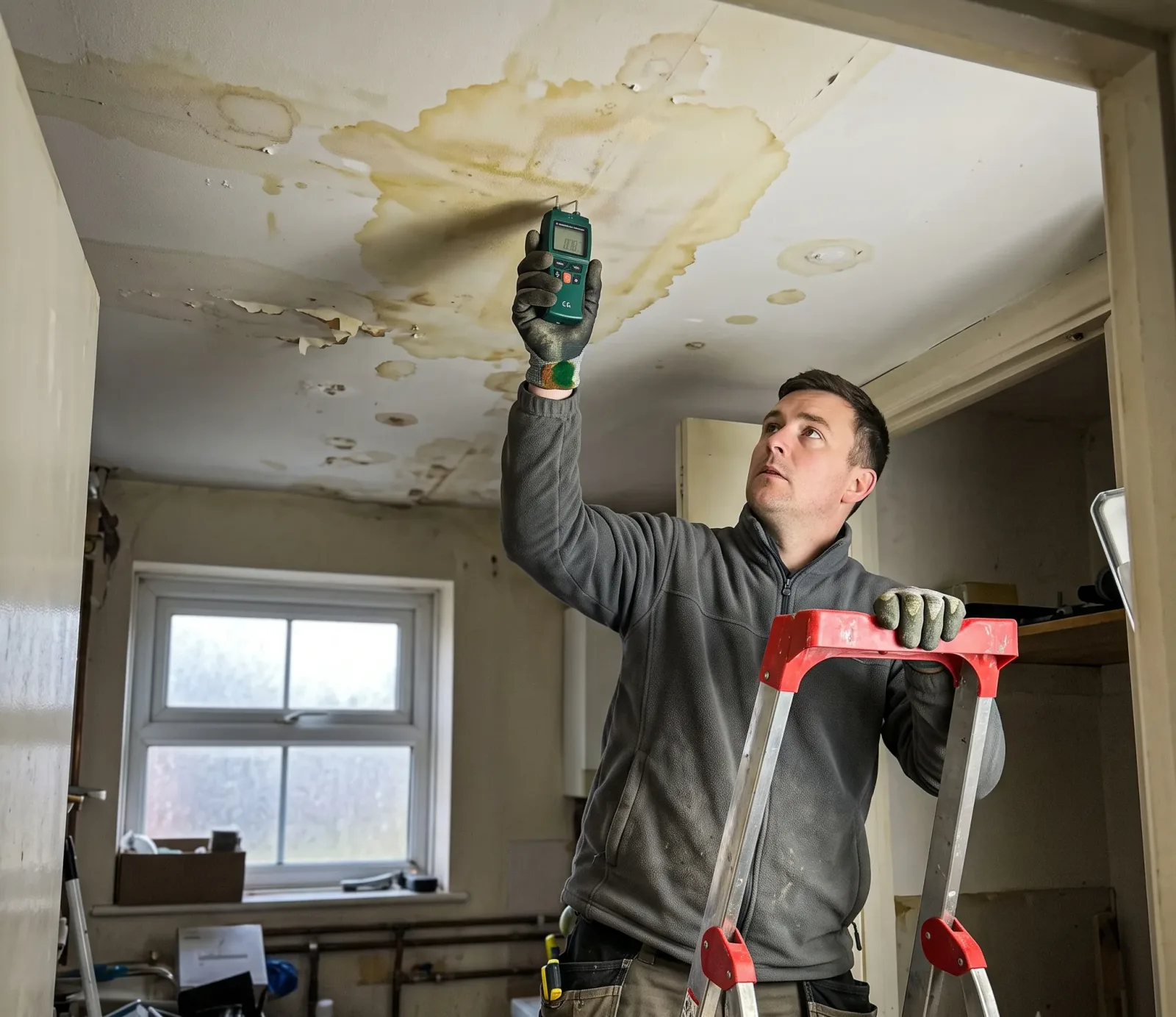
After extraction, a water damage moisture meter can flag damp spots that are not visibly wet, such as a floor edge or lower wall. Treat each reading as a clue: material and meter type affect results, so ask what was checked and what needs follow-up.
Start With Visible Signs
The cost of checking after subfloor water extraction depends on which materials and areas need readings and how accessible they are. Start with what you can see: water has been removed, but a floor may still look dark, feel cool, or show a dull sheen. In a Centennial home, those signs tell you where to look first; they do not prove how far dampness extends. A water damage moisture meter adds readings at selected surfaces and materials, giving the pros we connect you with another way to compare what appears dry with what may still need attention.
Next, note the material being checked. A meter reading from wood flooring cannot be treated as though it came from concrete or another finish; the material affects what the device registers. Ask which surfaces were tested and whether the instrument was set for that material. Near Highlands Ranch Library, for example, a homeowner might see a dry-looking floor beside a visibly marked area. Readings from both areas provide context, but only when the materials and measurement method are clear.
Then compare readings across affected and apparently unaffected areas of the same material. A higher reading in one spot than in a nearby reference area can flag a place for closer assessment after standing water is gone. The number is useful as a comparison, not a verdict on its own. In Centennial, moisture readings after extraction may help show where attention should continue, while the visible condition, material type, and measurement location help explain what the numbers mean.
Readings Need Material Context
Look at the pattern the checks create. If readings remain elevated across several points in a floor, the concern may extend beyond the spot where water pooled. If one point differs while nearby checks are lower, that location deserves a closer look. Neither pattern identifies a cause by itself. Around Burger Recreation Center, a basement floor after a plumbing leak could look mostly normal once water is removed; taking and recording readings in a consistent sequence helps distinguish that appearance from the measured results.
Notice whether the meter checks the surface or uses probes that contact the material. Different meter designs gather information in different ways, and some readings can be affected by metal, salts, or the finish on a surface. A number without its method can be hard to interpret. Ask the pros we connect you with where each reading was taken and what may affect it. For a Centennial property, that detail helps you compare results without treating every material as if it responds alike.
Keep the order simple: observe visible water and marks, identify the material, take readings at chosen points, then compare them with readings from a suitable reference area. This sequence makes the observations easier to follow later. A written record should pair each result with its location and material, rather than leaving a string of numbers without context. Readings from nearby points can help show whether moisture extends beyond the area where visible marks appear.
What Meter Results Cannot Prove
A meter has limits. It samples particular points, so a low reading at one spot does not establish that every nearby part is dry. Readings can also vary with the material, surface coating, and device settings. After extraction, treat results as evidence for deciding where to look more closely, not as proof that the property is dry or restored. In Centennial, that distinction matters when a floor looks unchanged to the eye but the readings differ between the wet area and a comparison point.
The sound and feel of a room can guide the inspection too: a soft footfall, a musty odor, or a cool patch may prompt more checks, but none gives a moisture reading. Pair those observations with instrument results and note where they occurred. If findings do not line up, ask what else could influence the meter and whether another assessment method is appropriate. A house near Historic Downtown Golden is a useful example of why material and location notes matter: the name of the place adds no meaning to a reading unless the checked surface is identified.
Use Findings to Guide Assessment
After the readings are compared, ask how they shape the next assessment step. The results may point to materials that warrant further checking or drying equipment, which is a separate part of the work from removing standing water. They do not establish that drying is complete. In a Centennial home, ask what areas remain a concern, what evidence supports that view, and how progress will be judged. Clear answers connect each observation to a decision instead of leaving you with numbers alone.
Before wrapping up, review the record with the person who took the readings. Confirm the material, location, method, and any reference points for each result; ask which findings are uncertain and what would clarify them. Keep the notes with photos or other records of the affected area if you are documenting the water removal for an insurer. A written scope can describe extraction separately from assessment and drying. For a Centennial address, that paper trail helps you track what was observed and what remains to be evaluated.
Questions to Ask About Readings
- Record each reading with its location, the material checked, and the meter method.
- Compare affected and reference areas only when the materials are suitable to compare.
- Treat readings as clues for further assessment, not proof that drying is complete.
- Ask which materials were checked and where each reading was taken, so you can connect the results to the surfaces and rooms that still feel damp.
- Compare readings from similar materials in affected and apparently dry areas; differences can point to spots that deserve a closer moisture inspection.
- Treat meter results as clues, not a blanket declaration that the property is dry; ask what the readings suggest for the next assessment.
Water Removal FAQs
How can a moisture meter find damp areas after extraction?
Readings taken at several points can be compared with readings from a suitable reference area of the same material. A higher result may identify a spot for closer assessment, even when visible water is gone. The number depends on the material, meter settings, and measurement method, so ask where each check was made and how the results guide the next step.
Should readings be compared across different materials?
A low reading at one point does not establish that every part of a floor or other material is dry. A meter samples selected locations, and surface coatings or other conditions can affect the result. Ask which materials and areas were checked, what method was used, and whether the findings call for additional assessment.
Do meter readings prove a floor is dry?
They can help identify materials that may need further assessment after standing water is removed. Repeated readings at the same locations can show whether moisture levels are changing during drying. Ask what findings support that recommendation and how progress will be evaluated.
Ask What the Readings Show
Ask the pros we connect you with which materials they checked, where readings were taken, and how those results guide the next assessment.
Call (303) 647-3932