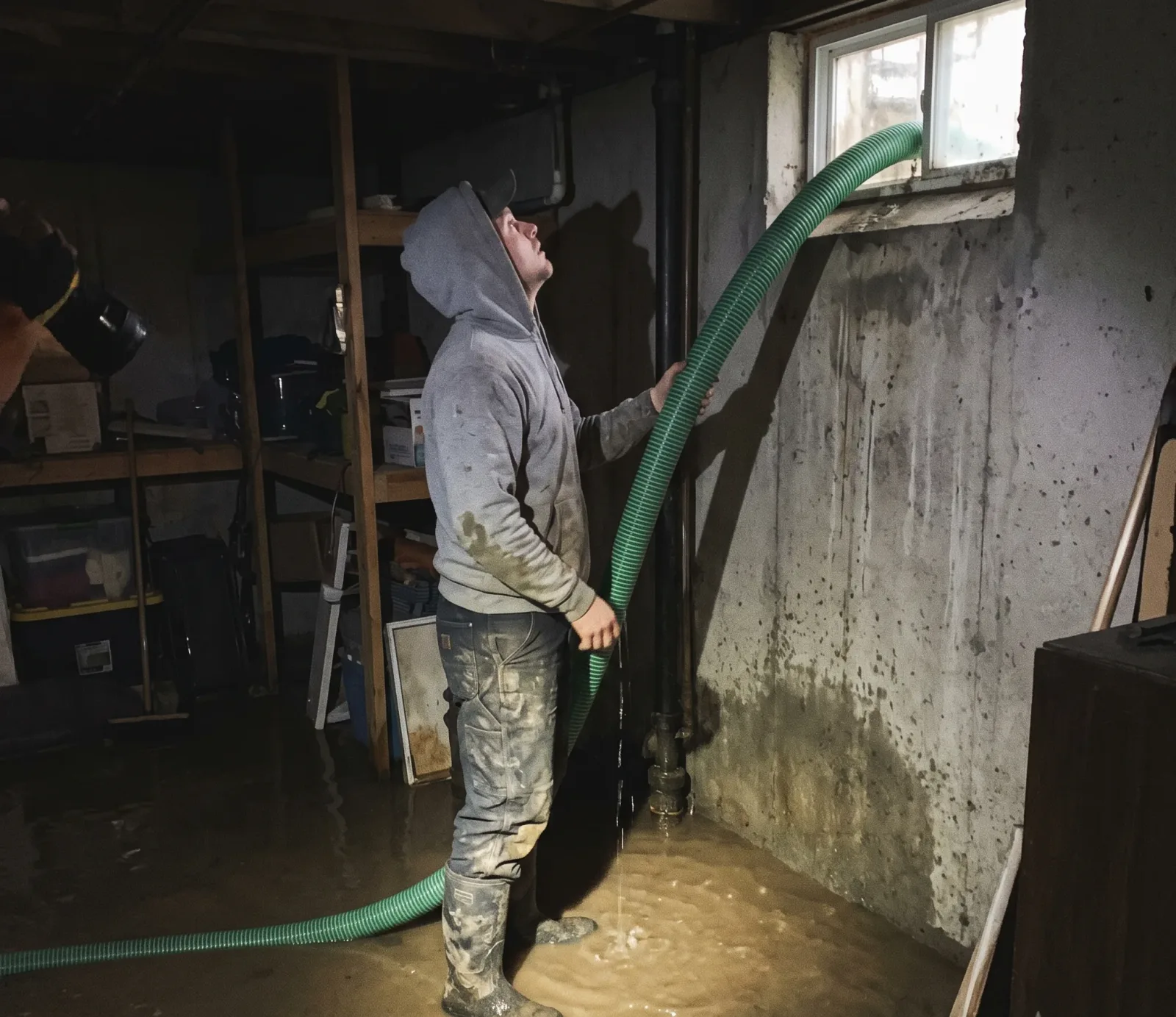
Staying During Extraction
Can you stay home while standing water is removed? Learn how safety, noise, access, and household needs shape the decision in Centennial.
Read article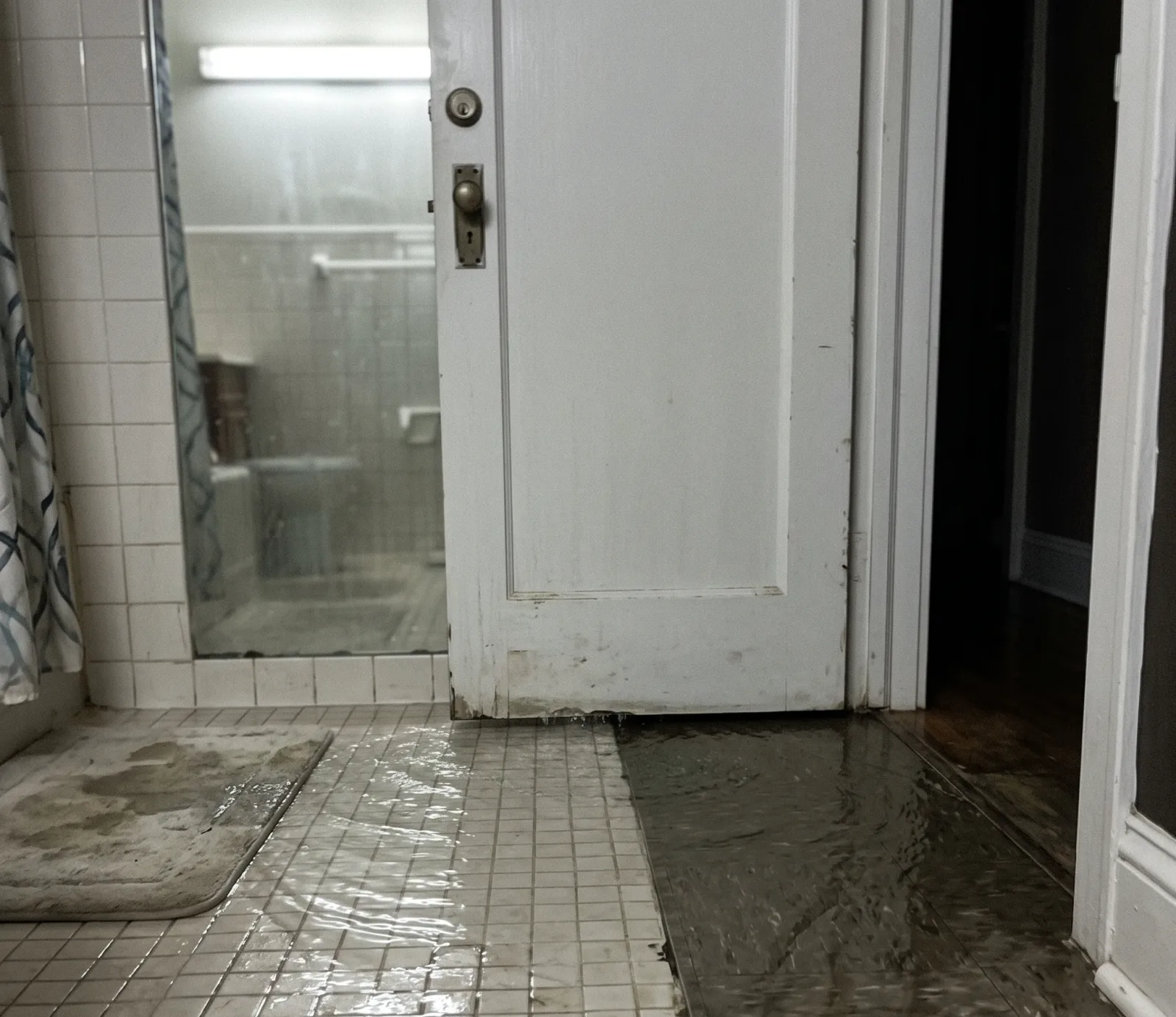
Remove pooled water from tile and check moisture at the edges
After a pipe leak or stormwater entry, you may see a thin sheet of water shining across a Centennial tile floor, with darker lines gathering at grout joints and along the room edge. The visible puddle is only part of what needs attention: water can remain at seams or in layers below the tile. Homes near Highlands Ranch Library and elsewhere in the area have different floor assemblies, so the useful first detail when you call is where the water reached and what you know about the layers below.
The estimate for tile floor water extraction depends on the wet area, how much pooled water is present, and how accessible the floor edges are. The pros we connect you with can first check the affected rooms and flooring details, then use extraction equipment on the tile surface and inspect accessible edges for signs of moisture below. In Centennial, room layout and access from the entry can affect setup time. A written scope should make clear what water removal includes and what follow-up checks are separate.
In Centennial, Tile Floor Water Extraction is scoped to the rooms and materials affected; visible water can be removed, while damp flooring may still need separate assessment and drying.
Choose residential emergency water extraction to see how extraction is handled in a residence; commercial emergency water extraction is the guide for landlords and owners dealing with a commercial property.
A reflective film across the tile may seem easy to wipe away, but water can keep collecting in low spots and along grout lines. In a Centennial kitchen or entry, note which rooms have visible pooling and whether it crosses a doorway. That helps the pros we connect you with estimate the area to extract. Water removal from tile floors addresses the standing water you can see; it does not establish whether moisture remains below the surface, so ask how that will be assessed.
Look closely at the floor perimeter, especially where tile meets a cabinet, wall, or threshold. Dampness that returns after you blot the surface can point to water collecting at an edge or moving through a seam. In Centennial, tell the provider whether the wet line is limited to one room or continues into adjoining flooring. That changes the inspection area and may change the estimate. Share any known details about the tile base or underlayment rather than guessing at what lies beneath it.
A musty smell, a floor that feels cool or damp after the visible water is gone, or moisture appearing at a nearby edge can be a reason to request a closer check. Those clues do not prove what is below the tile. The pros we connect you with can use moisture checks at accessible points and record where readings suggest damp material. If you are near the Colorado State Capitol corridor or elsewhere in Centennial, describe the affected rooms and flooring layers when arranging help.
Describe the wet rooms, visible pooling, and known floor layers; these details help define the tile area and estimate scope before arrival.
The provider checks the affected tile, room access, and reachable floor edges to plan extraction and note where moisture assessment may be needed.
Pooled water is removed from the tile surface with suitable extraction equipment, including at accessible grout lines and edges.
Accessible areas are checked for remaining moisture, and the written scope records findings and any separate drying needs.
Tile presents a hard surface, so the room can look dry once the puddle is gone while moisture remains at joints or beneath the finish. That distinction matters in Centennial homes with different tile assemblies: surface extraction is one task, while checking moisture in accessible layers is another. Tell the provider what flooring layers you know about and ask what the estimate includes. Clear scope helps you understand whether additional assessment or drying will be needed.
Centennial addresses can sit near municipal boundaries, so confirm the service location by street address when arranging an assessment. Nearby reference points such as Swedish Medical Center are outside Centennial, but can help explain the general area when you are describing where help is needed. For a tile floor estimate, the key details are the wet rooms, the amount of standing water, and whether a clear path is available to reach them. Ask for those items to appear in the written scope.
Regional weather and waterways can be part of the setting, but they do not show whether a particular Centennial home has flood damage. Describe what happened at your property and whether the water source is still active. Extraction addresses pooled water; a leak or other source needs separate attention. If the water may include sewage or chemicals, tell the provider before work begins, since that cleanup is a different scope. Photos and a written record of the work can help you share details with an insurer.
In Centennial, Tile Floor Water Extraction ranges are estimates because one wet room differs from a waterlogged lower level; the pros we connect you with confirm charges and scope in writing.
| Water's Footprint | Standing Water Removed | Materials to Dry |
|---|---|---|
| Confined area | Water removal within one accessible affected area | an estimated $250–$1,200 |
| One room | One room’s visible standing water extracted | an estimated $290–$1,560 |
| Connected rooms | Visible pooled water removed from a reachable area | an estimated $250–$1,200 |
| Extensive area | Accessible standing water removed within one affected room | an estimated $600–$4,800 |
Visible water is only one part of the estimate: affected spaces, access, and requested follow-up work can all matter. Moisture assessment and drying may be added after extraction, while source repairs and restoration require separate scopes. Check what is included and use the full pricing guide for context.
A provider can use a wet vacuum or pump suited to the amount and location of pooled water, then work across the affected tile surface and along accessible edges. The method depends on the wet area and access. Tell the pros we connect you with which rooms are affected and whether water has crossed thresholds. Surface extraction removes standing water; it does not confirm that layers beneath the tile are dry.
Water may collect where grout lines meet or where the tiled floor ends at a wall, cabinet, or doorway. The provider can extract water from the surface and inspect accessible edges for signs that moisture has reached below the tile. Mention any recurring dampness and the areas where it appears. What can be checked depends on the floor construction and access, so ask the provider to explain the limits of the assessment.
Moisture checks at accessible points can help identify whether materials below or beside the tile remain damp after the visible water is removed. The exact check depends on the flooring assembly and what can be reached without taking materials apart. Share what you know about the tile base or underlayment, and ask which areas were checked and what the findings mean. Extraction alone cannot verify that the floor assembly is dry.
The estimate can change with the size of the wet tile area, the amount of pooled water, room layout, access to floor edges, and how much inspection is needed. Known details about the layers beneath the tile can also help define the scope. Ask for a written estimate that separates water removal from moisture assessment and any later drying. That gives you a clear record to share with your insurer.
There is no reliable time estimate without knowing the affected rooms, water volume, floor layout, and access. A small open area may be easier to reach than water spread through several rooms or beneath fixed cabinets. In Centennial, tell the provider about thresholds, narrow entries, and where equipment can be brought in. Ask what could extend the extraction visit and what follow-up assessment would be scheduled separately.
Usually, the extraction scope covers removal of visible standing water from the affected tile area. Moisture checks can help identify damp materials afterward, while drying equipment may be a separate next step. Repairs to the water source, sewage or chemical cleanup, mold remediation, and rebuilding also fall outside extraction. Ask for the written scope to name the rooms and tasks included so you know what remains for follow-up.
For Tile floor water extraction, the estimate is $700–$1,400 for this work. A shallow pool in an open area differs from water across several materials, and access and scope matter too; the pros we connect you with confirm the figure.
How pumps or wet vacuums clear pooled water helps explain what the removal work may involve.
Can you stay home while standing water is removed? Learn how safety, noise, access, and household needs shape the decision in Centennial.
Read article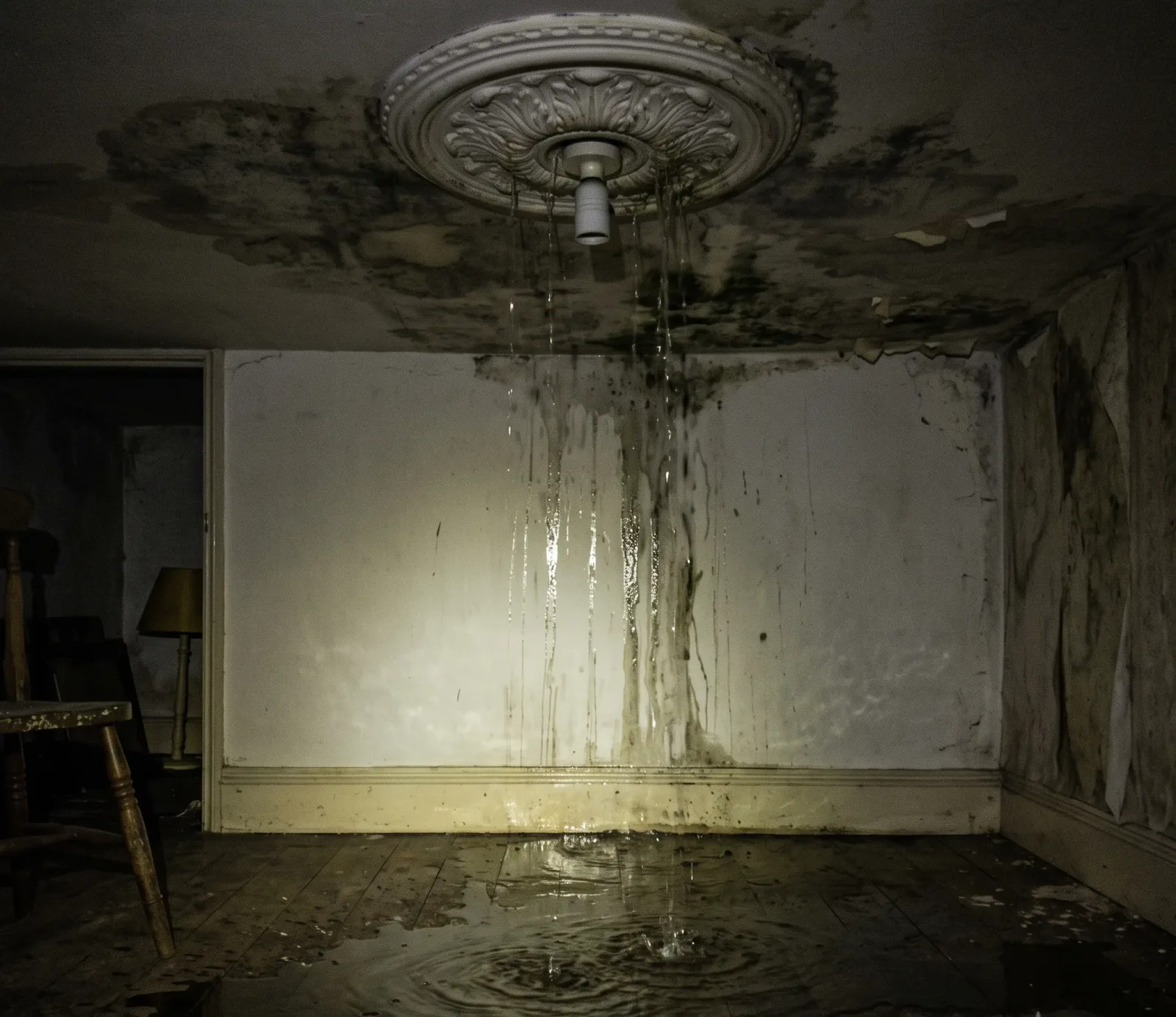
Can standing water be extracted before a leak stops? See what affects timing, which changes to observe safely, and what to tell a water removal professional in Centennial.
Read article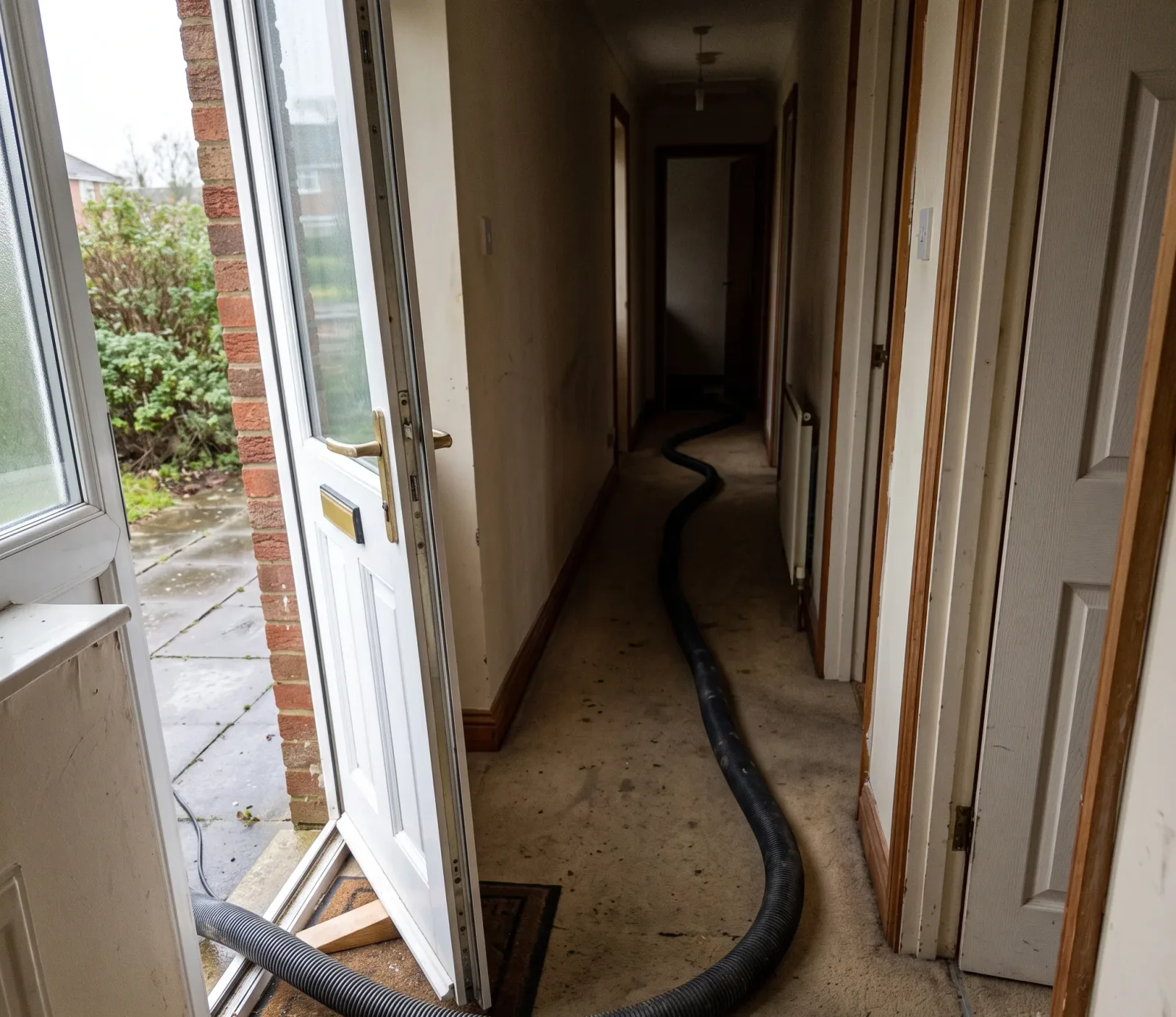
How soon can extraction help reach your Centennial address? Learn what affects provider availability, what details to share, and how to ask for a current estimate.
Read articleA wet room in Centennial can look clear after pooling is removed while dampness remains in flooring or other materials. Tell the pros we connect you with which areas you can see are affected and what you know about the intrusion. Ask whether they serve the address, what timing and visit charges apply, and request the proposed work in writing. Confirm whether moisture assessment and drying equipment are included or separate, so the estimate spells out where water removal ends and follow-up work begins.
Call (303) 647-3932