Can Removal Start Before the Leak Stops?
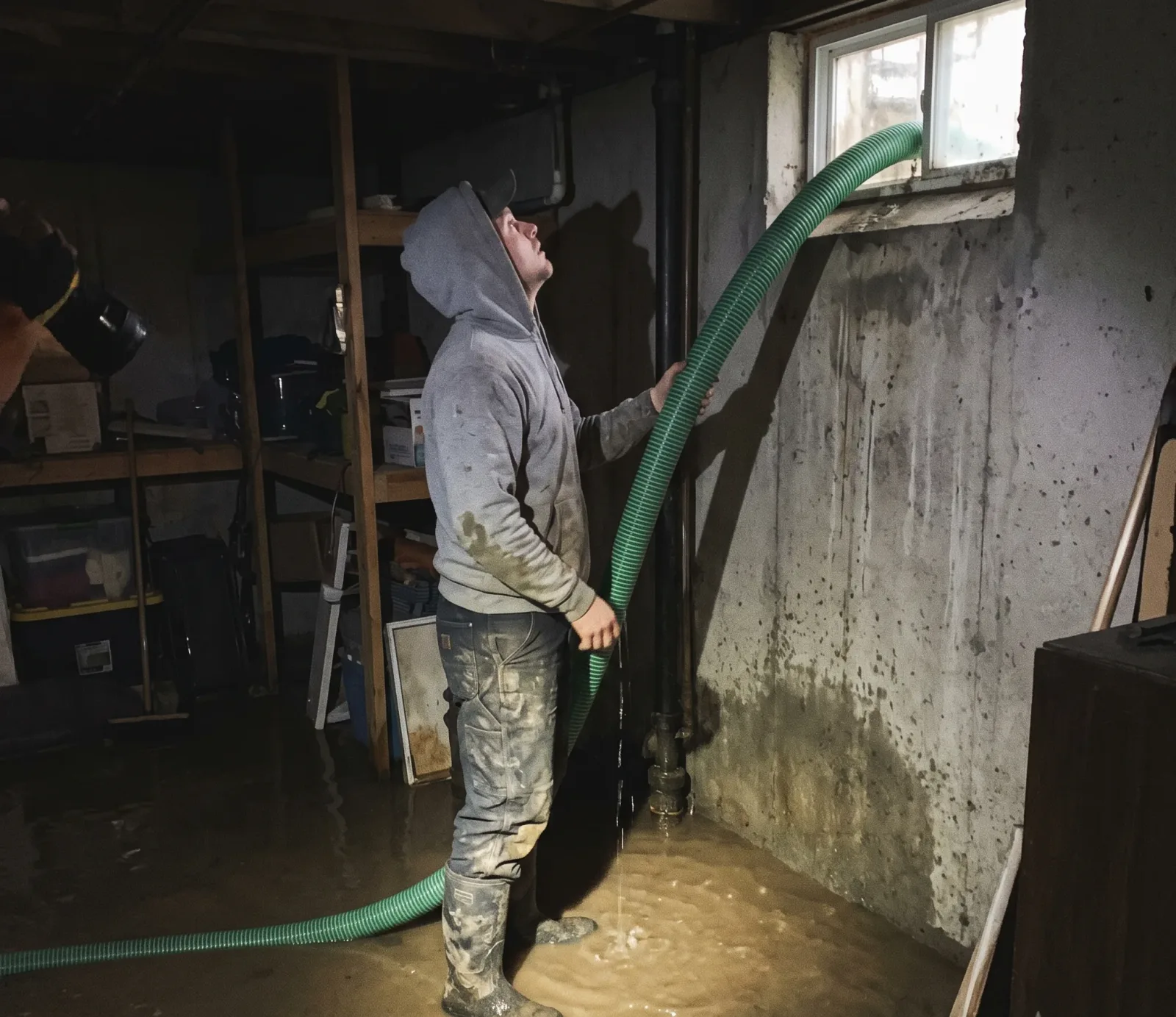
Moisture can spread beneath flooring or into wall cavities, so visible pooling may not show every area that needs attention. Yes, a crew can begin extracting standing water while a leak is active when conditions allow; the water extraction active leak question comes down to whether removal can keep pace safely. Near Highlands Ranch Library, as in any Centennial home, the useful first detail is whether water is still entering and where it has collected.
If you can safely stop or control the source, do that and contact a qualified professional about the continuing entry and affected areas. If reaching a shutoff means stepping into water or going near wet electrical equipment, stay clear and seek qualified help. For a Centennial property, tell the pros we connect you with whether the flow has stopped, slowed, or continued; that helps them discuss whether removal can start under the conditions you describe.
How Ongoing Water Changes Conditions
When water keeps arriving, the visible pool can shrink and then return. That pattern matters: a crew may remove water already on the floor, while fresh water continues to collect faster than it can be taken away. At a Centennial home, note where the waterline changes and whether pooling is spreading into another room. A water removal ongoing leak can call for repeated attention to those changing conditions, rather than assuming one pass will settle the situation.
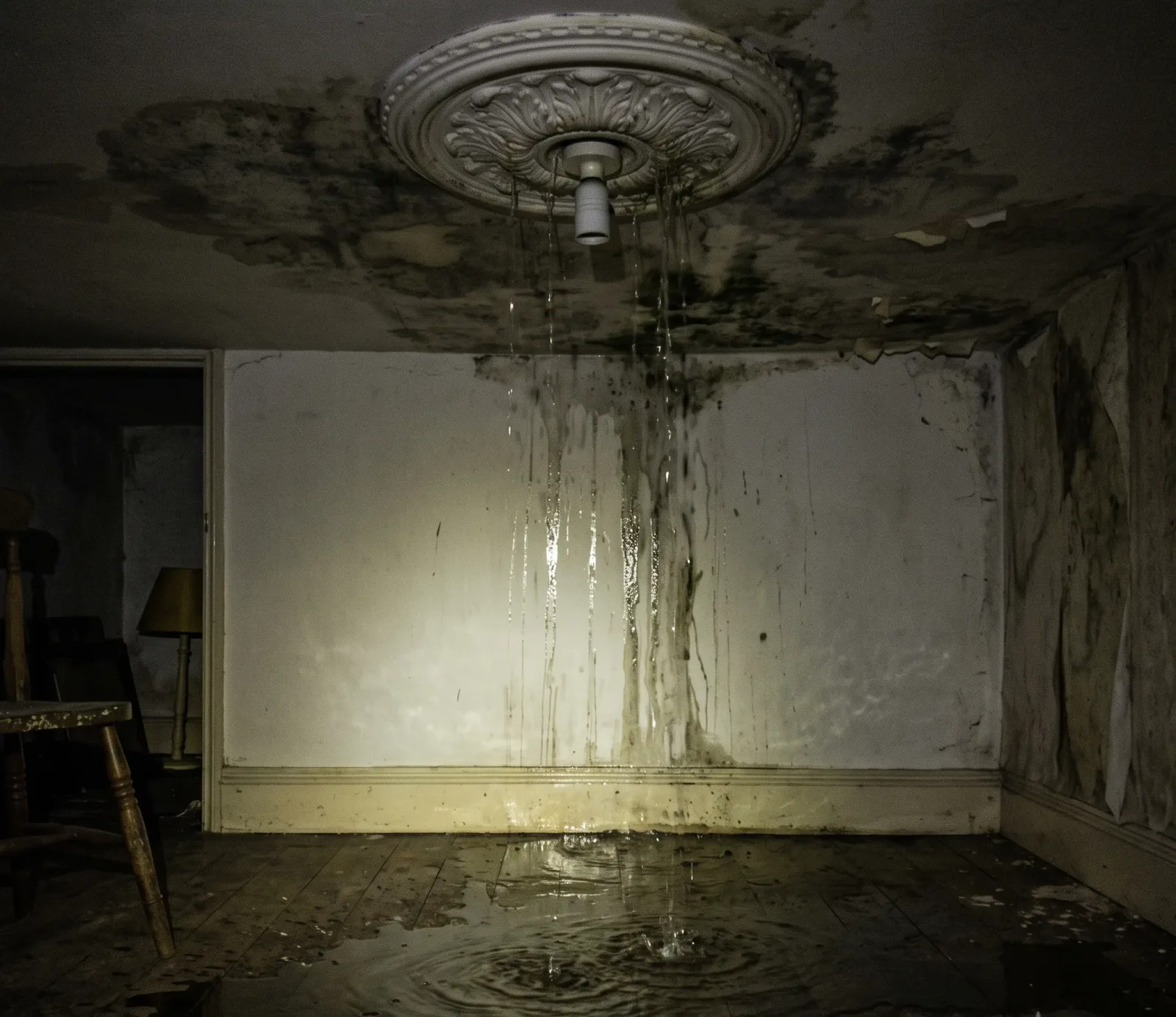
A slow drip and a steady stream do not create the same working conditions. If you hear water running or see a new wet edge forming, report that change when you call; it gives the pros we connect you with a clearer picture of the incoming flow. A Centennial residence identified by Great Outdoors Waterpark is only a location reference—the details that shape the response are what you can observe at the property, including whether the entry continues.
What to Observe From a Safe Place
Watch from a dry, safe place for the boundary of the pool, damp marks appearing beyond it, and whether water returns after it recedes. Those observations help describe how the affected area is changing while entry continues. In Centennial, a property reference such as Anschutz Medical Campus does not predict the condition inside a home; what you see at the affected rooms is what matters. Avoid stepping through water to inspect a far corner or reach equipment.
A crew's ability to work while water enters depends on the conditions at the property and whether the incoming flow can be managed safely. If the source remains uncontrolled, removal may have limited effect because new water keeps replacing what was taken away. Tell the pros we connect you with what has changed since the first pooling appeared. For a Centennial home, that clear timeline can help set expectations about whether work can begin now or needs to wait.
What to Clarify When You Call
Electrical risk changes the decision. Sparks, a burning odor, or flickering lights can signal an electrical problem beyond the water you can see. In Centennial, keep people away from the water while you make the call, and describe any visible electrical concerns plainly. The pros we connect you with can discuss next steps once they understand the conditions, but a location reference or a clear floor does not establish that an area is safe.
Before the call ends, make sure you know what the next contact should be if water keeps coming back, and what change would warrant calling again. You can note when pooling grows or recedes and which rooms are affected, without entering wet areas. For a Centennial property, the practical question is whether the flow has eased enough for removal to catch up. That answer can change as conditions change, so keep the pros we connect you with informed.
Dealing with standing water at your home?
Cost depends on water depth, spread, and room access, so get an estimate before work starts. Centennial basements and ground-floor businesses need standing water removed; pumps or wet vacuums do that work. For an address in the Englewood or Littleton mailing area, verify jurisdiction and service coverage directly. Call (303) 647-3932 to ask about availability, timing, and visit charges. Clarify whether the estimate covers extraction only: remaining moisture may need drying, while source repair, remediation, or rebuilding are separate scopes. Water can remain beneath flooring after standing water is removed.