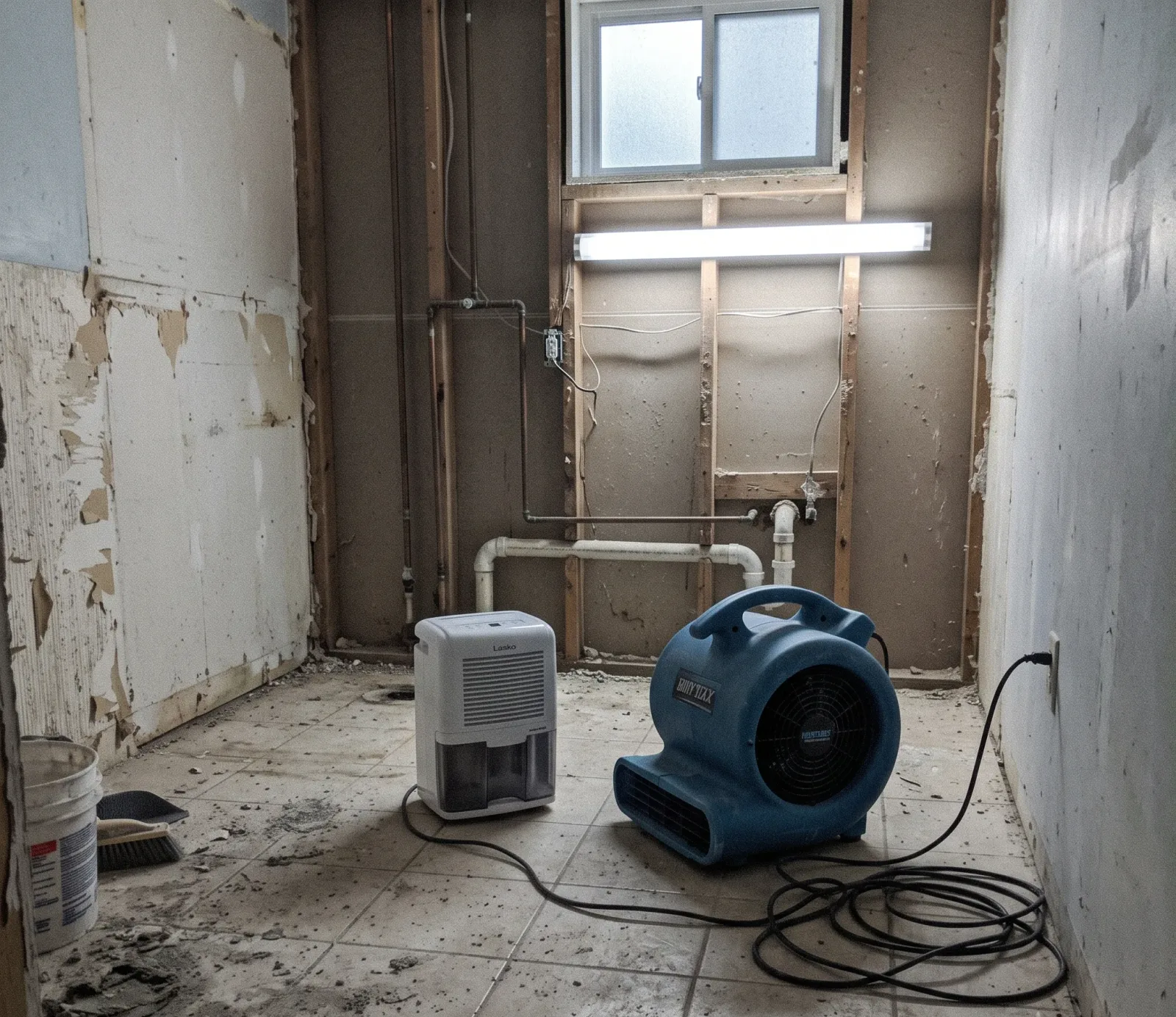
Choosing Water Extraction Equipment in Centennial
The visible water, building layout, and access help determine which equipment can reach the affected areas.
Crews compare visible water volume and affected surfaces with parking distance, hose reach, stairs, and entry width. They may use truck-mounted equipment where access is clear, a portable unit in harder-to-reach spaces, or both when the layout calls for it.
Start With Visible Water
Cost for high-volume water extraction depends in part on how much standing water is present, which surfaces are wet, and how easily equipment can reach them. In a Centennial home with water spread across an open lower level, a truck-mounted setup may suit the volume if it can park close enough. A narrow entry, long carry, or restricted parking can change that choice. Ask the pros we connect you with how the layout affects equipment and the written scope.
Start by looking at where water is visible and how the space connects to the parking area. A truck-mounted system stays in the vehicle, with equipment brought to the wet area through hoses. That can make sense when the vehicle can get near the building and the hose can reach without awkward routing. If a Centennial property has a long path from curb to entry, tell the provider; setup distance can affect which water extraction equipment is practical.
Next, note stairs, narrow doors, gates, and any shared hallway that limits moving equipment. A portable water extractor can be carried into spaces a vehicle-based setup cannot readily serve, including upper floors or tight utility rooms. That convenience does not mean it is automatically the better fit for a large volume. The pros we connect you with can weigh access against the amount and location of water before choosing equipment.
Check Access and Hose Reach
Then look at the affected surfaces. Water pooled on a broad, hard floor presents a different extraction task from water held in carpet or spread across several smaller rooms. Surface type and water volume help determine whether truck-mounted water extraction, portable equipment, or both may be useful. At a Centennial address, describe what you can see without assuming that a dry-looking edge means nearby materials are dry too.
Pay attention to distance and route, not just the room where water is visible. A long hose path through a doorway or around furnishings may be less workable than bringing a portable unit closer, while a clear route from nearby parking can favor a truck-mounted setup. For a property near Bison Ridge Recreation Center, for example, the useful detail is the building’s actual access and wet surfaces, not the landmark itself.
Listen for the provider’s explanation of the tradeoff. The truck-mounted option may handle a high volume efficiently when the vehicle can remain close and the hose route is workable; portable units offer access where that setup cannot go. Neither label alone tells you what will be selected. Ask which areas each unit can reach and how the proposed equipment matches the visible water and surfaces.
Match Equipment to Surfaces
A walk-through can reveal more than the first puddle. Look in sequence from the wettest visible area toward adjoining rooms, along doorways, and around the edges of flooring for sheen, dampness, or water marks. These observations help describe the area the equipment needs to reach. They do not establish that hidden materials are dry. If electrical equipment or outlets are wet, stay out of the affected area and seek qualified guidance before entry.
Also notice whether water is confined to one open room or appears in separated spaces. Several small wet areas may call for portable equipment to reach them individually; an accessible, continuous area with substantial standing water may support truck-mounted extraction. A home near Indian Hills Community Center is still assessed by its own layout and surfaces. The place name does not determine the equipment choice.
Know What Extraction Leaves
Sometimes the comparison is not either-or. A crew may use a truck-mounted system where its hose can reach and portable equipment in rooms, floors, or corners beyond that route. Ask the pros we connect you with to identify which areas each unit will serve and whether any visible water remains outside the planned reach. Extraction removes standing water; separate moisture assessment may be needed to identify materials that need drying afterward.
Before agreeing to the equipment plan, share the access details you observed: where parking is possible, the distance to the entry, stairs or narrow passages, and which surfaces appear wet. A property near Historic Charles Muegge House may have a different access arrangement from another Centennial building, so the address and conditions matter. Request a written scope that names the areas included and clarifies any separate assessment or drying work.
What to Tell the Provider
- Note where standing water is visible and whether it spans one open area or several separate rooms.
- Tell the provider about stairs, narrow entries, shared halls, gates, and the distance from parking to wet areas.
- Identify the affected surfaces and ask which equipment can reach each included area.
- Compare the visible water area and affected surfaces; the amount to remove and the materials involved can change which extractor fits the job.
- Point out narrow entries, stairs, and the distance from parking; a truck-mounted setup depends on practical equipment access and hose reach.
- Moisture readings can reveal whether water has reached the subfloor beneath a surface that looks dry.
Water Removal FAQs
When does a truck-mounted extractor make sense for my home?
Neither machine is the automatic choice. The pros we connect you with consider visible water volume, affected surfaces, parking distance, hose reach, stairs, and door access. A truck-mounted system can suit a large, reachable area; a portable unit can reach spaces the vehicle setup cannot. Some layouts call for both. Share the access limits and wet areas so the equipment plan reflects the actual property.
Can a portable extractor reach rooms a truck cannot?
A long hose route can make a truck-mounted setup less practical if it must pass through tight turns, doors, or shared spaces. The provider can compare that route with carrying a portable extractor closer to the wet area. Tell them how far parking is from the entry and point out stairs or narrow passages; the building layout helps determine which equipment can reach the affected surfaces.
Could pros use both extractor types in one property?
Yes, equipment can be combined when one setup can reach some wet areas and another can serve spaces beyond that route. The choice depends on the water volume, surfaces, and layout at the property. Ask which areas each unit will handle and whether the written scope covers all visible standing water. Remaining moisture may need separate assessment and drying equipment after extraction.
Discuss the Property Layout
Tell the pros we connect you with about access, stairs, parking distance, and affected surfaces so they can discuss suitable equipment options.
Call (303) 647-3932