How Moisture Travels Beyond Visible Water
Centennial’s residential service area includes addresses around Park Meadows Retail Resort. ZIP and municipal boundaries can overlap, so a landmark or mailing city alone may not establish jurisdiction; give the full property address when arranging a visit.
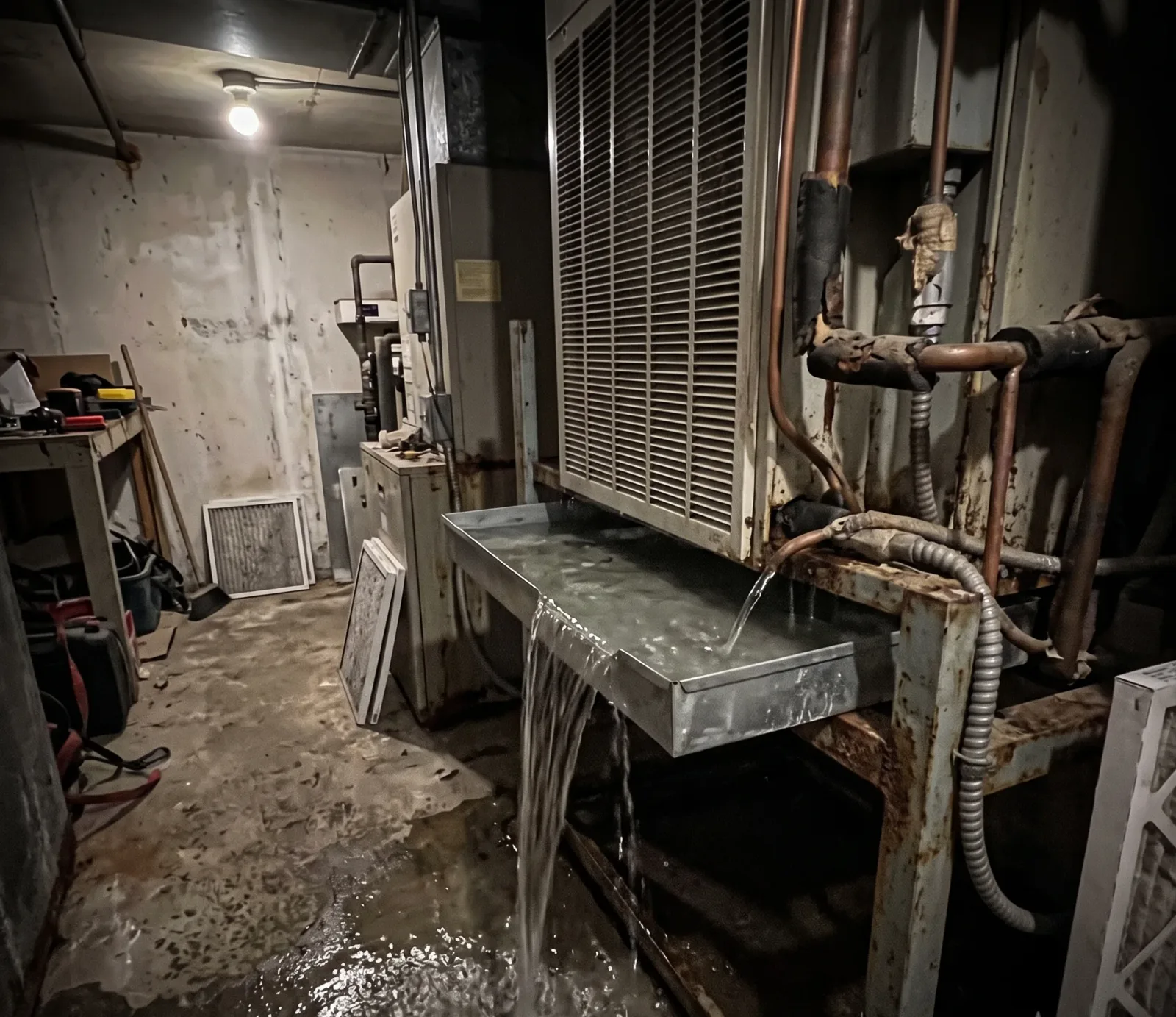
Homes across Centennial run air conditioning during warm weather, which produces condensate at the indoor unit. A drain that cannot carry that water away can let it spill locally. South Platte Historical Park is a useful area reference for a call, while the address determines the property location.
Addresses across Centennial and Arapahoe may use mailing labels that do not match the jurisdiction shown on a local map. For a clear availability check, share the property’s full street address with the pros we connect you with; the ZIP by itself is not enough to confirm service.
Where the Work Begins
- WATER SOURCE
- Condensate forms at the indoor air handler while the air conditioner is operating; the pan and drain route carry it away.
- POWER
- Water beside the unit is a useful clue, but it does not by itself confirm whether the pan, drain, or another source failed.
- WATER PATH
- A ceiling mark below an upstairs unit can indicate a spill above the visible finish; avoid pressing or opening the surface.
- ACCESS
- Extraction addresses pooled water in accessible areas. Moisture may remain in materials after the visible water is gone.
- NEXT STEP
- Park Meadows Retail Resort and Historic Charles Muegge House can orient a Centennial-area call; provide the property address for location checks.
- Cost Factors
- Warm weather brings longer air-conditioning runs and more condensate through the pan and drain. If that path is obstructed or cannot carry the flow, water may spill near the indoor unit. After the system is safely shut off, note whether the wet area grows or stops.
- WATER AMOUNT
- an estimated $800–$2,400
Signs of an Active Water Source
Rainwater intrusion can also leave a ceiling stain or a wet floor, so it may look like an air-conditioner overflow. The clues differ: condensate concerns cluster around the indoor unit or the ceiling below it, while rain entry follows an exterior exposure. A condensate overflow begins at the indoor air handler or its drain route, often with water close to that equipment or a ceiling below it. Rain intrusion is more likely to show at an exterior opening or after wet weather. The visible pattern helps guide inspection, but does not prove the source.
What Shapes the Extraction Work
The pros we connect you with first locate the indoor unit, condensate pan, and visible spill path, while checking whether the work area is safe to enter. They identify which rooms and accessible finishes are wet, then set the water-removal scope around the observed boundary and record the condition for your estimate.
After the area is assessed as safe, standing water is removed from accessible affected surfaces, including floors or ceiling finishes where the work can reach them. The provider can note the areas addressed and discuss moisture checks for materials that remain damp. A blocked drain or damaged HVAC part needs separate attention to stop another overflow.
Cost follows the size and reach of the water, not just what you see at the doorway. One visit can suit a confined area; water spread across rooms or moisture left in materials may mean a plan with later checks or drying. Ask which steps are included and which are separate.
HOW WATER EXTRACTION DIFFERS FROM FOLLOW-UP DRYING
| Cost Factors |
Typical First Move |
|---|
| Accumulated water ready for removal | Standing-water removal |
| Fresh pooling follows an earlier extraction | separate source repairs |
| Standing water spread across several rooms | Extraction with drying equipment |
Record What the Water Reached
From a dry location, switch off the air conditioner if the control is safely reachable, then note the unit’s location and where water is visible. Keep children and pets away. Do not touch wet wiring, open the air handler, climb to a ceiling unit, or try to clear the drain; leave equipment work to qualified help.
Where Extraction Work Ends
Water near an indoor air handler can reach powered equipment, outlets, or wiring. If you can shut the air conditioner off from a dry, safe location, do so; do not step into water to reach a switch. Keep people clear if the floor or equipment is wet, and get qualified help when electrical safety is uncertain.
Understand Where Extraction Ends And Drying Begins
Water volume, spread, room access, and equipment requirements all affect the estimate. Share those details with the pros we connect you with and ask for the scope in writing.A musty odor or damp feeling after visible water is gone can signal moisture remains in flooring or walls, even when the puddle itself no longer shows how far it traveled. Any guide here describes extraction; drying, source repair, sewage cleanup, mold work, and rebuilding are separate. Ask for written details to confirm visit charges and the exact scope.For full price ranges, start with pricing guide; for urgent standing-water removal, go to Subfloor Water Extraction.