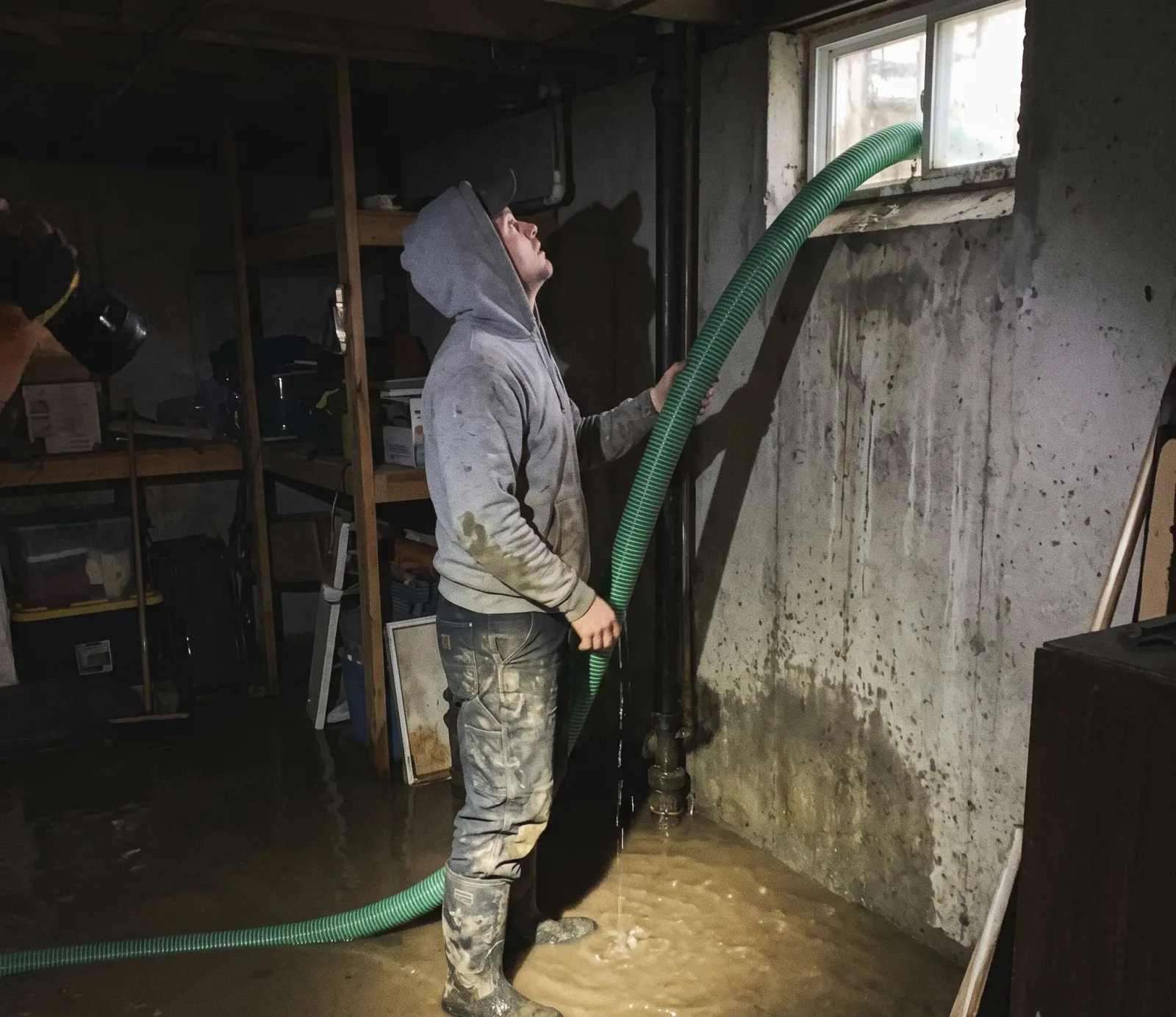
Staying During Extraction
Can you stay home while standing water is removed? Learn how safety, noise, access, and household needs shape the decision in Centennial.
Read article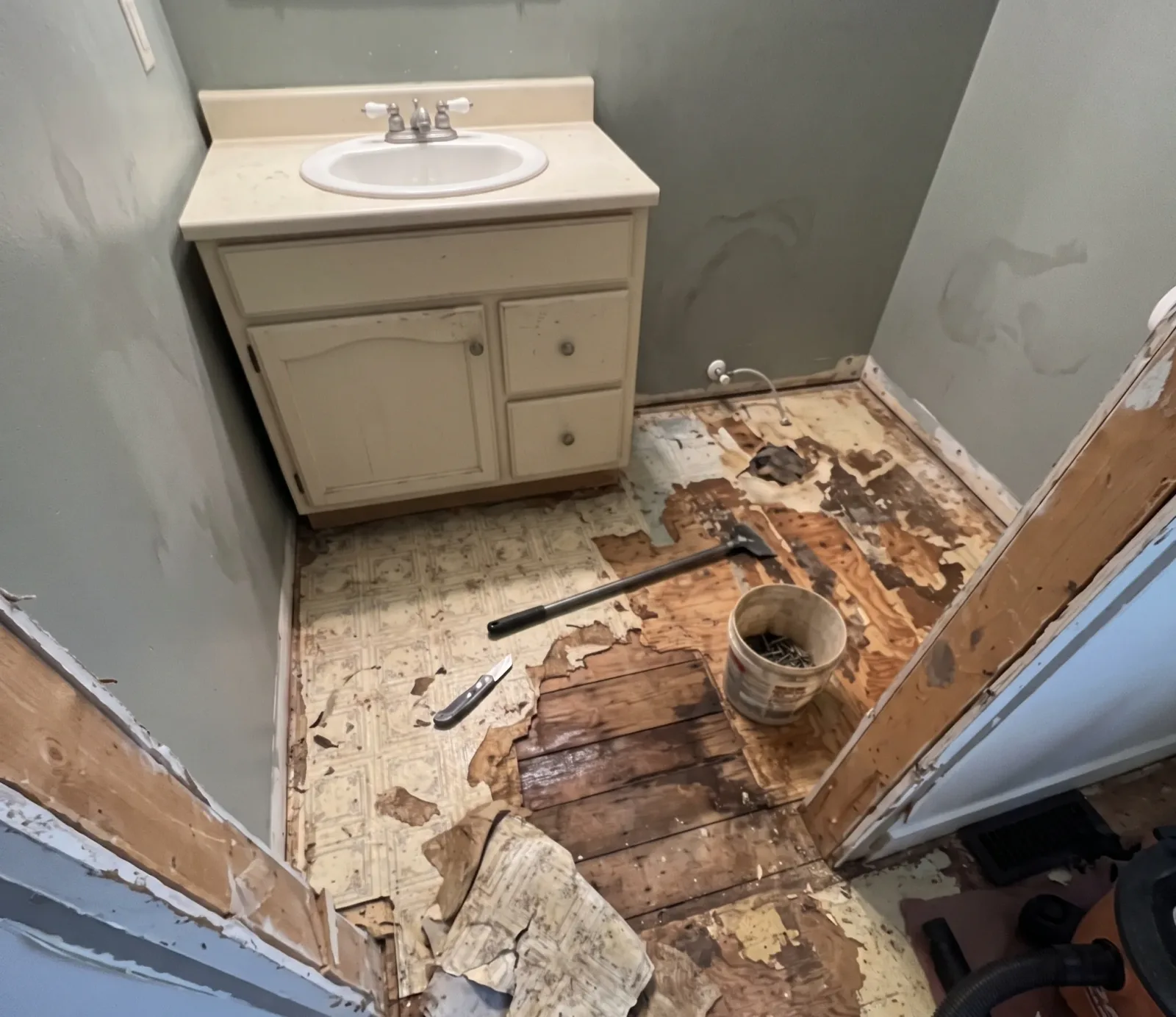
Understand access, extraction, and what follows hidden water beneath floors
After a storm or plumbing failure, water can slip past a floor edge or opening and collect out of sight beneath the finished surface. In Centennial, the first clue may be a damp smell, a soft spot, or water appearing in a room away from where it entered. A home near Park Meadows Retail Resort may have a different floor layout from one nearer Roxborough State Park, so describe the affected rooms and flooring when you call. The exact street address helps the pros we connect you with plan access.
Cost and timing depend on how much water remains below the floor, what the floor assembly allows, and whether an existing edge or opening gives a workable route. A pro first maps the affected rooms, checks safe access, then chooses a pump or wet vacuum and explains the proposed scope before removal begins. In Centennial, share the street address and any parking or entry constraints; a familiar reference such as Fitzsimons Innovation Community can help orient a caller, but the address determines the location. After extraction, moisture checks guide the next step.
Moisture may remain in wall cavities and flooring after visible water is gone, leaving hidden dampness to address.
For a place you live in, start with residential emergency water extraction; if you manage a business or rental, commercial emergency water extraction describes that property’s water-removal scope.
A musty odor that grows stronger near a floor edge can mean water has reached a concealed layer, even when the visible surface looks dry. Water may have traveled from a doorway, wall, or nearby room before collecting beneath the flooring. In a Centennial home, note where the smell starts and whether it changes after rain or plumbing use; those details help a pro trace the affected area. The odor alone cannot show how much water is present, so the floor assembly and moisture need assessment.
A floor that feels spongy, gives slightly underfoot, or has a new raised edge may have moisture below it. The movement is a reason to keep foot traffic light and point out the exact spot; it does not identify the water source or prove the subfloor is damaged. In Centennial, tell the pro whether the change is near an exterior entry or between rooms. The floor material and how it is installed affect what access is possible for underfloor water removal.
Water showing at a baseboard or emerging from a seam after the room has been mopped can signal that liquid is moving beneath the floor covering. Track where it appears and which rooms connect, rather than pulling up material yourself. A Centennial caller can describe the pattern and any known leak or overflow to the pro. If standing water is near outlets or appliances, stay clear until the area is assessed as safe; electrical concerns change how the work can begin.
The pro records the affected rooms, floor construction, and visible signs, then checks whether the area is safe to enter and where water may be reached.
Available edges and openings are reviewed to choose an extraction route that fits the floor assembly and avoids unnecessary disturbance.
A pump or wet vacuum removes reachable standing water; the scope may change if inspection reveals additional affected areas.
Moisture checks help identify damp materials after removal, so you can discuss any separate drying needs and keep a written work record.
Water trapped below a floor can stay hidden while the room above appears usable. The assembly beneath that surface determines whether a pro can reach the pooled water through an existing opening or needs another approved access route. In Centennial, describing the rooms, floor type, and any known openings helps the pro plan the work and explain its limits. Once water is removed, moisture assessment can show whether materials need separate drying.
An address in Centennial can sit near municipal or postal boundaries, so give the full street address when asking whether a pro can come out. Regional weather and waterways support the need for local extraction services, but they do not show that every property has the same flood exposure. Explain whether water came from inside the home or entered during an outside event, and identify the rooms where it reached the floor. That information helps set a property-specific scope without assuming the cause.
Ask for the work area, access method, and extraction scope in writing before work starts. Ask whether the licensed pros we connect you with will check nearby rooms for water that may have spread beyond the visible area. Photos and notes about the visible water can help you share the removal work with your insurer. Extraction removes standing water; it does not repair the source or confirm that concealed materials are dry.
In Centennial, Subfloor Water Extraction ranges are estimates because one wet room differs from a waterlogged lower level; the pros we connect you with confirm charges and scope in writing.
| Affected Areas | Water Removal | Drying Needs |
|---|---|---|
| Confined area | Pooled water cleared from a limited floor area | an estimated $800–$2,400 |
| One room | Standing water removal from one limited interior space | an estimated $920–$3,120 |
| Connected rooms | Standing water extracted from a single affected section | an estimated $800–$2,400 |
| Extensive area | One contained area cleared of accessible standing water | an estimated $1,920–$9,600 |
The total can change with the area affected and any added work you request. Moisture checks and drying equipment may be scoped after water removal; source repair, cleanup, and rebuilding need separate estimates. Ask what each item includes, then use the full pricing guide to compare the costs.
A pro first identifies which rooms and floor layers are affected, then checks for a safe, practical route to the water. Depending on the assembly, extraction may be possible through an existing edge, gap, or other access point with a pump or wet vacuum. Tell the pro what flooring you have and where water appeared. The route and amount reachable shape the work; moisture checks afterward address what may remain in materials.
Not always. Whether material needs to be lifted depends on how the floor is assembled and whether water can be reached through an existing opening or edge. A pro should explain the proposed access and any effect on the floor before proceeding. Describe the flooring and affected rooms when you call, and point out known openings. The goal of extraction is to remove accessible standing water; later assessment can identify moisture that remains below the surface.
There is no reliable visual test for water beneath a floor. A damp odor, soft area, or water appearing at a seam can be a clue, but none measures the concealed moisture. A pro can inspect the reported area and use moisture checks to help identify damp materials. Share when the sign began and where it occurs in the Centennial home so the assessment can focus on the right rooms.
The time varies with the amount of pooled water, how many rooms are involved, and how easily the floor assembly can be accessed. A constrained entry or a route that requires carrying equipment farther can also affect setup. Ask the pro to describe the expected sequence after inspecting the rooms; the first estimate may change if water is found beyond the visible area. Drying, if needed, follows extraction as a separate step.
The estimate is shaped by the affected area, water volume, floor construction, and access needed to reach the trapped water. Moving contents or creating a route may add work, so ask what the written scope includes and what could change it. Photos and a record of the extraction work can help you explain the service to your insurer. The estimate should make clear whether moisture assessment or later drying is separate.
Tell the pro if the water came from a drain backup, an appliance, or another source, since the origin can change the safe handling and work scope. Keep people and pets away from questionable water until the provider gives guidance. The Centennial call should also include the affected rooms and floor type. Once the water is removed, any repair to the source is separate from extraction.
For Subfloor water extraction, the estimate is $700–$1,400 for this work. A shallow pool in an open area differs from water across several materials, and access and scope matter too; the pros we connect you with confirm the figure.
Before calling, know where water removal ends and which follow-up work may need separate attention.
Can you stay home while standing water is removed? Learn how safety, noise, access, and household needs shape the decision in Centennial.
Read article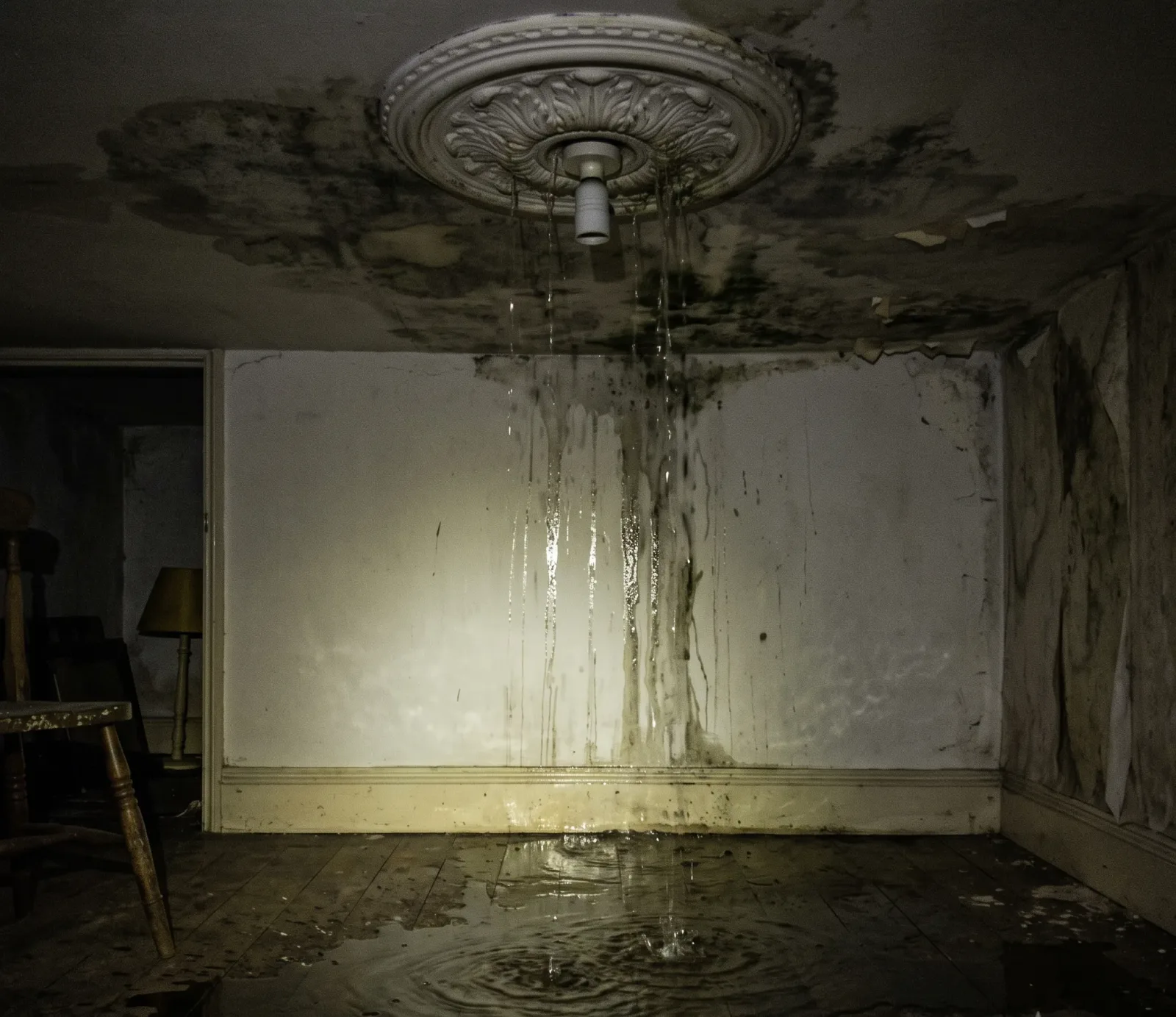
Can standing water be extracted before a leak stops? See what affects timing, which changes to observe safely, and what to tell a water removal professional in Centennial.
Read article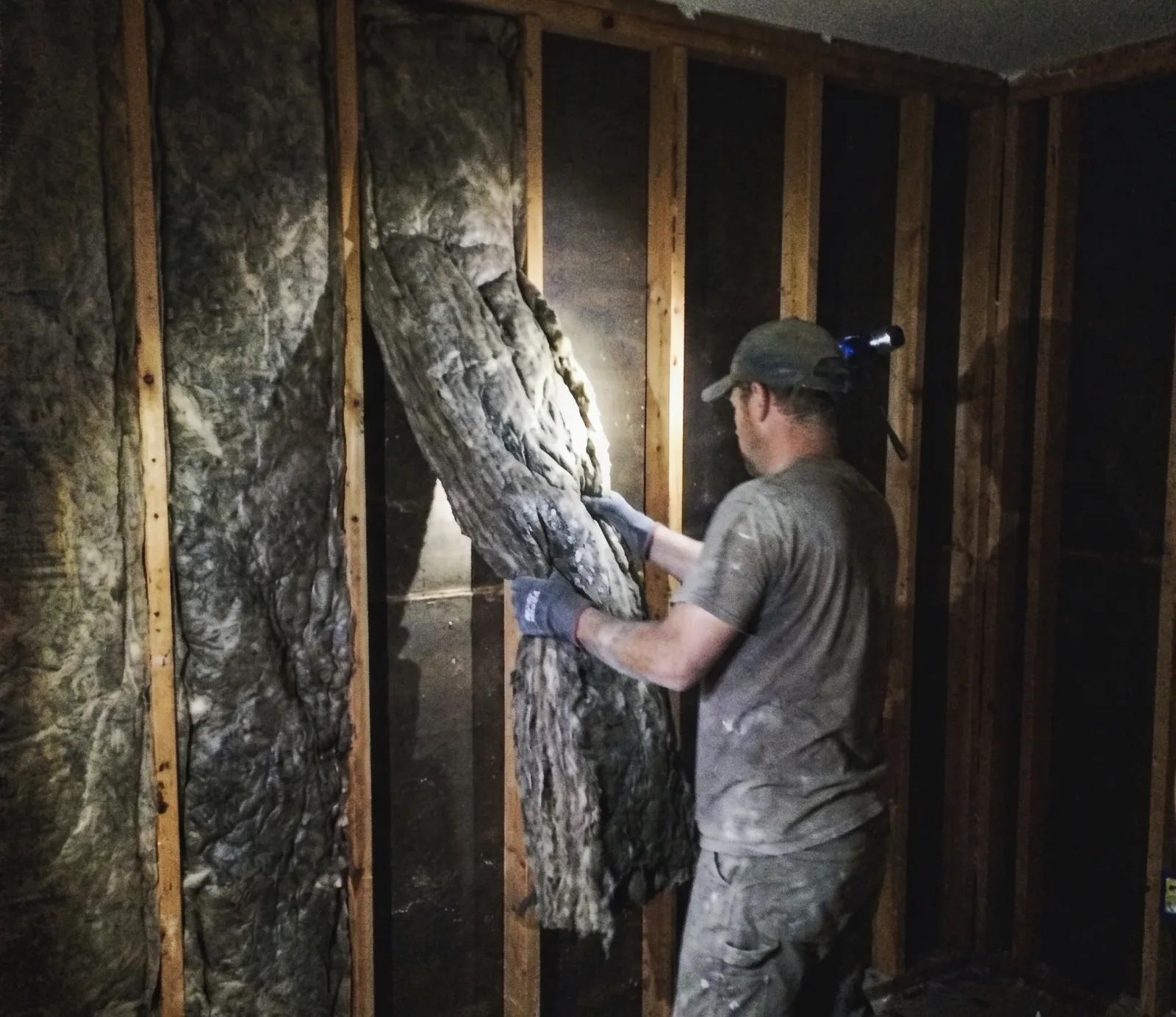
Can emergency extraction reach water inside a Centennial wall cavity? Learn what access changes, what removal can reach, and what to ask a professional.
Read articleA wet room in Centennial can look clear after pooling is removed while dampness remains in flooring or other materials. Tell the pros we connect you with which areas you can see are affected and what you know about the intrusion. Ask whether they serve the address, what timing and visit charges apply, and request the proposed work in writing. Confirm whether moisture assessment and drying equipment are included or separate, so the estimate spells out where water removal ends and follow-up work begins.
Call (303) 647-3932