How Water Gets Behind Walls
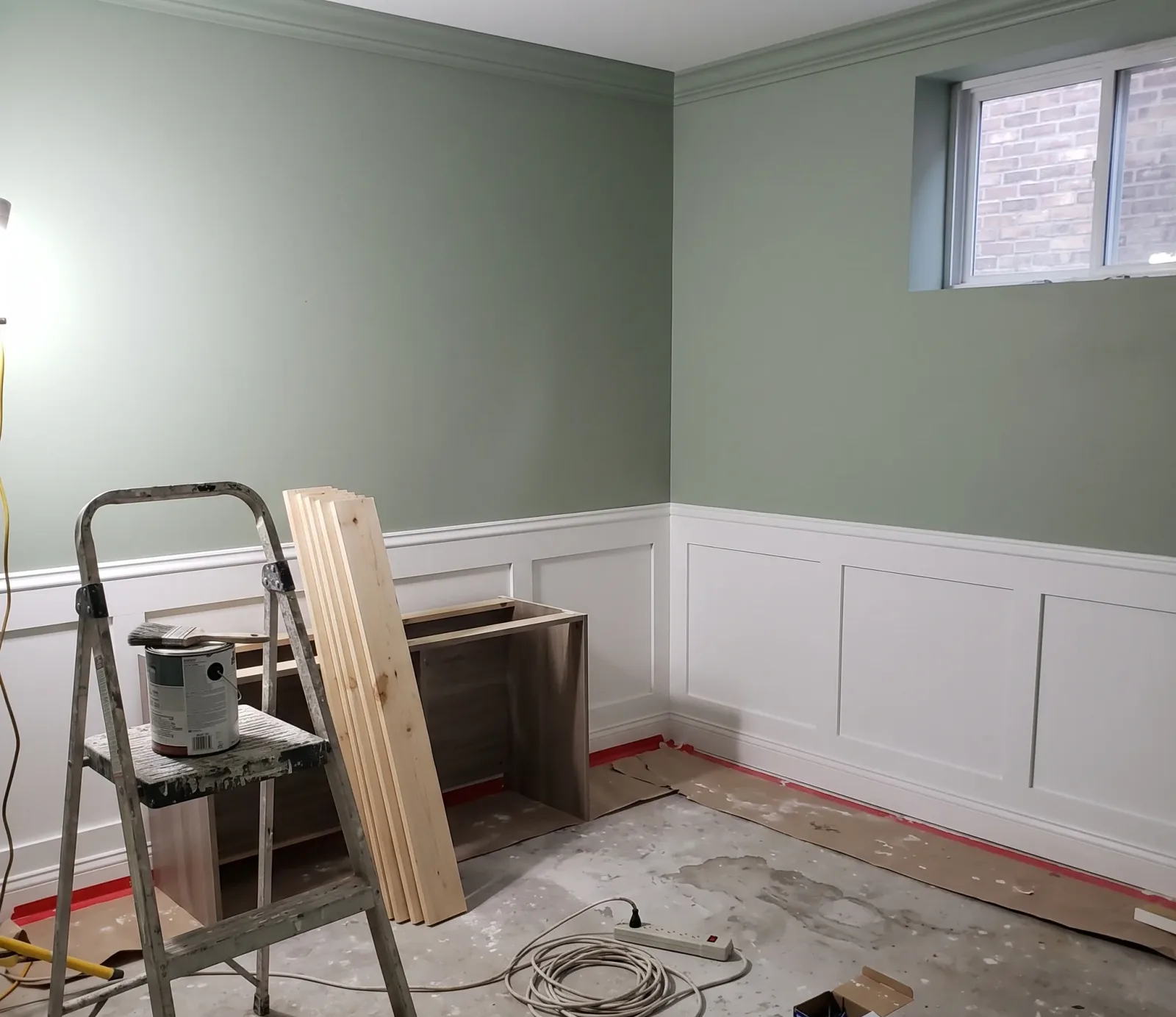
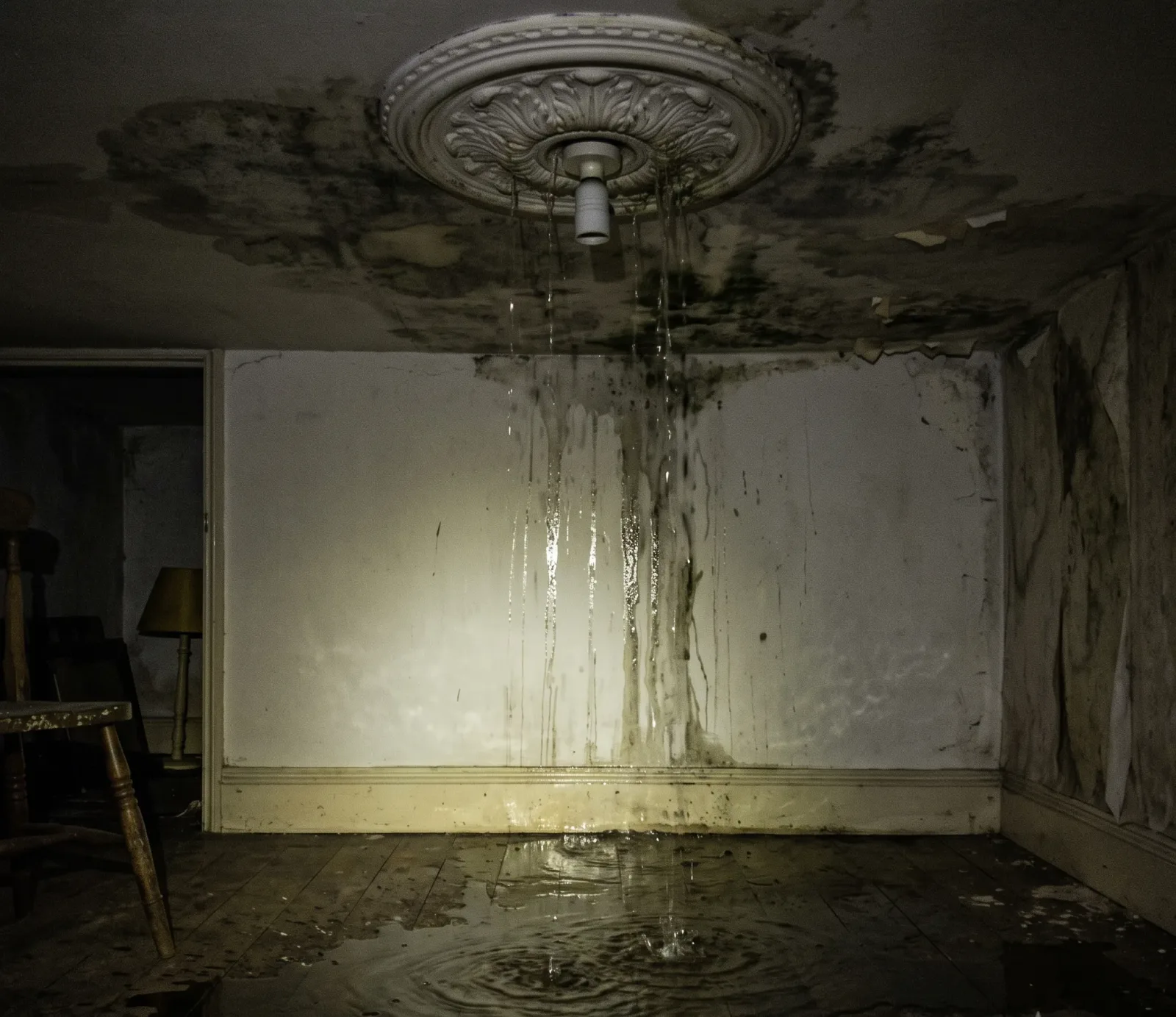
Cost depends partly on how much water reached the wall and how much access the work requires. In a Centennial home, a leak at a pipe or water that runs down from an upper floor can pass behind drywall through seams and openings, leaving the room-side surface deceptively dry. That concealed space is the wall cavity. Water can collect there or soak into materials, so seeing a wet baseboard does not show how far it traveled. The first distinction is between water on the room floor and water hidden inside the wall.
A musty smell, a damp patch, or a soft spot in drywall can point to water behind the surface, but none tells you how much is pooled there. This is where hidden standing water matters: a pump or wet vacuum can remove pooled water only where the equipment can reach it. Extraction from the floor beside a wall will not automatically pull water through intact drywall. Around Centennial, tell the pros we connect you with where water appeared and when you noticed it, so they can discuss the concealed area rather than assume the visible puddle is the whole problem.
What Extraction Can Reach
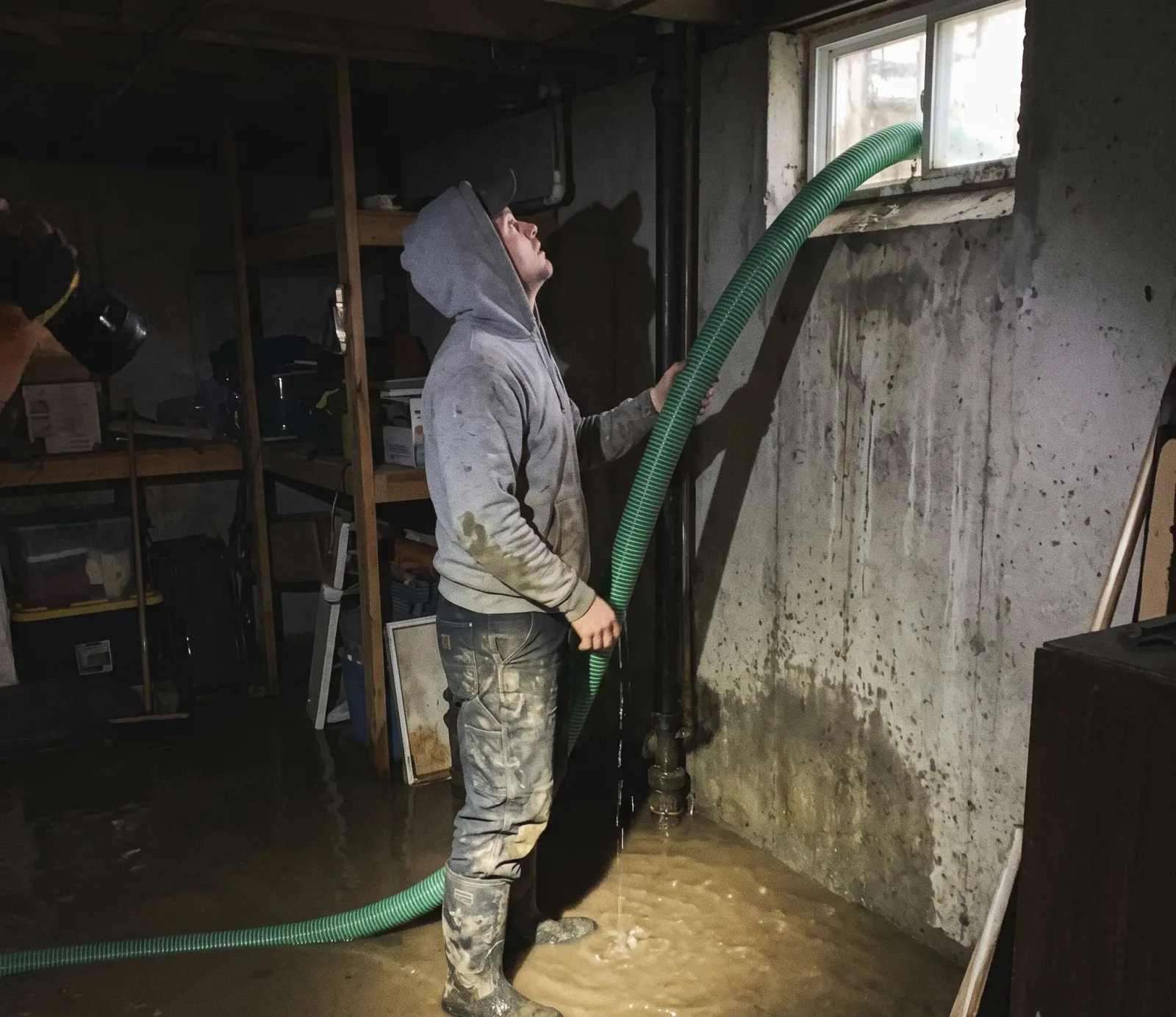
Yes, emergency extraction can remove water from a wall cavity when the water is accessible. The pros we connect you with may need an opening or another suitable point of access to reach pooled water; the right approach depends on the wall and the intrusion. A wet vacuum or pump can draw out standing water once it is reachable. In Centennial, ask how the proposed access would let them reach the water, and what parts of the wall the extraction can address. The answer depends on the actual cavity, not simply on the equipment brought into the room.
Water does not behave the same way in every wall. It may run down an open space, collect at the bottom, or soak into drywall and insulation before it can pool. That changes what extraction can remove: equipment can draw out accessible liquid, while damp material is a separate concern. Whether the wall is finished or already open also affects access. Near Swedish Medical Center, as in Centennial, the useful question is whether water is pooled in a reachable spot or held in material that extraction alone cannot pull dry.
Access Shapes the Work
The cost can rise with the volume of water, the number of affected wall sections, and the access needed to reach concealed spaces. A small wet area with an existing opening calls for different work than water spread behind a finished wall. In Centennial, describe where the water entered and which surfaces look or feel affected; ask the pros we connect you with to explain what the extraction scope includes. A home near Anschutz Medical Campus may have a different layout from yours, so a local example cannot replace a look at your specific wall.
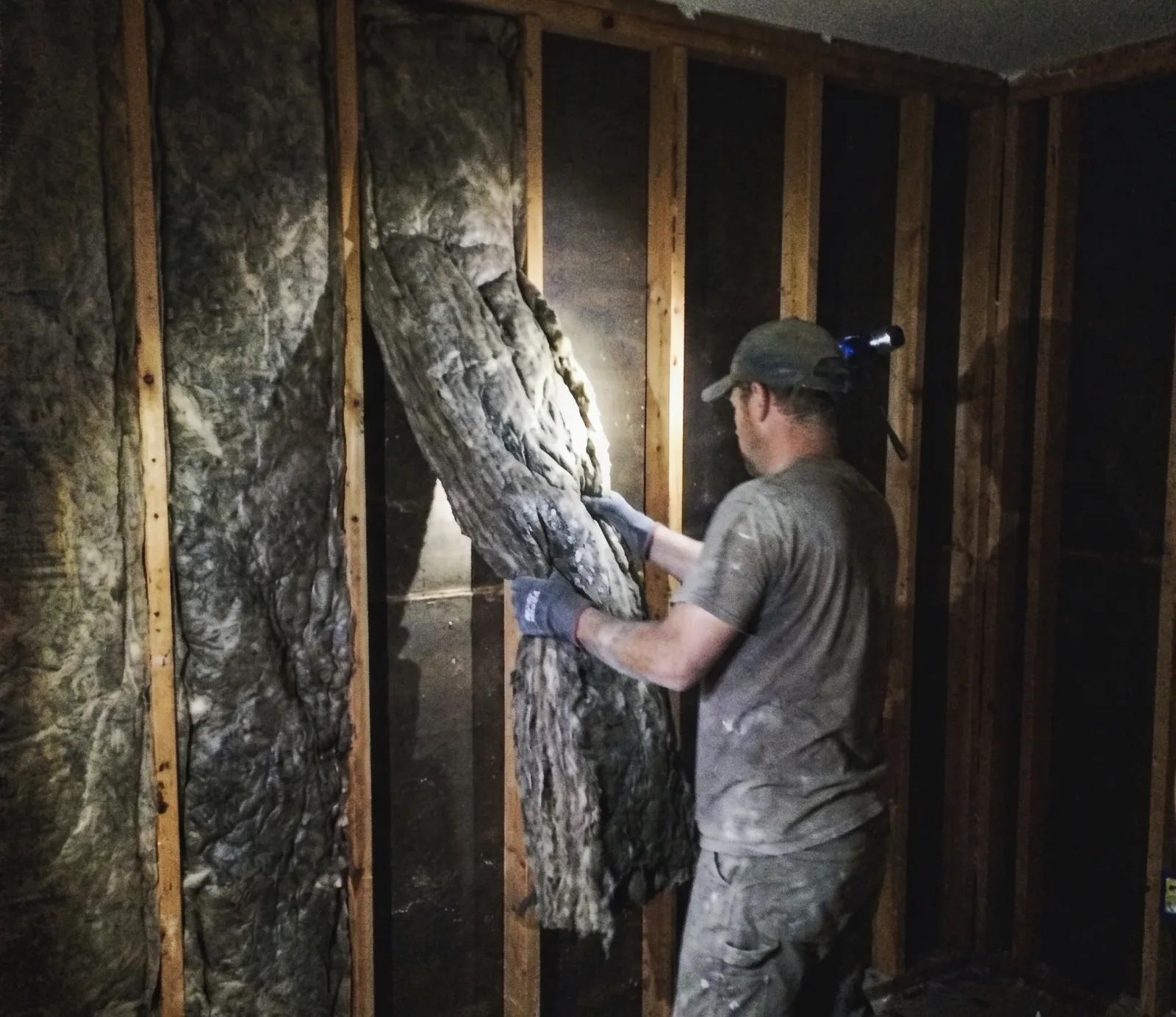
Access is a decision to discuss before work begins. An existing opening may give a professional a path to pooled water; a finished wall may require a separate conversation about whether and how to open it. The answer can depend on what is behind the surface and where the water traveled. For a Centennial property, ask what access is proposed, which cavity areas it can reach, and whether the estimate includes that work. A reference point such as Historic Downtown Golden can orient a local reader, but it says nothing about the construction of your home.
What Water Removal Can Confirm
Extraction means removing standing water; it does not, on its own, establish that a wall or property is dry. Water can remain in building materials after visible pooling is gone, and addressing that moisture may call for a separate step. Keep those outcomes distinct when you discuss the work in Centennial: ask what water removal covers and what remains outside its scope. The pros we connect you with can explain their proposed work in plain terms, so you know whether the goal is to remove reachable water from the cavity or address a broader restoration need.
Stopping the leak first keeps more water from entering the affected area. In Centennial, water can travel through gaps around pipes or along framing, so a dry-looking surface may hide standing water inside. Emergency extraction can remove water once the affected space is accessible; pumps or wet vacuums handle pooled water, but surface work alone may not reach a closed cavity. Tell the pros we connect you with where water entered and ask how they can assess the concealed area. The same question matters for homes near Highlands Ranch Library, Anschutz Medical Campus, or Broomfield County Commons.
Dealing with standing water at your home?
Cost depends on water depth, spread, and room access, so get an estimate before work starts. Centennial basements and ground-floor businesses need standing water removed; pumps or wet vacuums do that work. For an address in the Englewood or Littleton mailing area, verify jurisdiction and service coverage directly. Call (303) 647-3932 to ask about availability, timing, and visit charges. Clarify whether the estimate covers extraction only: remaining moisture may need drying, while source repair, remediation, or rebuilding are separate scopes. Water can remain beneath flooring after standing water is removed.