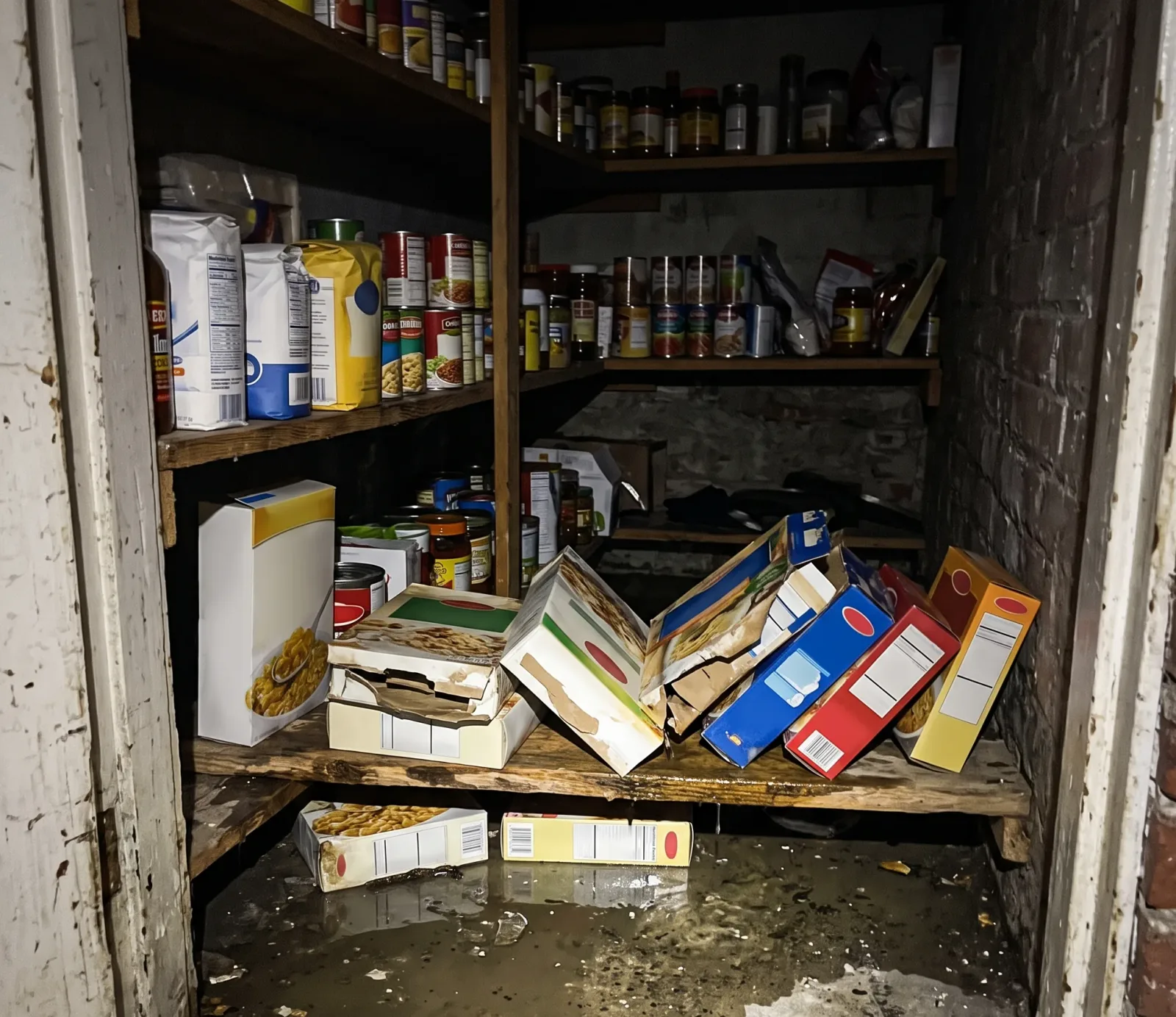
Basement Water Extraction
Compare a household wet vac with professional basement water removal
View Basement Water Extraction help in CentennialDenver storm response starts with a precise address, a clear account of water entry, and room-by-room access details.
Cost depends on how much water entered, which rooms and materials are affected, and how easily the pros we connect you with can reach them. After Denver’s documented heavy-rain or hail events, water at a doorway or pooled on a floor may be the first visible sign; tell the pro what you see and where it started. In a duplex, row house, or campus residence, give the full property address and identify each affected room. A nearby reference such as Denver Union Station can help clarify location, but access details still matter. Extraction removes standing water; ask what moisture checks and drying may follow, and keep source repair as a separate need.
Standing water needs removal, while the affected area and materials shape the work and show what may need assessment and drying afterward.
South Platte River can allow water to spread beyond visible areas, making urgent extraction important. Water you can see may not be all that remains; dampness can persist inside materials, which may call for checking and drying after extraction.
Denver’s seasonal weather includes documented heavy rain and hail, which can bring water into a home quickly. Cold-season conditions vary across the service area; after a storm, check for new water entry and report what you find when arranging removal. An active leak needs attention at its source while extraction addresses water already on the floor. For a Centennial home or business near Swedish Medical Center, ask the pros we connect you with to explain what water removal covers and which source repairs fall outside that work.
Extraction costs for Denver Health, University of Denver in Denver depend on how much water needs removal and where it has pooled. The pros we connect you with can discuss scheduling, records, and charges; drying and repairs fall outside extraction.
Affected rooms, water volume, materials, and access shape the work; ask the pros we connect you with to explain visit charges and the written scope.
| Service | What Emergency Extraction Work Includes | Estimated cost |
|---|---|---|
| Tile Floor Water Extraction | Tile access, pooled water, moisture check | an estimated $250–$1,200 |
| Basement Water Extraction | Access check, pump-out, work notes | an estimated $700–$1,400 |
| Crawl Space Water Extraction | Access, visible water, removal method, safety check | an estimated $800–$1,600 |
| Subfloor Water Extraction | Access review, extraction, safety check | an estimated $800–$2,400 |
Denver Union Station can help you describe a downtown location when arranging arrival. Share the street address and any building access instructions as well.
If this park is your nearby reference, include it alongside the property address so the pro can distinguish your location from the surrounding area.
Use this park as a location reference if helpful, then explain the building entrance and any limits on reaching the affected rooms.
Compare a household wet vac with professional basement water removal
View Basement Water Extraction help in Centennial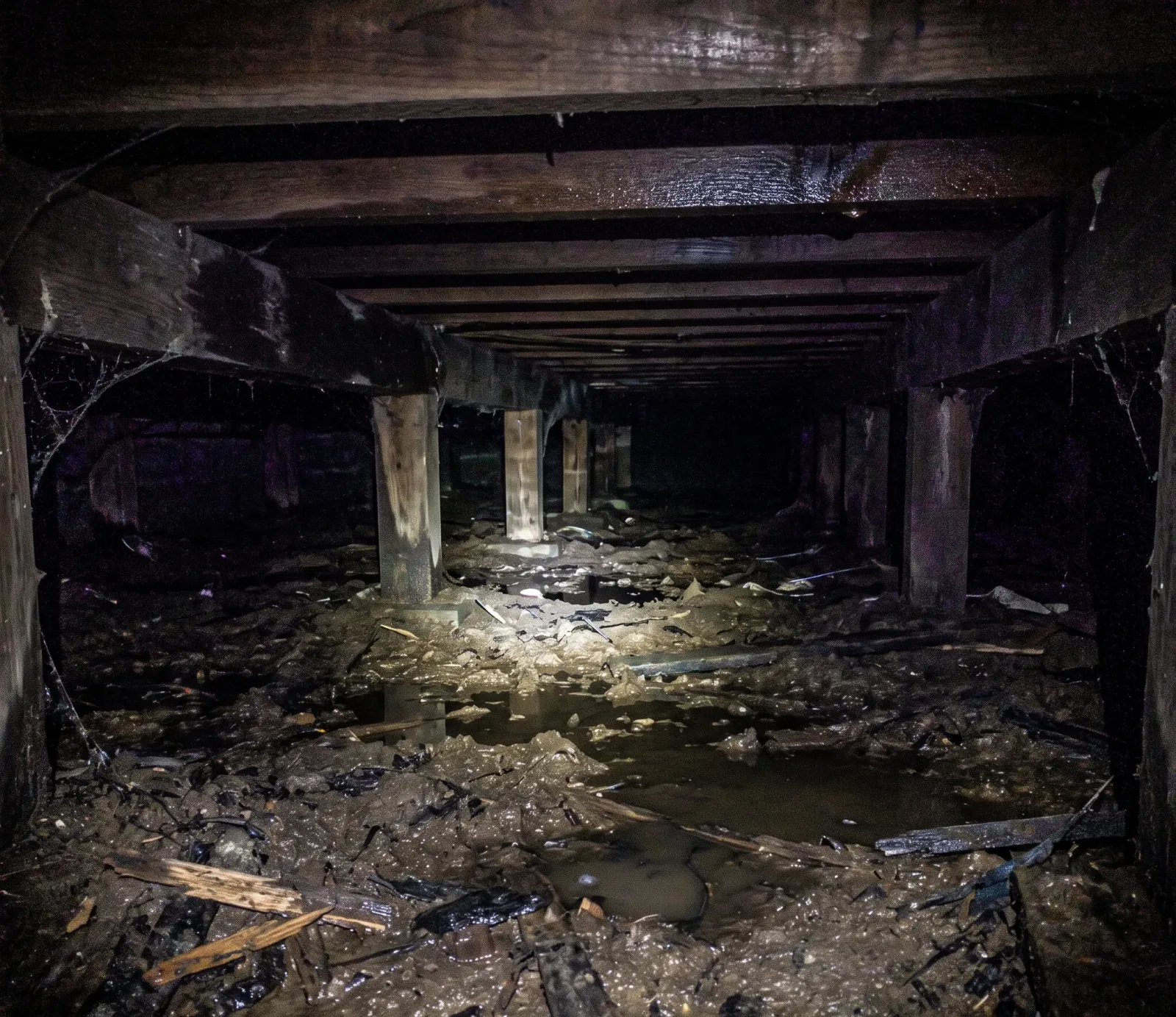
Pooled crawl-space water removed with access and safety in view
View Crawl Space Water Extraction help in Centennial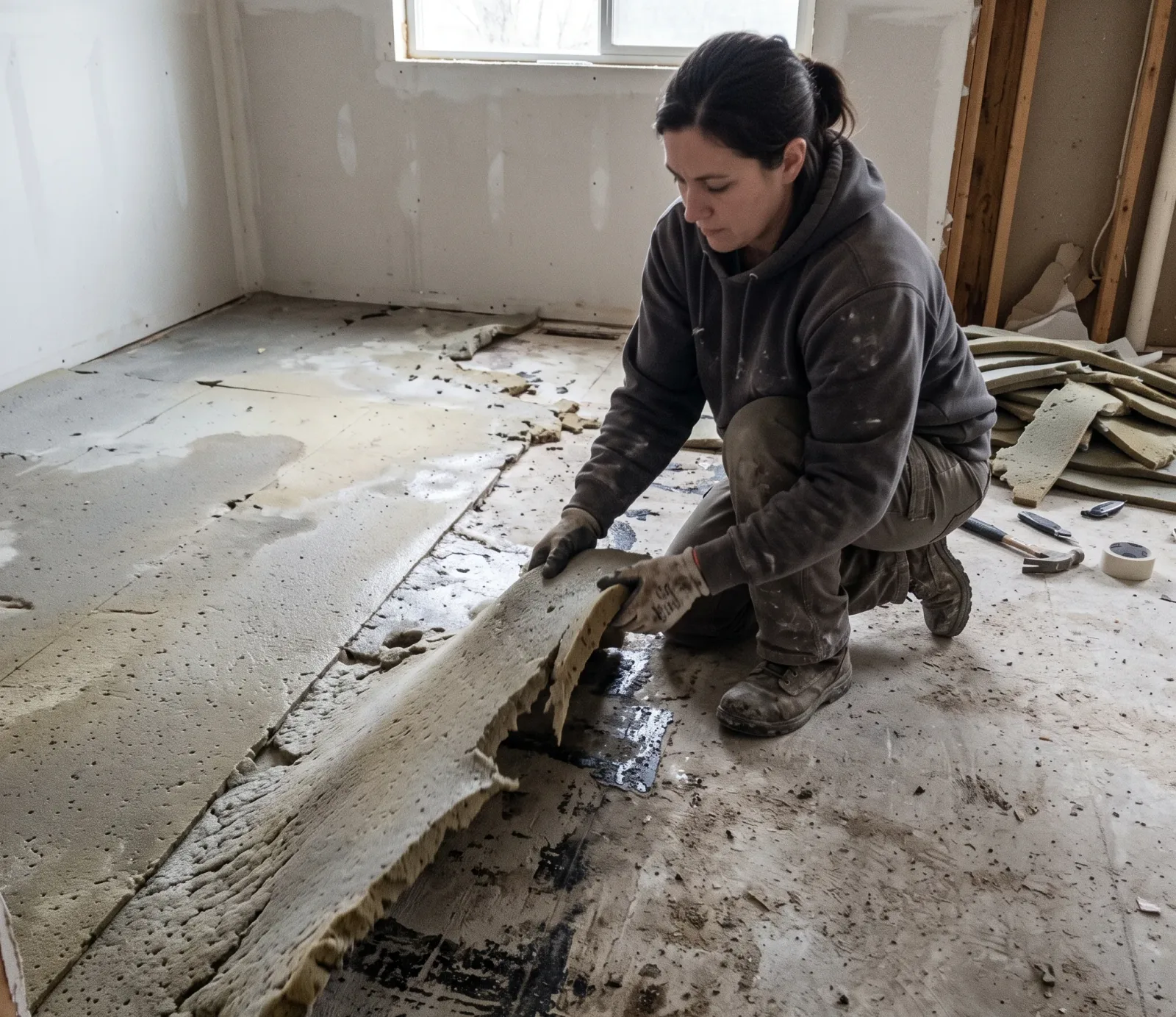
Carpet access, water spread, and pad condition shape extraction scope
View Carpet and Pad Water Extraction help in Centennial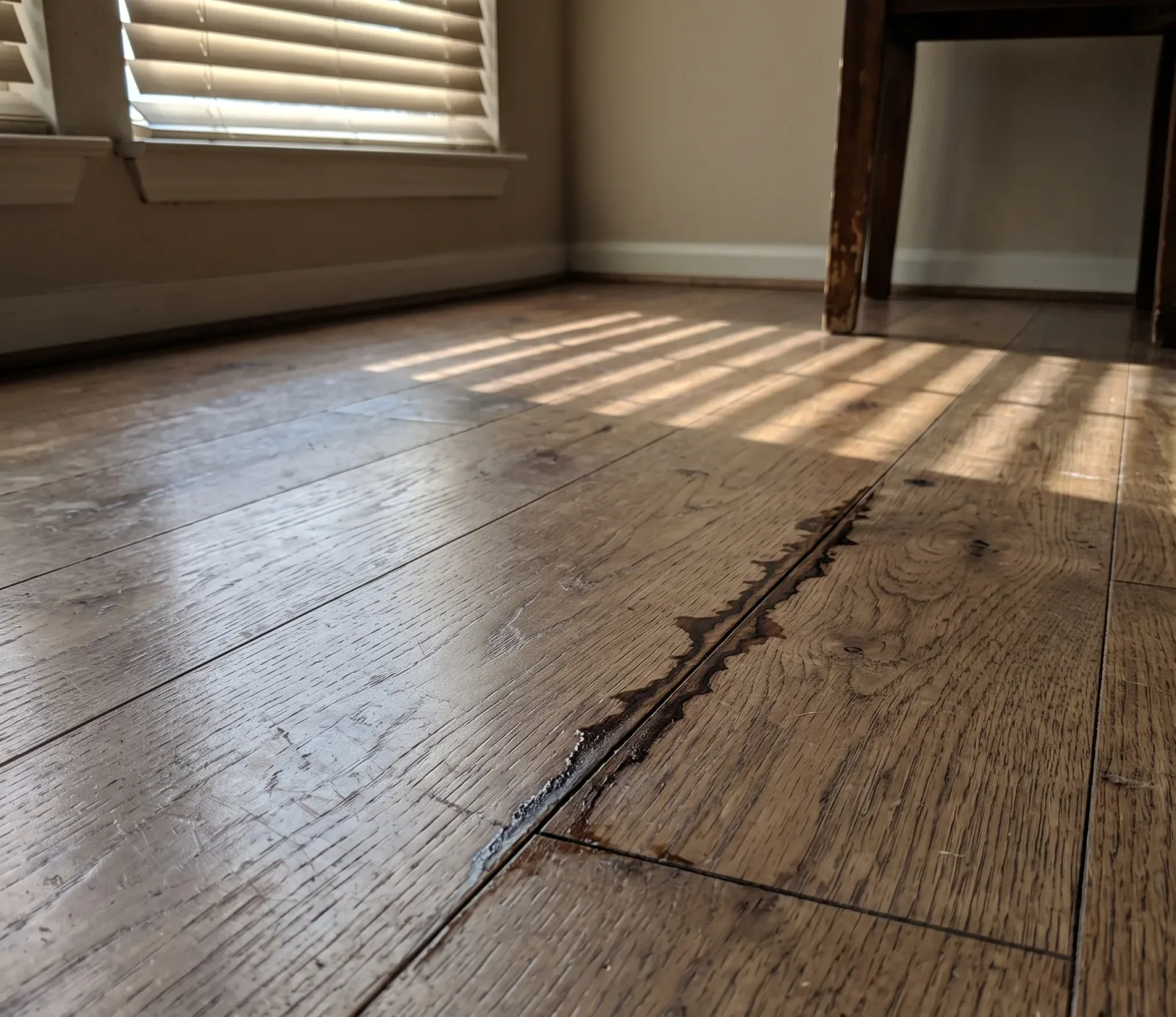
Surface water removal shaped by your hardwood and the depth of the water
View Hardwood Floor Water Extraction help in CentennialThe amount of standing water, affected rooms, materials, water source, and access all shape the estimate. A storm-related entry affecting one open area may call for a different scope than water that has reached several rooms or enclosed materials. Give the pro the property address and describe what you can see. Ask for a written scope that states which areas the estimate covers and what work is separate.
Share the complete Denver address, which rooms have water, when you noticed it, and what you know about its source. Mention whether the water followed heavy rain or hail, came from an active leak, or may contain sewage or chemicals. Explain any access limits, including locked entrances or a campus residence check-in process. Those details help the pro understand the situation before arriving.
Denver has documented metro hail and heavy-rain events, so tell the pro what you saw during the storm: when water first appeared, which rooms are wet, and whether it came through a ceiling, window, or lower-level opening. If the home is near the South Platte River, include that location with the street address; it helps orient the visit, but the address and affected rooms still guide the work. Mention whether rain is still entering.
After a Denver storm, the estimate can change with the rooms involved, the materials reached, and how easy it is to get inside and move equipment. Give the full address and any unit, gate, or entry instructions. If directions use Colorado State Capitol or Denver Union Station as a reference, pair that landmark with the exact address. Describe whether water is pooling, seeping, or spreading beyond the first wet area.
Yes, dampness can remain after visible water is gone. Floors, walls, and other materials may hold moisture that needs assessment, followed by drying equipment where appropriate. Ask the pro what moisture checks are included and how any follow-up will be documented. Porous materials may need a different drying approach than hard surfaces.
Same-day means a visit may be possible today, not that arrival is guaranteed. In Centennial, active water spreading through a home or business is a genuine extraction emergency; a contained problem generally costs less as a booked daytime visit. Call to confirm availability, timing, and charges. Give the address and a landmark such as Swedish Medical Center. Until help is arranged, avoid unsafe areas and standing water near electrical hazards.
If the address is in Centennial, share what you can observe: water depth, affected rooms, wet materials, and whether the source has stopped. Ask the pros we connect you with to confirm that address is within their service area, discuss availability and timing, and explain any visit charge. Request an estimate and written scope, including whether it covers extraction alone or also moisture assessment and drying equipment. A name such as Bob L. Burger Recreation Center can orient a location reference, but your street address determines the request.
Call (303) 647-3932