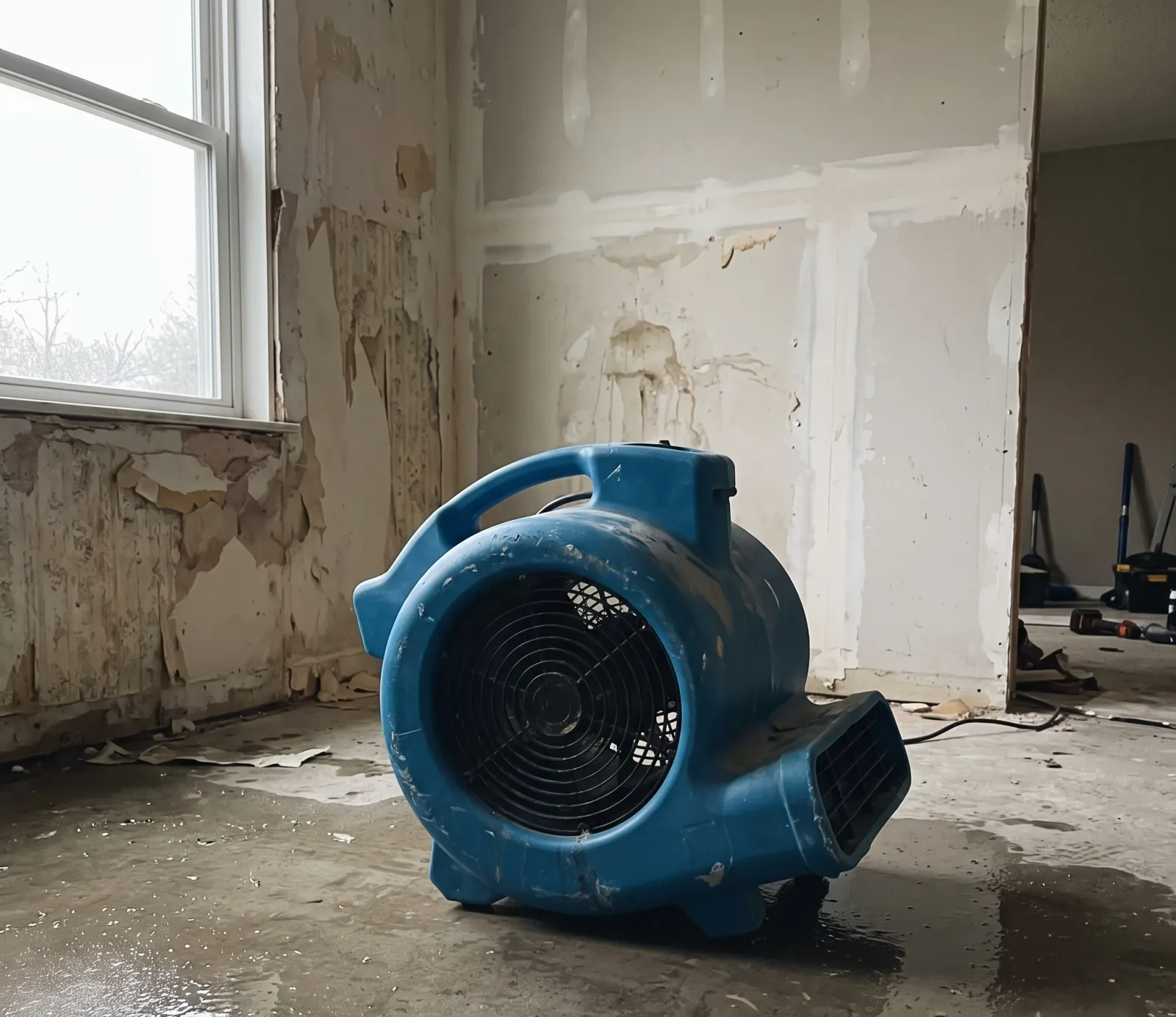
When Standing Water Raises Safety Concerns
Centennial's regional weather includes heavy rain and hail, but that does not mean every property faces the same water exposure. The city's floodplain map supports address-level checks; use the property location and observed conditions, not a broad area label, to discuss scope.
A map reference such as Park Meadows Retail Resort, South Platte Historical Park, or Broomfield County Commons cannot establish what happened inside a Centennial property. Local weather and waterways make the service relevant, while the address and affected materials determine what removal and follow-up may be needed.
Addresses across Centennial and Arapahoe may use mailing labels that do not match the jurisdiction shown on a local map. For a clear availability check, share the property’s full street address with the pros we connect you with; the ZIP by itself is not enough to confirm service.
Where the Work Begins
- REMOVAL
- Extraction clears accessible pooled water from affected areas; the visible surface may not show moisture below it.
- REMAINDER
- After standing water is removed, moisture may remain within flooring, walls, or subfloor materials.
- CHECKS
- Assessment can help identify damp materials that may need drying beyond the initial removal work.
- DRYING
- A written estimate can distinguish water removal from separate assessment, drying, and repair work.
- SCOPE
- Subfloor water extraction removes accessible standing water; ask the provider whether moisture checks and any needed drying are included as separate work in the written scope.
- Moisture Check
- Centennial's regional weather includes snow, freeze conditions, heavy rain, and hail. Seasonal conditions can affect when water enters a property, but they do not predict moisture inside a particular home. Use the address and observed affected areas to set the removal and follow-up scope.
- WORK SCOPE
- an estimated $800–$2,400
Signs of an Active Water Source
Drying is often grouped with water extraction because both can appear in a cleanup proposal. They describe different work: extraction removes accessible standing water, while drying may address moisture left in materials afterward. Read the estimate line by line: standing water removal describes taking pooled water out, while assessment and drying describe possible follow-up work for moisture left in materials. In Centennial, ask that each included area and each proposed phase be identified in writing.
What Shapes the Extraction Work
The pros we connect you with first review the affected areas and clarify the water removal scope. For accessible standing water, extraction may use pumps or wet vacuums. The estimate should identify the rooms or areas included and distinguish water removal from any later work.
Once pooled water is removed, the provider may assess materials for remaining moisture and propose drying as a separate step. In Centennial, ask which areas were checked, what the findings mean for the scope, and whether the written record notes unresolved concerns. Source repairs and rebuilding are separate work.
Keep a note of which rooms and materials are affected to describe the work needed. A contained pool may be handled in one visit; water across rooms or damp materials needing assessment and drying can call for a staged plan. Ask what the estimate includes and what comes after extraction.
HOW WATER EXTRACTION DIFFERS FROM FOLLOW-UP DRYING
| What Comes Next |
Common Starting Point |
|---|
| Accumulated water ready for removal | Standing-water removal |
| Fresh pooling follows an earlier extraction | separate source repairs |
| Standing water spread across several rooms | Extraction with drying equipment |
Claim RecordsColorado regulates plumbers and plumbing contractors through the State Plumbing Board; that does not establish a state license for water extraction. Ask for an invoice that identifies the work performed, affected areas, and any separate proposed work. Confirm address-specific requirements with the relevant local jurisdiction if repairs are involved.
When Drying Equipment May Be Needed
When water stays in a subfloor or flooring after visible pooling is removed, the material can remain damp and deteriorate. A surface that feels dry may conceal the issue. Cleanup may then require more assessment and drying, with repair or replacement considered separately according to what the affected materials show.
Keep Water From Spreading
At a Centennial address, whether by Park Meadows Retail Resort or Historic Charles Muegge House, you can read the provider’s written scope and note which rooms or materials it covers. Keep children and pets away from wet flooring and equipment during cleanup. Do not wade through water near outlets or appliances; when power safety is uncertain, stay out and get qualified help.
Where Extraction Work Ends
Water can affect nearby trim as well as floor covering, so note both in the written scope. In Centennial, extraction removes pooled water; it does not show that flooring or the layers below are dry. That is the water extraction vs. drying distinction. Keep photos and receipts with repair records to document the affected area. Ask the pros we connect you with to identify each part in writing.
Learn How Extraction Work Is Scoped
The amount of pooled water, reach of the affected space, access conditions, and needed equipment shape the cost; request a written estimate from the pros we connect you with.A musty odor or damp feeling after visible water is gone can signal moisture remains in flooring or walls, even when the puddle itself no longer shows how far it traveled. Any guide here describes extraction; drying, source repair, sewage cleanup, mold work, and rebuilding are separate. Ask for written details to confirm visit charges and the exact scope.Compare full price ranges through pricing guide; find urgent standing-water removal details at Subfloor Water Extraction.