Healthcare Facility Water Extraction
Healthcare Water Removal
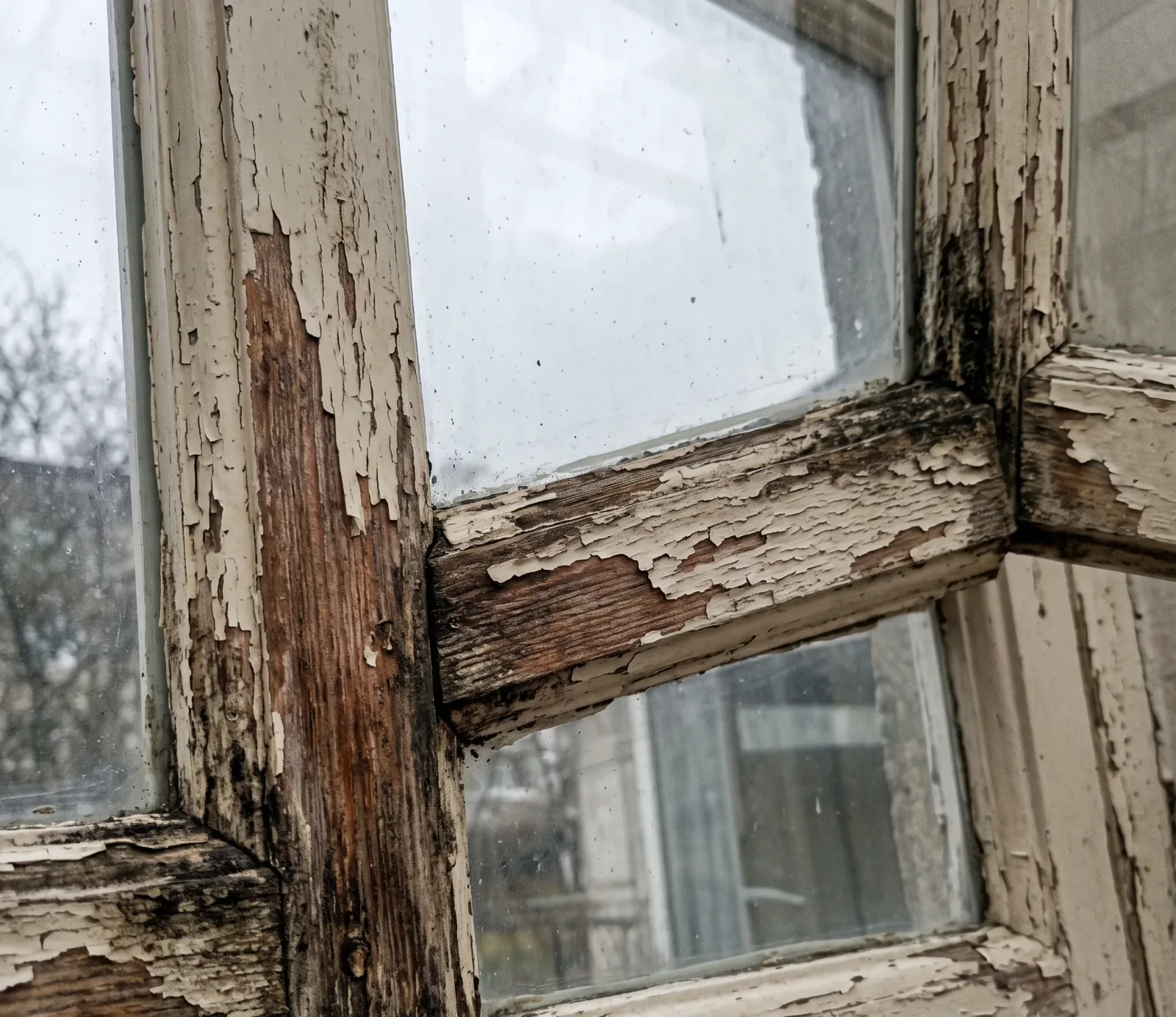
Coordinate suite access, shared routes, and tenant operations during urgent water removal in Centennial offices.
Office water extraction costs depend on how many suites and shared areas are affected, site access, and tenant downtime. Before arranging emergency water extraction in Centennial, map wet rooms, list access contacts and safety limits, and note operating constraints so the pros we connect you with can coordinate the work.
Cost moves with the footprint of the water, the number of suites and shared areas involved, and how access or tenant schedules shape the work. In Centennial, a clear first call starts with a simple map: mark each affected office, hallway, elevator lobby, and building service area. Note where water is visible and where it may have traveled, without entering an unsafe space. That gives the pros we connect you with a useful starting point and helps keep one wet suite from becoming a building-wide guess.
A portfolio can cross mailing labels and local boundaries. You might manage a Centennial office alongside addresses in the Englewood mailing area or Littleton mailing area; those labels alone do not settle which jurisdiction applies. Check the specific property address and identify who handles building access, tenant notices, and any site rules. Putting that information in one place can prevent a dispatch from arriving at a locked entrance or a suite where no one has authority to let the pros we connect you with inside.
Describe what people actually see: water at a doorway, damp carpet beyond the visible edge, or pooling in a shared corridor. Include when it was first noticed and whether the water is still coming in, if known. This helps separate the immediate removal area from questions that need another trade or decision-maker. Office water extraction removes standing water from affected areas; it does not, by itself, establish that floors and other materials are dry or ready for normal use.
Before anyone approaches pooled water, make safety the first coordination point. If outlets, equipment, or wiring may be wet, keep tenants and staff out of the affected area and get qualified guidance about electrical safety. Do not send a janitorial worker or tenant to test the space by walking through it. In Centennial, name a contact who can secure the entrance and relay updates. Clear boundaries protect people and give the pros we connect you with room to assess how to proceed.
Access details can determine how quickly work can start and how much disruption it causes. Tell the provider which entrance is available, whether someone must escort visitors, and which suites require tenant approval. Flag quiet rooms, sensitive work areas, or times when doors cannot remain open. A commercial tenant water emergency may affect several decision-makers at once; one property contact should gather responses and pass on a single, current access plan instead of leaving each tenant to coordinate independently.
| Affected area | Access needs | Operating limits |
|---|---|---|
| Affected areas | List wet suites, corridors, and common rooms | Mark where water is visible or reported |
| Affected suites | Name each suite contact and entry method | Flag locked doors and restricted areas |
| Shared routes | Note lobbies, elevators, and connecting halls | Identify routes tenants need kept clear |
| Safety limits | Mark areas no one should enter | Report wet outlets or equipment before entry |
| Work hours | Record busy periods and quiet-room needs | Set access windows with tenant contacts |
| Building systems | Point out nearby equipment and service rooms | Confirm who can authorize restricted access |
| Work updates | Choose one contact to relay changes | Share suite status with affected tenants |
| Cost factors | Scope depends on water, materials, and access | Compare affected areas and operating constraints |
Office buildings rarely have one uninterrupted work area. A wet corridor can serve occupied suites, while a conference room or reception area may need to stay open for scheduled visitors. Identify the route people use, then discuss whether work can be staged by area and what temporary limits tenants should expect. The goal is to keep people away from the work zone while giving the provider a workable path to the pooled water. Do not promise that a room will reopen until its condition has been checked.
Think through operations before setting an arrival window. Ask tenants which meetings, deliveries, or essential functions cannot be moved, and identify any shared rooms that support several offices. Then tell the pros we connect you with what can shift and what cannot. That context lets you discuss practical timing and occupant notices together. In Centennial, a short pause in one suite may be manageable; an interruption at a shared entrance or service area can affect the whole building.
Some buildings need separate approval for after-hours access, security escorts, or equipment movement through common areas. Confirm those rules with the people who control the property before work is scheduled. If a loading route or elevator must be reserved, include that in the plan instead of discovering it when equipment arrives. These details do not change what extraction does, but they can change the time and coordination the job requires, which can affect the cost.
Leases may divide responsibility for a tenant suite, a shared corridor, and the building systems that serve both. Review the relevant terms and ask the appropriate property or tenant contact who can authorize entry and decisions in each area. An inspector, insurer, or lease representative may ask what happened and which spaces were affected. Set expectations early about who will respond to those requests, so operational coordination does not stall while people try to determine who speaks for the property.
Keep the work discussion focused on the agreed removal area and any limits that affect access. If the source is still active, arrange separate attention for that issue; extraction does not repair a leak. Identify any contents or finishes that need protection before removal so the licensed pros we connect you with can account for them in the agreed scope. Clear boundaries help property managers explain what is underway to tenants, insurers, or inspectors without implying that every related repair is part of the same job.
After visible water is removed, damp materials can remain, and drying may need to be planned separately. Decide who will coordinate that next step and how tenant access will work if equipment is placed in an office or shared area. Do not treat a quiet pump or a dry-looking carpet as proof that a suite is ready to reopen. In Centennial, agree on who gives tenants the next update and what conditions must be addressed before normal use resumes.
A handoff matters when responsibility changes between building staff, tenants, and outside providers. Identify who will receive updates during removal, who can answer questions about suite access, and who will relay any findings that affect neighboring spaces. If the affected area grows, update the map and notify the contacts tied to those rooms. This keeps a tenant from hearing one plan from the property manager and another from a colleague who has not seen the changed work area.
If you oversee more than one property, use the same intake routine without assuming each site has the same rules. An office near Highlands Ranch Library, for example, may have different access contacts and tenant constraints from a Centennial building. Confirm each address, decision-maker, entry route, and operating limit on its own. Local names help orient the call, but the property details determine who needs notice and how the extraction work can be coordinated.
Before you speak with a service provider, gather the affected suite list, shared-area map, access contacts, safety restrictions, and operational constraints. Ask what area the proposed removal covers, how tenant access will be managed, and what decisions remain outside extraction. The pros we connect you with can use those answers to discuss a workable plan. If a property sits in a mapped floodplain, Centennial provides a floodplain map for property-specific checks; a mailing city or ZIP alone cannot answer that question.
The cost of coordinating office water extraction shifts with how many suites and shared areas are involved, how access is arranged, and whether work must fit around occupied operations. In Centennial, start with a floor plan and mark where water is visible, which doors need tenant or building staff access, and what work must continue nearby. A portfolio that also includes Park Meadows Retail Resort or Interlocken Business Park needs a separate contact and access plan for each address. That gives the pros we connect you with a practical starting point for sequencing the work.
To find out whether your property is within reach for urgent water removal, review the communities served for this kind of work, includingLittleton, Aurora and Fitzsimons District. Before scheduling, ask whether a visit or travel charge applies, and request a written estimate separating water removal from any later drying work.
For a commercial site, the estimate usually reflects each visit, the size of the area needing water removal, and how often service is required. Treat $700–$1,400 as a guide: water volume, room access, and requested moisture checks or drying all affect the written scope.Water near electrical equipment or machinery can affect how removal is approached, so mention nearby hazards and sensitive contents when discussing the work with the licensed pros we connect you with. When you call, describe the space, standing water, access limits, and any active water source so the pros we connect you with can provide a written estimate.Full ranges are listed in the pricing guide; the commercial overview describes urgent water removal and possible follow-up for moisture left behind.
Healthcare Water Removal
School Water Extraction
Restaurant Water Removal
Give the pros we connect you with a suite-by-suite map, then mark shared corridors, elevators, restrooms, and any rooms where water is visible. Identify a contact who can open each affected space and someone who can make building-wide decisions. In Centennial, confirm the street address and jurisdiction when dispatching; an Englewood mailing label can cover more than one jurisdiction. Keep tenant representatives informed about access limits and expected interruptions.
Name the areas that must stay open, the times tenants can provide access, and any equipment or business functions that cannot be moved. The provider can discuss a sequence that keeps unaffected suites available where conditions allow. If a work area shares a corridor or entrance with active offices, plan who will direct people around it. Tell each tenant what access they need to provide and whom to contact with changes.
Assign one building contact to gather updates from suite representatives and relay changes to the provider. Keep the affected-area map current as work moves between rooms, and note when a tenant cannot provide access or an operating constraint changes the sequence. For a Centennial property with several occupants, a single point of contact reduces conflicting instructions and helps staff know which spaces are available for use.
Ask the provider to explain which spaces are included in the immediate removal work and which conditions would change the plan. Water extraction addresses pooled water; a separate drying step may be needed afterward. Keep tenants out of areas with standing water if electrical safety is uncertain, and wait for qualified guidance before allowing access. Make sure building staff know who can authorize changes to the work area.
Share the affected-suite map, access contacts, and operating limits with the pros we connect you with before they arrive.
Call (303) 647-3932