Can Extraction Save Wet Furniture?
Can water extraction help save furniture? It can remove pooled water from a room, which may limit how long a sofa, table, or cabinet sits in standing water. That does not guarantee the piece can be kept. In Centennial, the outcome depends on how long it was wet, how deeply water reached it, and what it is made of. The pros we connect you with can consider those details and whether the item needs its own evaluation.
The first clues are often visible: swollen edges, a musty smell, damp cushions, or a finish that has turned cloudy. Those signs point to water reaching parts of the furniture that a surface wipe cannot address. Water extraction furniture work concerns the standing water around the item; it does not determine whether the frame, padding, or finish can be restored. Near Park Meadows Retail Resort, keep affected pieces out of use while you ask what should be evaluated on its own.
How Furniture Materials Respond
Upholstery can hide more water than the fabric suggests. A cushion may feel only slightly damp while its inner fill remains wet, and a saturated piece can take longer to address than a hard surface. In a Centennial home, tell the professional whether cushions detach and whether the furniture has delicate fabric or trim. That description helps frame what needs inspection; it does not settle whether cleaning or restoration is suitable.
Wood furniture reacts differently. A solid wood leg, a veneered panel, and a glued joint do not respond alike when water reaches them; swelling, lifted veneer, or a loose connection can change the repair outlook. If a cabinet near Fitzsimons Innovation Community shows a new gap or warped edge, point it out during the review. A calm-looking outer surface can still conceal a problem at a seam or underneath.
Exposure and Handling Matter
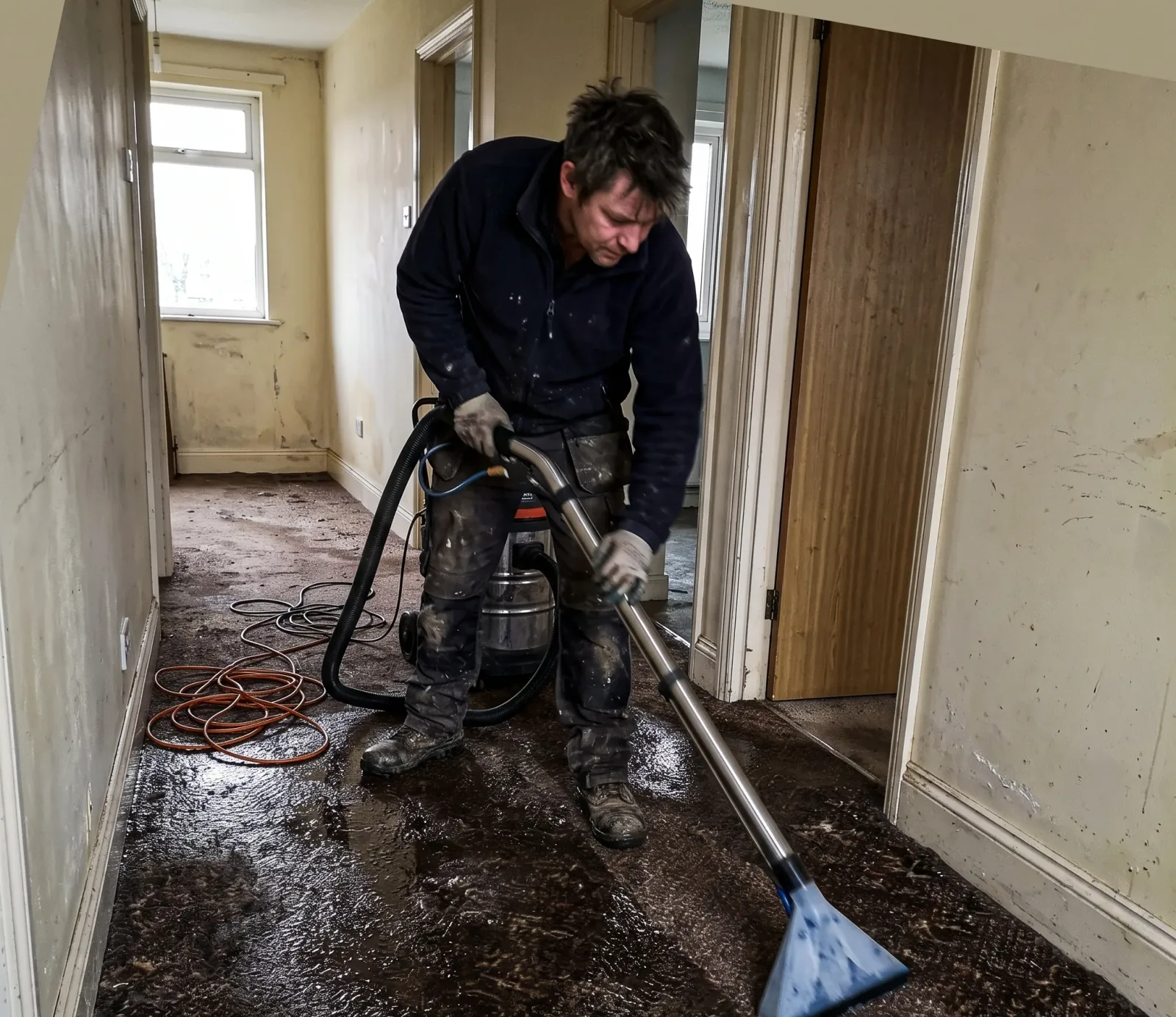
The source and length of exposure matter alongside material. A brief splash on a table is a different situation from a sofa standing in pooled water while an intrusion continues. Moisture may reach cushion fill and frame joints before the outer fabric shows a change. The visible water can be removed with pumps or wet vacuums, but extraction alone does not establish that the furniture or room is dry.
Furniture also has practical handling limits. A heavy sectional, a glass-topped table, or a piece with a weakened joint may be unsafe to use or handle casually once wet. Near Miners Memorial Museum, as elsewhere in Centennial, leave affected items out of service and ask the professional how each piece should be approached. Avoid sitting on a damp cushion or loading a cabinet whose base appears distorted; extra pressure can worsen an already weakened component.
Ask About the Furniture Separately
A building drying plan and a furniture decision are related, but they answer different questions. After standing water is removed, moisture checks may show whether nearby flooring or other materials still need drying equipment. That reading does not tell you whether a sofa’s fabric can be cleaned or a table’s finish repaired. In Centennial, ask the pros we connect you with to explain which observations concern the room and which concern the furniture itself.
Before the visit ends, ask what signs make a piece a reasonable candidate to keep, what would call for a furniture specialist, and whether the next step is an inspection or a repair estimate. Keep affected items out of use until you have that guidance. If you are in Centennial, a clear account of what got wet and what changed helps the professional address the actual piece, rather than guess from the room alone.
Dealing with standing water at your home?
Cost depends on water depth, spread, and room access, so get an estimate before work starts. Centennial basements and ground-floor businesses need standing water removed; pumps or wet vacuums do that work. For an address in the Englewood or Littleton mailing area, verify jurisdiction and service coverage directly. Call (303) 647-3932 to ask about availability, timing, and visit charges. Clarify whether the estimate covers extraction only: remaining moisture may need drying, while source repair, remediation, or rebuilding are separate scopes. Water can remain beneath flooring after standing water is removed.